Building an audience online is easier when you have a platform you control. Social networks can help people discover your business, but your website should usually serve as the central place where visitors can learn about your expertise, explore your services, subscribe for updates, and take meaningful action.
A strong online platform in 2026 is more than a blog. It combines your website, useful content, search visibility, email audience, analytics, and the channels you use to distribute your expertise.
WordPress remains one of the most flexible ways to build that foundation, but choosing a platform is only the beginning. To grow an audience consistently, you also need a clear content strategy, strong SEO, useful website architecture, reliable measurement, and a plan for turning visitors into subscribers, leads, or customers.
Here is how to build your online platform and develop an audience that supports your long-term marketing goals.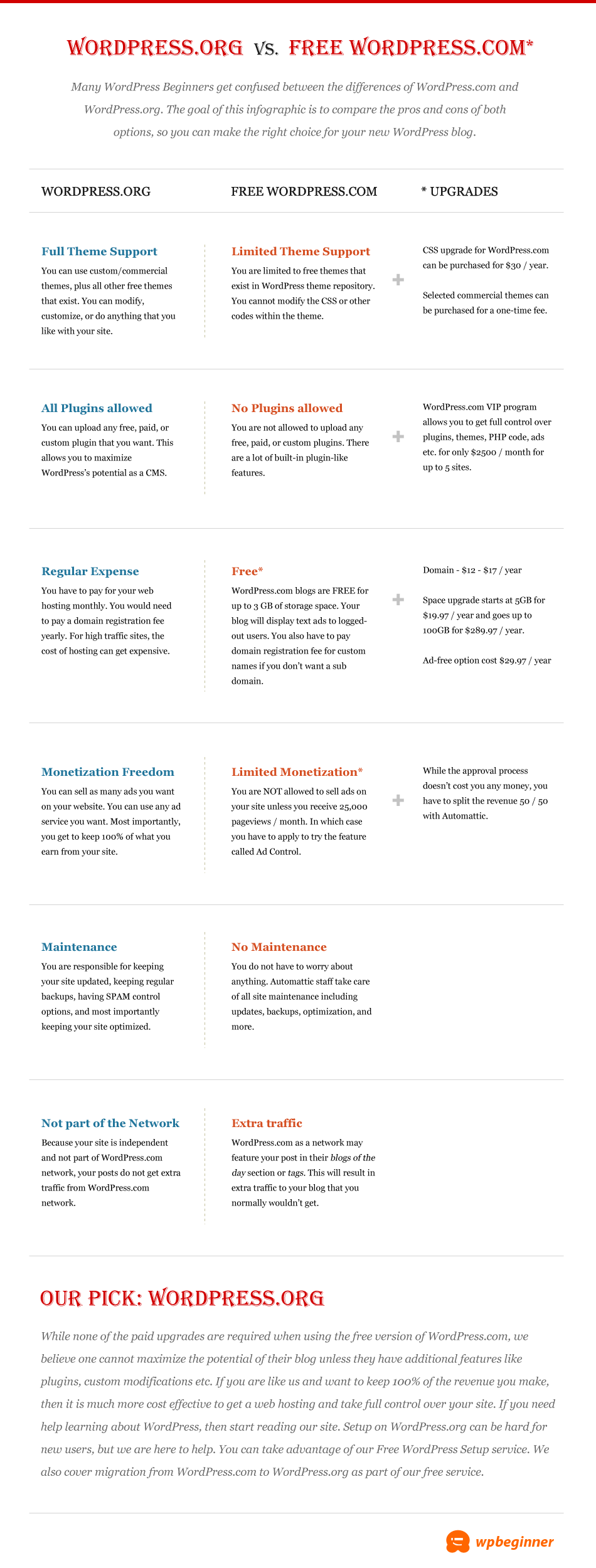
What Does It Mean to Build an Online Platform?
An online platform is the digital foundation you use to publish content, demonstrate expertise, attract an audience, and create business opportunities.
For many organizations, the website sits at the center of that platform. Social channels, search engines, email campaigns, paid advertising, and other marketing channels can bring people to the website, but the site is where you have greater control over the experience.
Unlike a social media profile, your website is not entirely dependent on another company’s feed algorithm, interface, or content policies. You control your pages, navigation, calls to action, content library, and how visitors move through the customer journey.
That makes your website an important long-term marketing asset rather than simply an online brochure.
Why Your Website Should Be the Foundation
Social media platforms are valuable for audience discovery and conversation, but relying entirely on them creates risk.
Algorithms change. Organic reach can decline. Features disappear. Accounts can be restricted. A platform that is important today may become much less relevant several years from now.
Your website gives your business a more stable foundation.
It can help you publish evergreen resources, rank for relevant searches, build email subscriptions, showcase products or services, collect leads, support paid campaigns, and create a growing library of expertise.
A website also gives other marketing channels somewhere useful to send people. Instead of simply accumulating followers, you can move interested audiences toward content and offers that support measurable objectives.
This is why a broader digital marketing strategy should connect search, content, social media, paid advertising, and conversion rather than treating each channel separately.
Choose the Right Website Platform
WordPress remains a popular option because it can support everything from a simple blog to a large business website or ecommerce store.
However, one of the most common sources of confusion is the difference between WordPress.com and self-hosted WordPress.
Both use WordPress software, but the hosting arrangement and level of management differ.
| Consideration | WordPress.com | Self-Hosted WordPress |
| Hosting | Managed hosting is included | You select a hosting provider |
| Technical maintenance | Much of it is managed | Depends on your host and setup |
| Plugins | Available on paid plans | Broad plugin flexibility |
| Themes | Built-in and custom options depending on plan | Broad custom-theme flexibility |
| Server-level control | More managed environment | Greater control depending on host |
| Support | WordPress.com support available | Usually depends on hosting provider |
| Best suited for | Users who want more managed hosting | Users wanting greater hosting and technical control |
The right choice depends on what you are building.
A business that wants a managed environment may prefer WordPress.com. Another organization may want self-hosted WordPress because it needs greater control over hosting, development, integrations, or technical configuration.
The important point is that old comparisons suggesting WordPress.com cannot use plugins or custom functionality are no longer accurate. Evaluate the current features, costs, management requirements, and level of control before choosing.
Choose a Domain That Can Grow With Your Brand
Your domain should be easy to remember, straightforward to type, and closely connected to your company or brand.
Avoid making the domain unnecessarily complicated with excessive keywords, numbers, or hyphens simply because you think they will help SEO.
A strong brandable domain is generally more valuable over time.
Once the domain is selected, make sure the site uses HTTPS and establish one preferred canonical version so different versions of the same URL do not create unnecessary duplication.
You should also think ahead. A domain built around one very narrow product or temporary campaign may become limiting if the business expands into additional services later.
Create the Essential Website Pages
Do not wait until you have dozens of blog posts before launching a website.
There is no SEO rule requiring 20 or 30 posts before a site can go live.
Instead, focus on making sure visitors can understand who you are, what you provide, and how to take the next step.
Most business websites should begin with strong core pages such as a homepage, About page, contact information, key product or service pages, privacy information, and a blog or resource section where useful content can grow over time.
Your exact page structure should match the business.
A local service company may need individual service and location pages. An ecommerce business will require category and product content. A professional services firm may need detailed service pages, case studies, team profiles, and educational resources.
The goal is not to create pages simply to make the website appear larger. Every important page should have a clear purpose.
Understand Your Audience Before Creating Content
A successful content strategy begins with understanding who you want to reach.
Consider your audience’s problems, goals, level of knowledge, buying concerns, and the language they use when describing their needs.
Developing a useful buyer persona can help connect your content ideas with real customer questions rather than internal assumptions.
For example, a marketing agency might know a great deal about technical SEO, but potential clients may initially search for questions such as why their traffic dropped, why their pages are not appearing in Google, or whether they need an SEO audit.
Those questions can become valuable entry points into deeper expertise.
Build a Content Strategy Around Real Problems
Publishing random blog posts makes it difficult to build authority around any particular subject.
Instead, identify several topics closely connected to what your organization knows and what your target audience needs.
Then build related content around those themes.
For example, a digital marketing company might develop a content cluster around SEO containing resources about technical audits, keyword research, internal linking, content optimization, local SEO, AI search, and measurement.
Those pages should support one another through contextual internal links.
This type of structure creates a stronger user journey and can help search engines understand how different pages relate to one another.
A well-planned content marketing strategy should therefore consider both individual articles and how those articles contribute to the larger website.
Create Content That Deserves an Audience
More content does not automatically mean more visibility.
Search engines and users already have enormous amounts of information available to them. Publishing another generic summary of what has already been said gives people little reason to choose your page.
Look for opportunities to add something distinctive.
That could include firsthand experience, original examples, industry observations, internal data, case studies, comparisons, expert commentary, screenshots, processes, or lessons learned through actual client work.
Useful content should also answer the main question efficiently.
Long introductions that delay the answer can frustrate visitors. Give readers what they came for, then provide the additional context necessary to understand or act on that information.
The right article length depends on the topic. Some questions can be answered thoroughly in several hundred words, while complex guides may need significantly more depth. The distinction between short-form and long-form content should be driven by audience needs rather than arbitrary word-count targets.
Optimize Your Website for Search
Search engine optimization helps the right people discover your website when they are actively looking for information, products, or services.
Start by matching each important page with a clear search intent.
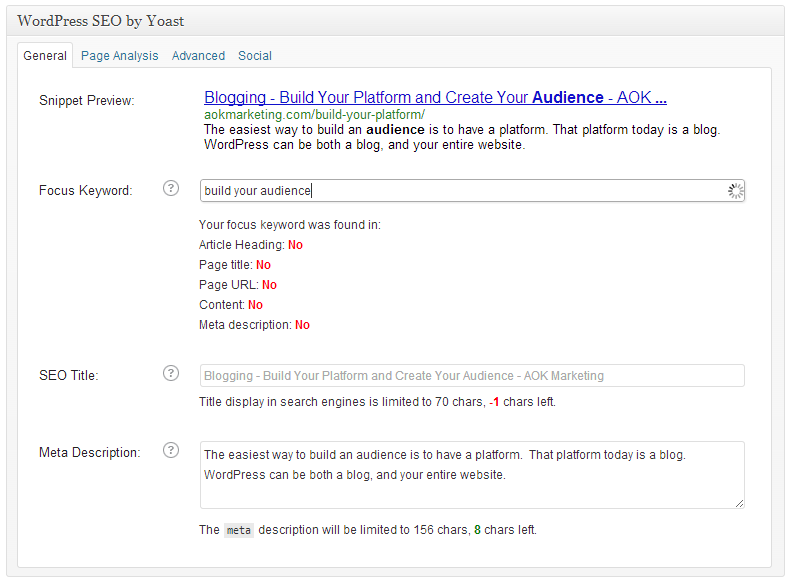
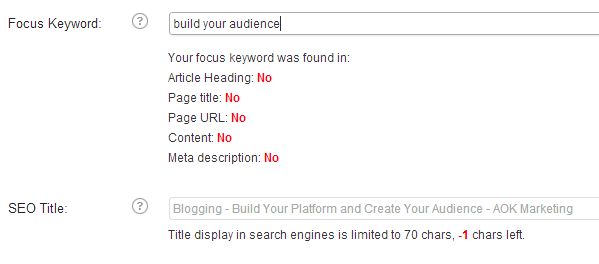
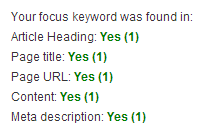
Use descriptive page titles, logical headings, concise URLs, useful meta descriptions, relevant internal links, and meaningful image alt text.
Keywords remain useful because they help describe the language people use when searching. However, modern SEO is not about inserting an exact phrase as many times as possible.
Your page should comprehensively cover the subject using natural terminology, relevant entities, examples, and supporting information.
Internal links also deserve attention. When one article naturally expands on another subject, connect the two with descriptive anchor text. This helps readers discover more useful information while strengthening relationships between related pages.
Understanding how SEO works and how long results can take can also help establish realistic expectations. Search visibility generally grows through sustained improvements rather than overnight changes.
Optimize Content for AI Search and Answer Engines
Search behavior is becoming more diverse.
People can discover information through traditional search results, AI-powered search experiences, assistants, social platforms, and other recommendation systems.
That does not mean creating separate unnatural content for every system.
Instead, focus on making your expertise easy to understand.
Use clear headings, direct answers, identifiable entities, reliable facts, useful supporting sources, and well-structured explanations. When discussing technical subjects, define important terminology instead of assuming every reader has the same level of knowledge.
Firsthand experience is especially valuable because it gives your content something generic summaries cannot easily reproduce.
A business trying to improve visibility across search and AI experiences should think about both traditional SEO and emerging approaches to generative engine optimization rather than treating them as entirely separate disciplines.
Build Internal Links as Your Content Library Grows
Internal linking becomes increasingly important as a website expands.
New articles should link to relevant older resources, but the process should also work in reverse. When you publish a valuable new guide, review established pages and identify places where they can naturally link to it.
Avoid linking every possible keyword to another page.
Links should exist because they make the user journey better.
A strong internal-link structure can help search engines discover pages, communicate topical relationships, and direct authority toward important resources.
It also prevents valuable older articles from becoming isolated as newer content is added.
Grow Your Audience Beyond Google Search
Organic search can become an important source of traffic, but it should not be your only method of audience development.
Promote useful content through channels where your audience already spends time.
For a B2B business, that may include LinkedIn and email. A consumer brand may gain more value from visual or video platforms. Some organizations can benefit from industry communities, digital PR, partnerships, webinars, podcasts, or paid distribution.
The objective is not to maintain a presence everywhere.
Choose the channels that connect most naturally with your audience and content.
Strong articles can also be repurposed rather than forgotten after publication. One detailed guide could become several social posts, a newsletter discussion, a short video, a presentation, or supporting sales material.
Strategic social posts can increase website traffic when they provide a genuine reason for people to continue to the website.
Build an Email Audience You Can Reach Directly
An email list is one of the most valuable additions to an owned online platform.
Someone who chooses to subscribe has already demonstrated interest in your organization or expertise. Email allows you to reconnect without depending entirely on search rankings or social algorithms.
Give readers a legitimate reason to subscribe.
That might include valuable updates, practical guidance, exclusive research, useful resources, event information, product updates, or offers relevant to their interests.
Avoid treating the email list simply as another channel for constant promotion.
Useful communication builds familiarity and trust over time.
Set Up Google Search Console
Google Search Console should be part of the basic setup for any website that depends on organic search.
Search Console can help you understand how your website appears in Google Search, including the queries generating impressions and clicks.
It can also help identify indexing problems and provide information about how Google discovers and processes your pages.
Use Search Console to identify:
pages losing or gaining organic visibility, queries with high impressions but low click-through rates, indexing problems, new keyword opportunities, and established pages that may benefit from refreshing.
This type of data can guide future content decisions much more effectively than guessing what your audience might search for.
Use GA4 to Understand What Visitors Do
Google Search Console tells you about performance within Google Search, while Google Analytics 4 helps you understand what happens after visitors reach your site.
GA4 can provide insight into traffic sources, user engagement, events, important actions, and conversions depending on how your measurement is configured.
Do not monitor analytics simply to watch visitor numbers increase.
Tie measurement to business objectives.
If your website exists to generate consultations, leads, subscriptions, sales, or bookings, configure measurement around those meaningful actions.
Traffic is useful, but traffic that never contributes to an objective may not be the right audience.
Measure Audience Quality, Not Just Audience Size
A large audience can look impressive while producing very little business value.
Instead of concentrating entirely on pageviews or follower counts, ask whether the audience is relevant.
Useful metrics might include organic clicks from target queries, email subscribers, qualified inquiries, booked consultations, purchases, returning visitors, engagement with high-value pages, and conversion rates.
Your priorities will depend on the organization’s business model.
This is why measurement should begin with goals rather than dashboards.
Decide what success means first, then identify the data that helps you evaluate progress.
Keep Updating Your Platform
An online platform is never completely finished.
Content becomes outdated. Competitors publish better resources. Products change. Search behavior evolves. Links break. New services are introduced, and old ones disappear.
Regularly review your strongest and most important content.
Some articles may need factual updates. Others might benefit from deeper examples, improved internal links, stronger visuals, or better calls to action.
Weak pages that substantially overlap with stronger pages may need to be consolidated rather than continuously refreshed independently.
Understanding the half-life of content can help you recognize that even successful resources need maintenance.
Your website should improve as your business knowledge grows.
Frequently Asked Questions
What is an online platform?
An online platform is the collection of digital assets and channels a business uses to publish information, reach audiences, and generate opportunities. A website usually serves as the foundation, supported by content, SEO, email, social media, analytics, and other distribution channels.
Do I need WordPress to build an online audience?
No. WordPress is one popular website platform, but audience growth depends more on creating useful content, reaching the right people, providing a strong user experience, and consistently improving your marketing. Choose technology that supports your goals and available resources.
Is WordPress.com or self-hosted WordPress better?
Neither option is automatically better for everyone. WordPress.com provides managed hosting and offers different feature levels through its plans. Self-hosted WordPress gives you greater responsibility and flexibility over hosting and technical configuration. The right choice depends on your budget, technical needs, desired control, and maintenance resources.
How much content should a new website have before launching?
There is no required number of blog posts before launching. A new website should have enough useful content for visitors to understand the business, its products or services, and how to take action. Additional content can then be added strategically as the site develops.
How long does it take to build an online audience?
Audience growth depends on competition, existing brand awareness, content quality, search demand, promotion, budget, and consistency. Some channels can generate attention quickly, while organic search and authority building typically require sustained effort. Focus on growing a relevant audience rather than reaching an arbitrary follower or traffic target.
Build a Platform You Can Improve Over Time
Building an online audience is not about finding one platform or tactic that guarantees attention.
Your strongest foundation is a digital presence that you can develop over time: a useful website, clear positioning, valuable content, search visibility, an email audience, relevant distribution channels, and reliable measurement.
Start by creating a website that clearly communicates what you do and who you help. Publish content that solves genuine problems. Optimize it so people can discover it. Promote it where the right audience is active, and use data to understand what actually contributes to business results.
Most importantly, treat the platform as a long-term asset rather than a one-time website project.
The tools and channels will continue to change. A business that owns useful content, understands its audience, measures performance, and continually improves its website is much better positioned to adapt when they do.
About The Author