Last updated: October 2026 – Updated to reflect Sora’s discontinuation, with three free image-to-video alternatives and step-by-step tutorials.
Can ChatGPT turn an image into a video in 2026? Not directly through a built-in generative video tool. Following the discontinuation of OpenAI’s Sora video-generation product, ChatGPT no longer offers that dedicated image-to-video experience.
But that doesn’t mean you need expensive software to bring your photos to life.
Several AI tools still let you upload a photograph and transform it into a moving video, often with free access or limited free credits.
Whether you want to create a product advertisement, animate a landscape, make a short promotional clip, or experiment with AI-generated video, there are practical alternatives worth exploring.
In this guide, we’ll explain what happened to ChatGPT’s video-generation capabilities and show you three ways to turn images into videos for free using Canva, Kling AI, and CapCut.
Can ChatGPT Convert an Image Into a Video in 2026?
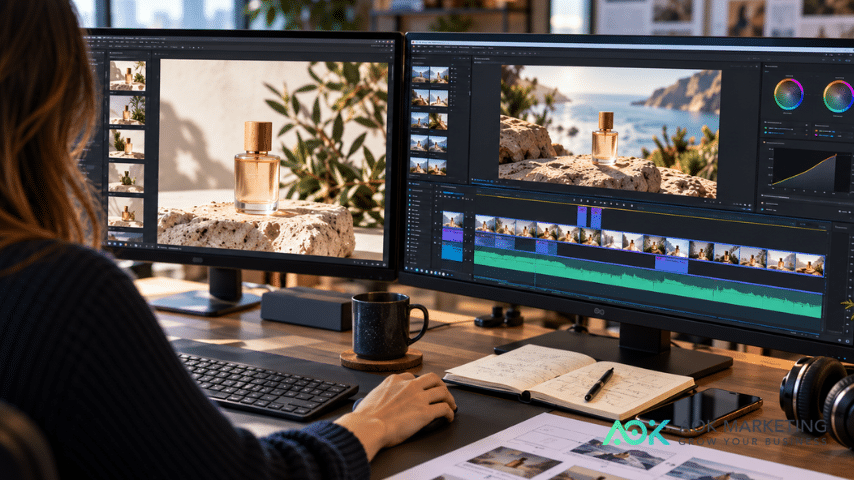
The short answer is that ChatGPT doesn’t currently provide the same built-in generative image-to-video experience previously available through Sora.
ChatGPT can still help you create and edit images, develop video concepts, write animation prompts, and plan social media videos.
In certain environments, it may also help generate simple animated clips using code. However, this is different from a dedicated AI video generator that creates new movement inside a photograph.
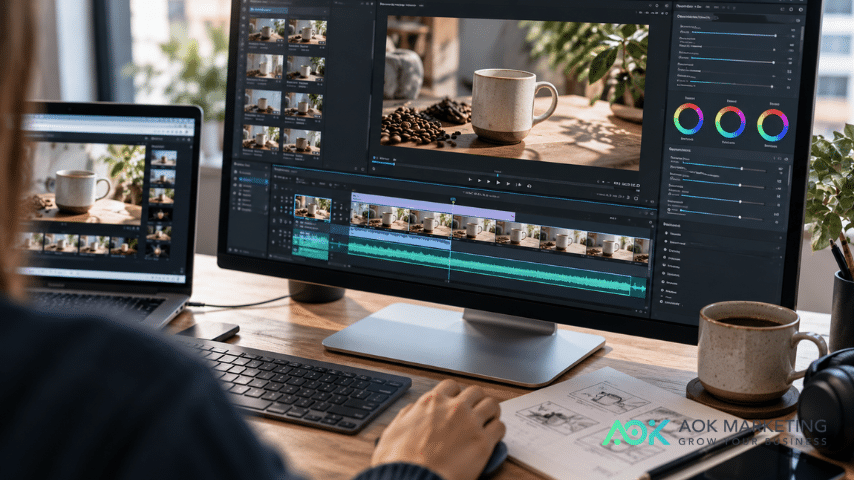
For example, ChatGPT might help you design an image of a coffee cup on a table.
But if you want the steam to rise naturally, the lighting to shift, and the camera to move around the scene, you’ll need a tool with generative video capabilities.
This distinction is important because older ChatGPT image-to-video tutorials may describe features that are no longer available.
What Happened to Sora?
Sora was OpenAI’s AI video-generation product, designed to create moving scenes from prompts and images.
It attracted attention because users could describe a scene, upload visual references, and generate video clips without traditional filming or animation software.
However, OpenAI discontinued the Sora web and app experiences on April 26, 2026. Its API was also discontinued on September 24, 2026.
According to OpenAI’s official Sora discontinuation announcement, the product is no longer available for new video generation.
For users who previously relied on Sora to animate images, the change means finding another tool for that part of the creative process.
Fortunately, you can still use ChatGPT to prepare image assets and prompts before moving to a separate AI video generator.
Three Free Ways to Turn Images Into Videos in 2026
You don’t need to be a professional video editor to experiment with image-to-video AI.
The following platforms offer free options, although some advanced features require paid plans.
| Tool | Best for | Free option | Main consideration |
|---|---|---|---|
| Canva | Beginners and marketing content | Limited free AI usage | Monthly allowances apply |
| Kling AI | Realistic generative animation | Free daily credits | Free videos include a watermark |
| CapCut | Social media videos and editing | Free image-to-video workflow | Some features or exports may vary by plan |
Let’s look at how each works.
1. Canva: Best for Beginners and Simple Image Animations
Canva is a popular design platform that includes AI-powered image-to-video tools.
It’s especially useful if you already create social media graphics, presentations, or branded marketing materials in Canva.
You can upload a photograph, select an animation approach, and generate a short clip without using complicated video-editing software.
Canva’s Image to Video feature is available on its Free plan, subject to the account’s monthly AI allowance.
How to Turn an Image Into a Video Using Canva
Step 1: Open Canva.
Visit Canva and sign in to your account. Start a new design or open an existing project.
Step 2: Upload your image.
Upload a photograph from your computer or select an eligible image from Canva’s media library.
For best results, use a high-resolution image with a clear subject.
Step 3: Select Image to Video.
Click the image, choose Edit, and locate Image to Video.
Depending on the options available, you can use an automatic animation setting or enter instructions describing the movement.
Step 4: Generate your video.
Let Canva create the animated clip.
Its current Image to Video feature produces five-second videos.
Step 5: Customize and download.
You can add text, music, transitions, and other design elements in Canva’s editor before downloading or sharing the result.
Example Canva Image-to-Video Prompt
“Animate this photograph of a ceramic coffee cup on a wooden table. Add a gentle camera push-in, subtle natural lighting movement, and a calm, cinematic atmosphere. Keep the cup and surrounding objects consistent. Use realistic movement suitable for a premium café advertisement.”
Why We Recommend Canva
Canva is a practical starting point for beginners because image generation, animation, design, and editing can happen within the same workspace.
For example, a small business could turn a static product photograph into a short promotional clip, add its logo and a call to action, and adapt the design for social media.
Best for: Small businesses, marketers, educators, and creators who want simple video content without learning advanced editing techniques.
Free-plan limitation: Canva provides a monthly AI allowance, so free video generation isn’t unlimited. Some other AI features are premium.
2. Kling AI: Best for Realistic Image-to-Video Animation
If you want more dramatic movement than a basic zoom or pan, Kling AI is worth exploring.
Kling AI specializes in generative video, allowing users to upload still images and describe how the subjects should move.
For example, you can animate a landscape with moving water, create camera motion around an object, or generate a short cinematic scene from a photograph.
Unlike a traditional slideshow, generative image-to-video AI attempts to create new frames showing natural movement.
Kling advertises free daily credits for image-to-video generation, with watermarks on free outputs.
How to Turn an Image Into a Video Using Kling AI
Step 1: Visit Kling AI.
Open the Kling AI website and create an account or sign in.
Step 2: Select Image to Video.
Navigate to its image-to-video creation feature.
Step 3: Upload your photograph.
Choose a clear, high-quality image. Product photographs, landscapes, illustrations, and lifestyle images can all serve as starting points.
Step 4: Describe the animation.
Write a prompt explaining exactly what should move.
You can describe camera movement, subject motion, environmental details, and the overall visual style.
Step 5: Generate and review.
Select an available generation setting within your credit allowance and create the video.
Review the output for visual consistency and natural movement.
Step 6: Download your video.
Export the result using the options available on your account.
Example Kling AI Image-to-Video Prompt
“Using the uploaded photograph of a peaceful mountain lake, create a realistic cinematic video. Gentle ripples move across the water, nearby tree branches sway subtly in the breeze, and soft clouds drift slowly across the sky. The camera moves forward very gradually. Preserve the original landscape, maintain natural lighting, and avoid introducing new objects.”
Why We Recommend Kling AI
Kling is useful when the objective is to make elements inside a photograph appear to move.
For example, a travel business might animate a resort photograph with gently moving water and foliage.
A product-focused business could experiment with subtle environmental motion to make an advertisement more visually engaging.
Best for: Cinematic animations, creative concepts, product visuals, and AI-generated social media clips.
Free-plan limitation: Daily credits restrict usage, and free generations contain watermarks. More advanced output settings may require payment.
3. CapCut: Best for Social Media Videos and Quick Editing
CapCut offers another accessible way to transform images into video content.
It’s particularly useful for creators who want to combine photos, video clips, text overlays, music, and transitions into short-form content.
CapCut’s web-based image-to-video workflow can help build videos from uploaded images, automatically arranging visual sequences and supporting editing features.
While Kling focuses more heavily on creating new movement within an image, CapCut is useful for turning existing visual assets into finished social media content.
How to Turn Images Into Videos Using CapCut
Step 1: Open CapCut.
Visit CapCut’s image-to-video AI page and access the available web editor.
Step 2: Select the AI video creation feature.
Open the Free AI Video Maker or image-to-video workflow.
Step 3: Upload your images.
Choose the photographs you want to include.
For example, a small retailer might upload several product photos to create a promotional video.
Step 4: Add a script or description.
Explain the story you want the video to tell.
CapCut can help arrange the images into a sequence, and some workflows support automatically generated scripts and voiceovers.
Step 5: Generate and customize.
Review the result and make adjustments using the editing tools.
You can change the pacing, add transitions, insert captions, or incorporate music.
Step 6: Export your video.
Choose the appropriate format and resolution, then download your finished video.
Example CapCut Video Prompt
“Create a 15-second promotional video using the uploaded product photographs. Begin with a clean introduction, transition smoothly between the product images, use subtle zoom and pan effects, and maintain a modern professional advertising style. Include space for a short headline and a final call to action. Format the video vertically for Instagram Reels and TikTok.”
Why We Recommend CapCut
CapCut works particularly well when you have several existing images and want to transform them into a complete video.
A small business could use product photographs, customer event images, or portfolio pictures to produce a short video without filming new footage.
Best for: Instagram Reels, TikTok, YouTube Shorts, product slideshows, and promotional video editing.
Free-plan limitation: CapCut advertises a free image-to-video workflow, but the availability of specific AI features, effects, and export options may differ by account or plan.
Which Free Image-to-Video Tool Should You Choose?
The best option depends on the type of movement you want to create.
If you’re new to AI video creation and already use graphic design tools, Canva is a convenient starting point.
If your goal is to make objects, water, clouds, or other elements move realistically, Kling AI is better suited to experimenting with generative motion.
If you want to combine several photographs into an edited social media video, CapCut is a practical choice.
You can also combine the tools.
For example, you could create a still image using ChatGPT, animate it with Kling AI, and use CapCut to add music, subtitles, and branding.
This approach lets you take advantage of each platform’s strengths without committing to an expensive video-production workflow.
Can You Still Use ChatGPT in Your Image-to-Video Workflow?
Absolutely. Even without Sora, ChatGPT can still play a useful role in video creation.
Instead of asking ChatGPT to generate the finished moving scene, use it to prepare your creative materials.
1. Create Your Starting Image
You can use ChatGPT Images to generate or refine a photograph, product mockup, or visual concept.
For example:
“Create a photorealistic promotional photograph of a reusable stainless steel water bottle on a wooden table overlooking a mountain landscape. Premium outdoor lifestyle photography, natural morning sunlight, realistic textures, and a clean 16:9 composition. No text, no logos, and no visible people.”
Once you’re happy with the image, export it and upload it to an image-to-video platform.
2. Develop Better Animation Prompts
ChatGPT can help turn a simple concept into a more detailed video-generation prompt.
Instead of writing “Make the water move,” you could ask ChatGPT to describe the camera movement, lighting, subject motion, and overall atmosphere.
A more detailed prompt could be:
“Animate the mountain lake with subtle water ripples, gently moving tree branches, and slowly drifting clouds. Keep the water bottle stationary and maintain consistent product proportions throughout the scene.”
This gives the video generator clearer instructions about the desired result.
3. Plan Social Media Content
ChatGPT can also help write video scripts, captions, calls to action, and storyboard ideas.
For example, you could ask it to develop three short video concepts for promoting the same product.
Each concept could use a different message while maintaining consistent branding.
This is particularly helpful for marketing teams testing different creative approaches.
4. Repurpose Existing Content
Businesses can also use ChatGPT to identify which existing marketing materials might work well as video content.
Blog articles, product photographs, case studies, and promotional graphics can all provide inspiration.
For additional ideas on using visual assets effectively, explore AOK Marketing’s guide to using visual content effectively.
Five Tips for Creating Better AI Image-to-Video Content
Creating a video from an image is relatively straightforward, but producing a convincing result requires attention to detail.
1. Start With a High-Quality Image
Low-resolution photographs can produce blurry or inconsistent results.
Use a sharp image with clear lighting and enough space around the main subject.
2. Describe Specific Movements
Avoid instructions such as “make this look amazing.”
Instead, describe what you want to happen.
For example:
“Slowly move the camera toward the product while the background foliage sways gently in the breeze.”
The more specific the instruction, the easier it is to evaluate whether the output matches your goal.
3. Keep the Movement Natural
Too many moving elements can make a video distracting or unrealistic.
For commercial content, subtle motion is often more effective than exaggerated effects.
4. Choose the Right Video Format
For YouTube and website content, a horizontal 16:9 format may be appropriate.
For Instagram Reels, TikTok, and YouTube Shorts, a vertical 9:16 format is typically more suitable.
Consider the intended platform before generating the video.
5. Review AI-Generated Details Carefully
AI video generators sometimes introduce visual distortions, inconsistent objects, or unnatural movement.
This is especially important when creating commercial content.
A product advertisement should not accidentally change the shape, design, label, or appearance of the item being sold.
Always review the final video before publishing.
Why AI Image-to-Video Tools Matter for Marketing
Video content gives businesses more opportunities to communicate visually with customers.
However, producing entirely new footage for every campaign isn’t always practical.
Image-to-video tools allow marketers to experiment with motion using creative assets they already have.
Repurpose Existing Product Photography
A business can transform still product images into short promotional clips, reducing the need to create entirely new visual concepts for every campaign.
Create More Social Media Content
An existing photograph can become the starting point for several creative variations, including short videos, animated product showcases, and event recaps.
Test Different Creative Approaches
Marketing teams can compare different visuals, captions, and messages to understand what resonates with their audience.
However, AI-generated video does not automatically improve engagement or conversions. Effective content still depends on the audience, message, offer, and overall campaign strategy.
Support a Consistent Brand Identity
Using established images, colours, and visual styles can help businesses maintain consistency across campaigns.
The goal is not simply to create more video content, but to create content that reinforces the brand’s message.
Frequently Asked Questions
Can ChatGPT turn images into videos in 2026?
ChatGPT no longer offers the Sora generative video experience. However, it can help create images, write animation prompts, and plan video content. To create AI-generated motion from a photograph, you can use an external image-to-video tool.
Why can’t I use Sora in ChatGPT anymore?
OpenAI discontinued the Sora web and app experiences on April 26, 2026. The Sora API was discontinued on September 24, 2026.
What is the best free alternative to Sora?
Canva, Kling AI, and CapCut are three accessible alternatives. Canva is beginner-friendly, Kling AI focuses on generative animation, and CapCut is useful for social media video production. Each has different features and free-use restrictions.
Is there a completely free AI image-to-video generator?
Some platforms offer free image-to-video creation. Canva provides limited free monthly AI usage, Kling AI offers daily credits with watermarked output, and CapCut advertises free image-to-video functionality. Free access is not necessarily unlimited.
Can I turn a photo into a video without paying?
Yes. You can use free tools to animate photos or turn images into short videos. Available features, export quality, watermarks, and usage limits vary by platform.
Can ChatGPT help me make videos for Instagram Reels or TikTok?
Yes. ChatGPT can help create the starting image, develop a storyboard, write captions, and prepare video-generation prompts. You can then use a video editor or AI image-to-video generator to produce the finished video.
Can AI-generated image-to-video content be used for advertising?
Commercial use depends on the tool’s terms and the rights associated with the uploaded images and generated output. Always review licensing requirements and ensure the video accurately represents the product or service being advertised.
Final Thoughts: You Can Still Turn Images Into Videos Without Sora
The discontinuation of Sora changed how people can create AI-generated videos through OpenAI’s tools, but it didn’t eliminate the possibilities of image-to-video technology.
ChatGPT remains useful for image preparation, creative planning, and developing animation prompts.
For actually bringing photographs to life, platforms such as Canva, Kling AI, and CapCut offer accessible alternatives with free options.
The best tool depends on whether you want simple movement, more realistic AI-generated animation, or a fully edited social media video.
For businesses, these tools can make it easier to experiment with product showcases, promotional campaigns, and other visual content without starting every project from scratch.
But the technology is only part of the process.
An effective video should still communicate a clear message, reflect your brand, and support a meaningful marketing goal.
Looking for more ways to improve your content strategy? Explore AOK Marketing’s digital marketing insights for practical ideas on creating content that reaches and engages your audience.
About The Author