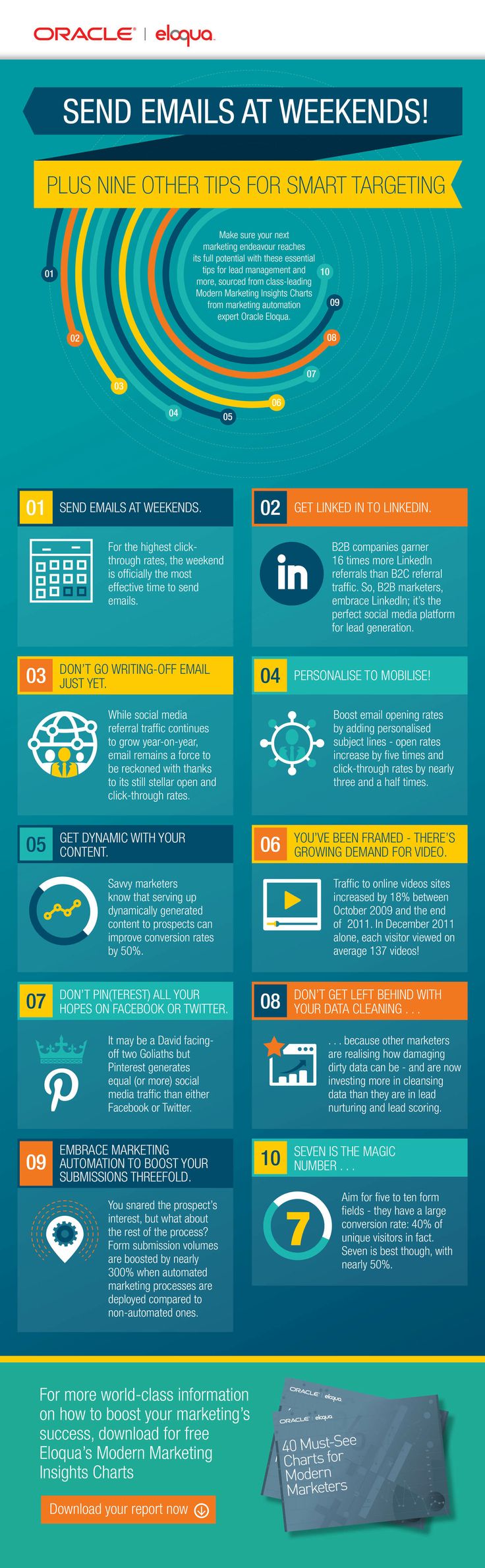
10 Proven Tips To Effectively Market Online

10 Proven Tips To Effectively Market Online

The internet is full of great information, and more content is published every day. For businesses, this creates both an opportunity and a challenge. Posting online is easy, but getting people to notice, read, share, and respond to your content takes a smarter approach.

Effective online marketing is not just about publishing more posts. It is about reaching the right audience, using the right channels, creating helpful content, and turning attention into measurable results. A strong digital marketing strategy can help businesses improve visibility, attract qualified traffic, generate leads, and build stronger customer relationships.

Below are 10 proven tips to effectively market online and improve the performance of your content, email campaigns, social media activity, and lead generation efforts.

1. Send Emails at the Right Time

Email marketing is still one of the most effective ways to reach customers, promote content, and drive website traffic. However, timing plays an important role in campaign performance. Sending emails when your audience is more likely to check their inbox can improve open rates, click-through rates, and conversions.

For some businesses, weekend emails can perform well because people may have more time to read, compare options, and take action. The best approach is to test different days and times, then review your email marketing data.

A successful email campaign should include a strong subject line, useful content, a clear call-to-action, and a mobile-friendly design. Businesses that want better campaign results can start with the basics of email marketing and apply those principles consistently.

2. Use LinkedIn for B2B Marketing

LinkedIn is one of the most valuable platforms for B2B marketing and professional lead generation. It allows businesses to connect with decision-makers, share industry insights, promote services, and build trust with a professional audience.

For better LinkedIn marketing results, publish content that solves real problems for your target audience. This can include case studies, expert tips, company updates, client success stories, and educational posts.

For service-based businesses, LinkedIn can work especially well when connected with a wider digital marketing services strategy.

3. Do Not Forget About Email Marketing

Social media is important, but email should not be ignored. Unlike social platforms, where reach can change because of algorithms, email gives a business direct access to its audience’s inbox.

Email marketing can be used for newsletters, promotions, follow-ups, abandoned cart reminders, lead nurturing, customer retention, and event announcements. It is also one of the best ways to stay connected with people who have already shown interest in your business.

To make email marketing more effective, segment your audience based on interests, location, buying stage, or previous behaviour. A targeted message usually performs better than a general email sent to everyone.

4. Personalise Your Marketing Messages

Personalisation helps make online marketing more relevant. People are more likely to engage with content that feels useful to their needs, interests, or current situation.

Personalisation can include using a customer’s name in an email, recommending content based on previous activity, showing location-based offers, or creating different landing page messages for different audiences.

Good personalisation starts with accurate customer data. Website forms, email signups, CRM data, surveys, and analytics can all help a business understand what its audience needs.

5. Use Dynamic Content to Improve Engagement

Dynamic content allows website pages, emails, or landing pages to change based on user behaviour, interests, or audience type. This makes the experience more useful for each visitor.

For example, a first-time visitor may see an introductory offer, while a returning visitor may see a more specific service message. A business owner may see a different landing page section than a student, homeowner, or marketing manager.

Dynamic content can support content marketing, email marketing, landing page optimization, ecommerce marketing, and lead nurturing. The right online marketing tools can help track behaviour and deliver more relevant content.

6. Add Video to Your Digital Marketing Strategy

Video marketing is one of the most effective ways to explain ideas, build trust, and increase engagement. People often prefer videos because they are easy to watch, understand, and share.

Businesses can use video content for product demos, service explainers, customer testimonials, educational guides, behind-the-scenes content, and short social media clips. Video can also help improve website engagement when placed on relevant pages.

A well-planned video marketing strategy can support SEO, social media marketing, and lead generation.

7. Do Not Depend on One Social Media Platform

Relying on only one social media platform can limit your reach. Algorithms change, audience behaviour shifts, and some platforms may not be ideal for every business.

A smarter online marketing strategy uses the platforms that match the audience and business goals. LinkedIn may work better for B2B marketing. Pinterest can be useful for visual content, guides, ideas, products, and infographics. YouTube can support educational content.

Businesses running campaigns across several platforms can benefit from a clear multichannel marketing strategy.

8. Keep Your Marketing Data Clean

Good marketing depends on accurate data. If email lists, CRM records, analytics, or customer details are outdated, campaigns may perform poorly.

Data cleaning helps remove duplicate contacts, invalid email addresses, inactive subscribers, and outdated information. This can improve email deliverability, targeting, reporting, remarketing, and campaign performance.

Clean data also supports lead scoring, customer segmentation, marketing automation, and better decision-making. When a business understands its audience clearly, it can create more relevant campaigns and avoid wasting budget on the wrong people.

9. Use Marketing Automation

Marketing automation helps businesses save time and improve communication with leads and customers. Instead of manually sending every message, automation allows the right message to be sent at the right time.

Common examples include welcome emails, follow-up sequences, appointment reminders, abandoned cart emails, customer onboarding messages, review requests, and re-engagement campaigns.

Automation works best when it feels helpful, not robotic. Each automated message should have a clear purpose and provide value. Used properly, automation can improve lead nurturing, customer retention, and sales efficiency.

10. Optimise Forms for More Leads

Online forms are an important part of lead generation. However, long or confusing forms can reduce conversions. If a form asks for too much information too early, visitors may leave without submitting it.

A strong lead generation form should be simple, clear, and easy to complete. Ask only for the information needed at that stage. A basic contact form may only need a name, email, phone number, and message.

Testing different form lengths, button text, layouts, and calls-to-action can improve results. This is part of conversion rate optimization, which focuses on turning more website visitors into leads, enquiries, and customers.

Businesses can also track cost per lead to understand how efficiently their marketing campaigns generate enquiries.
Top 10 Marketing Tips

Source: www.business2community.com

About The Author