In 2026, the marketing landscape is more dynamic than ever. Businesses are navigating a hybrid ecosystem where digital innovation meets time-tested traditional strategies. The real question is no longer which is better, but how to strategically leverage both for maximum impact.
This article breaks down the key differences, advantages, and future trends of digital and traditional marketing—helping you decide where to invest your resources for the best ROI.

What Is Digital Marketing?
Digital marketing refers to all marketing efforts that use the internet or electronic devices. Platforms like Google, Meta, and TikTok dominate the space, enabling brands to reach global audiences instantly.
Key Channels:
- Search Engine Optimization (SEO)
- Pay-Per-Click Advertising (PPC)
- Social Media Marketing
- Email Campaigns
- Influencer Marketing
- Content Marketing
Why It Matters in 2026
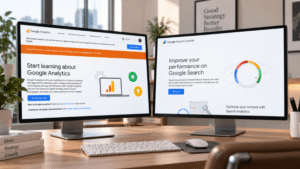
Digital marketing has become more AI-driven, personalized, and data-centric. Businesses can now predict customer behavior, automate campaigns, and optimize performance in real-time.
What Is Traditional Marketing?
Traditional marketing includes offline strategies that have been used for decades. These include print ads, billboards, TV commercials, and radio promotions.
Common Channels:
- Television advertising
- Radio broadcasting
- Print media (newspapers, magazines)
- Direct mail
- Outdoor advertising (billboards)
Despite the rise of digital, traditional marketing still holds value—especially for brand awareness and local reach.
Key Differences Between Digital and Traditional Marketing
1. Audience Targeting
Digital Marketing:
- Hyper-targeted campaigns based on demographics, behavior, and interests
- AI-driven segmentation
Traditional Marketing:
- Broad audience targeting
- Limited personalization
Winner: Digital marketing
2. Cost Efficiency
Digital Marketing:
- Flexible budgets
- Measurable ROI
- Lower entry cost for small businesses
Traditional Marketing:
- High upfront costs (TV, print ads)
- Harder to measure effectiveness
Winner: Digital marketing
3. Engagement & Interaction
Digital Marketing:
- Two-way communication (comments, messages, shares)
- Real-time engagement
Traditional Marketing:
- One-way communication
- Limited feedback mechanisms
Winner: Digital marketing
4. Credibility & Trust
Digital Marketing:
- Influenced by reviews, ratings, and social proof
Traditional Marketing:
- Often perceived as more authoritative (e.g., TV ads)
Winner: Tie (depends on audience)
5. Longevity
Digital Marketing:
- Content can be evergreen (e.g., blog posts, SEO pages)
Traditional Marketing:
- Short lifespan (e.g., newspaper ads)
Winner: Digital marketing
Advantages of Digital Marketing in 2026
1. AI-Powered Personalization
Platforms now use advanced machine learning to deliver personalized experiences. Tools integrated with Google Ads and Meta Ads allow precise targeting like never before.
2. Real-Time Analytics
Marketers can track clicks, conversions, and engagement instantly—allowing for quick adjustments.
3. Global Reach
A small business in the Philippines can now target customers worldwide without massive budgets.
4. Omnichannel Integration
From email to social media to search engines, digital marketing creates seamless customer journeys.
Advantages of Traditional Marketing in 2026
1. Strong Local Impact
Billboards and local radio ads still perform well for geographic targeting.
2. High Brand Recall
TV and print ads often leave a lasting impression.
3. Less Digital Noise
With increasing online competition, offline channels can stand out more.
The Hybrid Approach: The Real Winner
In 2026, the most successful brands are not choosing one over the other—they’re combining both.
Example Strategy:
- Use digital ads for targeting and conversions
- Use traditional media for brand awareness
- Retarget audiences online after offline exposure
This integrated approach ensures consistent messaging across all touchpoints.
Emerging Trends in 2026
1. Voice and AI Search Optimization
With smart assistants growing, optimizing for conversational search is essential.
2. Short-Form Video Dominance
Platforms like TikTok and Instagram Reels continue to lead engagement.
3. Privacy-First Marketing
Data regulations are shaping how businesses collect and use consumer data.
4. Experiential Marketing
Blending offline experiences with digital amplification is becoming a key strategy.
Which One Should You Choose?
The answer depends on your goals:
- Choose Digital Marketing if:
- You want measurable results
- You need precise targeting
- You have a limited budget
- Choose Traditional Marketing if:
- You’re building mass awareness
- You target local or older demographics
- You want high-impact visibility
- Choose Both if:
- You want long-term brand growth
- You aim for omnichannel dominance
Final Thoughts
Digital marketing continues to dominate in 2026, but traditional marketing is far from obsolete. The smartest businesses understand that the real power lies in integration—leveraging the precision of digital with the impact of traditional.
If you want to stay competitive, focus on building a balanced, data-driven marketing strategy that evolves with consumer behavior and technological advancements.
About The Author