Subscribe to our Blogs

    Marketing Team

    The AOK Marketing Team is a diverse group of amazing individuals driven to help all of our clients succeed. Great people are everywhere, and we believe that people should control their workday, their work environment, and where they live. We have team members in 9 countries: United States, Canada, Egypt, Belgium, Ireland, Australia, India, Pakistan, and Hong Kong. How can we help you?

    Blog Posts

    October 17, 2025

    Marketing Team

    Instagram is introducing stronger parental controls to safeguard teenagers from potentially harmful interactions with AI chatbots on its platform. The move comes amid growing concern over the mental health impact of artificial intelligence on young users. Instagram’s Evolution: From Photo App to AI Platform Instagram has grown far beyond its roots as a simple photo-sharing app. Today, it is a dynamic platform integrating artificial intelligence in increasingly complex ways. One of its newest features includes custom AI characters—interactive chatbots created using Meta’s AI Studio. These bots can mimic personalities, offer entertainment, and act as digital companions. While they provide creative and social benefits, their increasing presence has sparked serious ethical and safety concerns, especially when it comes to teen users. To address these concerns, Instagram has announced a new set of parental control features, placing teen safety front and center. Why Instagram Is Making This Change This announcement follows mounting scrutiny of how AI chatbots may negatively influence young users. The urgency intensified after the tragic death of a California teenager who allegedly received harmful advice from OpenAI’s ChatGPT during a private conversation. This incident highlighted the lack of oversight and accountability in AI technologies accessible to minors. In response, Meta is launching what it calls “expanded parental controls”, which are scheduled to roll out in early 2026. Key Features of Instagram’s New Parental Controls According to a blog post from Instagram, the update will give parents significantly more control over how their teens interact with AI characters on the platform. Here’s what’s included: 1. Disable Private Chats With AI Parents will be able to turn off one-on-one chats between their teen and any AI chatbot created within Instagram. This gives guardians more authority over who—or what—their child can communicate with. 2. Block Specific AI Characters If a particular AI bot seems inappropriate or problematic, parents will have the option to block access to that character entirely. This offers a more personalized level of protection. 3. View Conversation Topics Transparency is also a major part of the new update. Parents will receive insights into the types of topics their teen is discussing with AI characters. If conversations stray into unsafe or sensitive territory, parents can take immediate action. 4. Monitor Meta AI Assistant Interactions Although teens will still have access to Instagram’s built-in Meta AI assistant, this tool will include age-appropriate protections. Additionally, parents will be able to review the content of these conversations, offering an added layer of supervision. Stronger Guardrails for Harmful Topics Instagram isn’t stopping with just parental tools. The company is also rolling out automated safety measures that will restrict AI characters from discussing sensitive or potentially harmful topics with teen users. These restrictions include: Blocking conversations about self-harm or suicide Preventing discussions that encourage disordered eating Removing content that promotes or enables dangerous behaviors These filters will be enforced using a combination of machine learning models and human moderators, ensuring a more comprehensive safety net. How Experts and the Industry Are Responding Instagram’s update is being closely observed by other tech platforms, regulators, and advocacy groups. As AI chatbots become more common, calls for robust safety features are growing louder. Experts note that while chatbots may appear emotionally intelligent, they lack the human understanding needed to responsibly engage with vulnerable users. Dr. Lena Marquez, a child psychologist and AI ethics researcher, called the update “a step in the right direction” but warned that, “real safety requires transparency, regular monitoring, and independent audits.” Should Teens Be Chatting With AI at All? This update also reignites a larger debate: Should teenagers have access to AI chatbots in the first place? AI-generated responses are based on data—not empathy. Although they may sound supportive or insightful, they lack the emotional awareness and ethical grounding of a real person. For teens—who are still developing critical thinking and emotional regulation—this can lead to misunderstanding, misinformation, or emotional dependency. While Instagram’s parental controls offer a buffer, they also reveal a significant regulatory gap. There is currently no universal framework to govern how AI tools interact with minors across platforms. What Parents Can Do Now Although the new controls won’t be live until early 2026, there are steps parents can take immediately: Have open conversations with teens about AI and digital boundaries. Use Instagram’s existing parental tools such as screen time limits and content filters. Stay up to date by checking Instagram’s Family Center and reading about upcoming features. By being proactive, parents can create a safer digital environment for their children—well before new tools are officially released. What This Means for Developers and Marketers This update is more than just a safety feature—it sends a clear message to developers and AI creators. Platforms must now prioritize age-based protections and ethical design when deploying AI tools to the public. Developers should: Build in age restrictions and content filters from the start Provide guardian-level oversight features Ensure users (and parents) can opt in or out of AI experiences Those who fail to implement these precautions risk not just losing public trust but also facing regulatory scrutiny and reputational damage. Final Thoughts Instagram’s move to strengthen parental oversight of AI chatbot use among teens is a necessary response to growing public concern. It reflects an important shift in how social platforms must adapt to the challenges of AI-powered interaction—especially for vulnerable users. As artificial intelligence continues to shape how we communicate online, protecting young users must become a shared responsibility. For Instagram, this update is a meaningful first step. Whether it’s enough to prevent future harm remains to be seen—but it’s a step in the right direction.
    October 7, 2025

    Marketing Team

    Artificial intelligence is no longer an emerging trend — it’s the backbone of digital transformation across industries. As we approach 2026, AI’s influence will extend far beyond chatbots, content generation, or data analysis. It will define how businesses operate, how people work, and even how creativity is expressed. Here are 10 bold predictions for AI in 2026 — insights that reveal where the technology is heading, and what organizations must prepare for. 1. AI Will Become a Core Business Partner, Not Just a Tool By 2026, AI won’t just assist employees — it will collaborate with them. From strategic decision-making to customer insights, businesses will rely on AI systems as active partners in growth and innovation. Advanced predictive models will handle scenario planning, risk assessment, and performance forecasting, helping executives make smarter, faster decisions. This “co-pilot” era means companies will shift from using AI to working alongside it. 2. Generative AI Will Redefine Creativity Across Industries Generative AI is evolving from producing simple text or art into a force that transforms entire creative workflows. By 2026, AI will help conceptualize ad campaigns, compose music, design physical products, and even generate 3D environments for film and gaming. Brands will integrate AI not just for efficiency but for creative amplification — blending human imagination with algorithmic innovation. In marketing, AI tools will tailor brand visuals and tone to match audience sentiment in real time, creating deeply personalized experiences. 3. AI Regulation and Ethical Frameworks Will Mature As AI adoption grows, so does the need for accountability. In 2026, expect to see mature global AI governance frameworks that set boundaries for responsible development and usage. Governments and organizations will collaborate on ethical standards to regulate AI’s use in surveillance, recruitment, healthcare, and finance. Companies will be required to maintain AI transparency reports — documenting data sources, bias testing, and decision-making logic. Ethical AI won’t be optional; it will become a competitive differentiator and compliance requirement. 4. Multimodal AI Will Become the Norm The next generation of AI systems will think beyond words. Multimodal AI, capable of understanding text, images, voice, and even gestures simultaneously, will become mainstream by 2026. This means digital assistants that interpret tone and facial expression, customer service bots that recognize visual cues, and search engines that combine voice prompts with image-based queries. Businesses will need to optimize not just text data but all forms of communication to engage users effectively in this new, sensory-rich AI environment. 5. Artificial General Intelligence (AGI) Will Edge Closer to Reality While full AGI — machines that think and reason like humans — may still be years away, 2026 will mark major breakthroughs toward that goal. Expect to see prototype systems capable of reasoning across multiple domains without task-specific training. These hybrid AI models will combine large-scale reasoning with self-learning capabilities, allowing them to adapt in unfamiliar scenarios. Although AGI won’t be fully realized, 2026 will be the year it stops feeling theoretical and starts becoming tangible. 6. AI-Driven Personalization Will Redefine Customer Experience By 2026, personalization powered by AI will reach new heights. Every interaction — from online shopping to streaming to education — will feel uniquely designed for the individual. AI will process billions of micro-interactions to anticipate what customers need before they even ask. Recommendation engines will factor in context, emotion, and behavior, crafting experiences that feel intuitive and human. The challenge for businesses will be maintaining privacy and trust while delivering this hyper-personalized intelligence. 7. Automation Will Transform the Workforce — and Create New Roles Contrary to fears of job loss, AI-driven automation will reshape rather than erase work. By 2026, repetitive or data-heavy tasks will be almost entirely automated in sectors like finance, logistics, and customer support. However, this shift will give rise to new job categories — AI trainers, ethicists, explainability experts, and human-AI interaction designers. Companies that invest in reskilling and adaptive learning will thrive, while those that resist change risk being left behind. The future of work will be collaborative, not competitive. 8. AI in Healthcare Will Move from Diagnosis to Prevention Healthcare will be one of the biggest beneficiaries of AI in 2026. Machine learning models will not only detect diseases but predict them. AI systems will analyze patient history, lifestyle patterns, and genetic data to flag early signs of potential conditions — long before symptoms appear. Remote diagnostics and wearable health monitors will become standard, providing real-time updates to medical professionals. The result: a healthcare system that shifts focus from treating illness to preventing it. 9. AI Security Will Become a Top Priority As AI becomes more integral to business operations, AI-powered cyber threats will rise. Deepfakes, data poisoning, and adversarial attacks will force companies to rethink cybersecurity from the ground up. By 2026, organizations will deploy defensive AI — algorithms that detect and neutralize other AI-based threats in real time. Cybersecurity teams will rely on self-learning models that continuously evolve to counter emerging attack patterns. The race between malicious AI and defensive AI will define the next frontier of digital security. 10. AI Will Drive the Next Green Revolution Sustainability and AI will merge by 2026. Advanced algorithms will optimize energy consumption, waste management, and resource distribution across industries. AI will power smart grids, forecast weather patterns with extreme accuracy, and enhance climate modeling for global policy planning. In agriculture, AI-driven drones and sensors will monitor soil health, reduce water waste, and increase yield sustainably. By marrying environmental goals with digital innovation, AI will become a cornerstone of the green economy — accelerating humanity’s path toward sustainability. A Glimpse Into the AI-Driven Future AI in 2026 will be defined by intelligence that’s contextual, ethical, and creative. It will no longer operate behind the scenes — it will be a visible, trusted collaborator in everyday decision-making. Businesses that adapt early will lead the charge in this new era, while those that hesitate may struggle to remain relevant. The coming years will demand balance — blending human empathy with machine precision, innovation with responsibility, and automation with ethics. As AI continues to evolve, one truth stands clear: the future won’t just be powered by artificial intelligence — it will be shaped by how wisely we use it.

    September 10, 2025

    Marketing Team

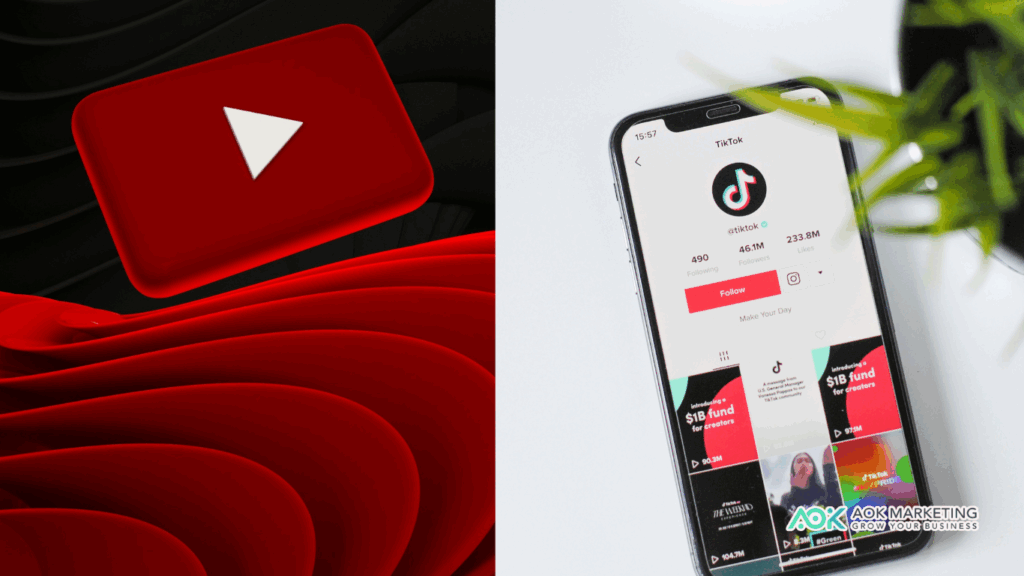
    Short-form video has reshaped the digital landscape, and in 2025, two platforms dominate the conversation: YouTube Shorts and TikTok. Both attract billions of viewers and promise creators fast exposure, but which is truly the better option for someone just starting out? This article will break down YouTube Shorts vs. TikTok across key categories—audience reach, algorithm, monetization, growth potential, and creative tools—so you can decide which platform is the best fit for your content journey in 2025. The Rise of Short-Form Video Short-form video is no longer just a trend—it’s the heartbeat of online content. Audiences today crave quick, engaging, and digestible clips that fit into their daily scrolling habits. Both YouTube and TikTok recognized this shift early on: TikTok pioneered the viral short-video model, while YouTube launched Shorts in 2020 to keep creators from migrating away. In 2025, these platforms aren’t simply competing—they’re shaping the rules of content creation. Understanding their differences can help new creators avoid wasted effort and build audiences more strategically. Audience Reach and Demographics TikTok TikTok is known for its Gen Z dominance, but in 2025 its audience has matured. Millennials and even Gen X are now part of its user base, with global downloads surpassing three billion. TikTok thrives on entertainment, trends, and viral challenges, making it ideal for creators aiming to tap into pop culture. YouTube Shorts YouTube’s advantage is its existing ecosystem. With over 2.7 billion monthly active users, Shorts are integrated into the platform that already hosts long-form videos, live streams, and podcasts. Unlike TikTok, YouTube appeals to a wider age range, from students to professionals seeking tutorials, reviews, and educational content. Verdict: If your goal is fast viral reach, TikTok often wins. But if you want a long-term, multi-format audience, YouTube Shorts gives you a more stable foundation. Algorithm and Discoverability TikTok’s Algorithm TikTok’s “For You Page” remains unmatched in 2025. The algorithm is built to surface new creators alongside established influencers, giving fresh voices a chance to explode overnight. With a single clever video, you can reach millions—even with zero followers. YouTube’s Algorithm YouTube Shorts uses signals like watch time, engagement, and relevance. While YouTube is less forgiving to brand-new creators, it rewards consistent posting and ties your Shorts to your long-form videos. This synergy helps you grow a loyal subscriber base rather than just viral spikes. Verdict: For raw discoverability, TikTok edges out YouTube. But YouTube builds deeper relationships that can turn casual viewers into long-term subscribers. Monetization Opportunities For many new creators, the question isn’t just about views—it’s about turning passion into income. TikTok Monetization in 2025 TikTok Creativity Program offers higher payouts for engaging, original videos. TikTok Shop allows creators to earn through product recommendations. Brand sponsorships are booming, especially for creators in lifestyle, beauty, and gaming niches. The catch? TikTok monetization is highly dependent on virality, making income streams unpredictable. YouTube Monetization in 2025 YouTube Partner Program (YPP) now includes Shorts revenue sharing. Creators earn ad revenue directly tied to their videos. Memberships, Super Chats, and long-form ad revenue add extra layers of stability. Brands often prefer YouTube for its searchable, evergreen content, making deals more reliable. Verdict: If you want consistent, scalable income, YouTube Shorts wins. TikTok is better for quick sponsorship opportunities but less reliable for long-term revenue. Growth Potential Beyond Short-Form TikTok TikTok is experimenting with longer videos (up to 30 minutes in some regions), but its core identity is short-form entertainment. As a new creator, you might find yourself locked into trends rather than building a distinct, enduring brand. YouTube YouTube Shorts serve as a gateway to the larger YouTube universe. Once your Shorts bring in new subscribers, you can funnel them to long-form tutorials, vlogs, or podcasts. This versatility makes YouTube a career-building platform, not just a trend machine. Verdict: For creators looking to expand beyond short clips, YouTube offers the stronger growth ecosystem. Creative Tools and Flexibility TikTok Tools TikTok leads in in-app creativity. Features like effects, AR filters, music integration, and editing tools are second to none. New creators can film, edit, and publish a polished video entirely within the app. YouTube Shorts Tools YouTube has improved its editing suite in 2025, but it still trails behind TikTok. However, YouTube supports higher video quality and cross-platform integration, giving creators more flexibility if they prefer editing outside the app. Verdict: For easy, trend-friendly creation, TikTok is unbeatable. But YouTube supports creators who want more polished, professional content. Which Platform Should New Creators Choose in 2025? The answer depends on your goals as a creator: Choose TikTok if:– You want rapid exposure and viral potential.– Your content thrives on trends, humor, and quick hits.– You’re focused on building influence fast, even if income is unstable. Choose YouTube Shorts if:– You want to grow a long-term audience across multiple formats.– You’re aiming for consistent monetization and career growth.– You value building a searchable library of content rather than fleeting virality. Final Thoughts In the battle of YouTube Shorts vs. TikTok, there isn’t a one-size-fits-all winner. For new creators in 2025, TikTok offers the quickest way to get noticed, but YouTube Shorts offers the most reliable path to sustainable growth and income. Smart creators are choosing not to limit themselves—they’re repurposing content on both platforms. A video that takes off on TikTok can funnel new fans to your YouTube channel, where they can binge your longer videos. In 2025, the most successful creators aren’t picking sides—they’re mastering both.

    August 10, 2025

    Marketing Team

    OpenAI has officially released ChatGPT-5, its most powerful and versatile AI model to date. From developers and marketers to teachers and CEOs, everyone is asking: What exactly can ChatGPT-5 do? This next-generation model builds on the foundation of GPT-4 and GPT-4o, introducing smarter reasoning, deeper memory, faster response times, and unprecedented multimodal capabilities. In this article, we’ll break down everything you need to know about ChatGPT-5, including its new features, use cases, and real-world applications—and why it matters more than ever in 2025. What Is ChatGPT-5? ChatGPT-5 is the latest iteration in OpenAI’s GPT (Generative Pre-trained Transformer) series, and it powers the newest version of ChatGPT available to pro users and API developers. It represents a major leap forward in artificial intelligence: Smarter: It understands more complex prompts and handles advanced reasoning tasks. Faster: Lightning-fast processing and response generation. Multimodal: Seamlessly understands and generates text, images, audio, and video. Memory-Enhanced: Persistent, long-term memory that allows for truly personalized experiences. With GPT-5, OpenAI has pushed the boundaries of general-purpose AI—from a helpful assistant into a near-human collaborator. Major Features of ChatGPT-5 1. Multimodal Understanding (Text, Image, Video, and Voice) ChatGPT-5 supports true multimodal interaction. This means it can: Understand and respond to spoken commands with natural-sounding voice output. Analyze images and give context-aware feedback (e.g., “What’s wrong in this x-ray?”). Describe and summarize videos, frame by frame. Create visuals, diagrams, or sketches from text prompts. This opens doors for professionals in healthcare, design, marketing, education, and beyond. 2. Long-Term Memory and Context Awareness GPT-5 introduces long-term memory that retains facts about users across sessions. It remembers your name, preferences, writing style, past queries, and even long-term goals. Examples: A student working on a thesis can have ChatGPT-5 track their progress and suggest improvements over time. A marketer can use it to generate campaigns that align with previously discussed brand messaging. This memory can be reviewed, edited, and deleted—giving users full control and transparency. 3. Advanced Reasoning and Problem Solving GPT-5 excels at logic, math, and step-by-step reasoning. It can: Debug complex code. Solve graduate-level math problems. Analyze legal documents and summarize key points. Offer financial forecasts based on data sets. Compared to GPT-4, it’s far better at staying consistent, avoiding hallucinations, and referencing up-to-date information. 4. Real-Time Search Integration ChatGPT-5 can access live web results, combining its model-based knowledge with real-time data. This means: Product recommendations are based on current availability. Travel planning includes up-to-date prices and locations. News analysis is backed by the latest headlines. It’s like combining a smart AI with the best of Google—contextual, conversational, and timely. Real-World Use Cases of ChatGPT-5 Education Teachers can generate lesson plans, quizzes, and personalized study guides. Students can get tailored tutoring sessions or feedback on writing. With multimodal support, ChatGPT-5 can even help explain math problems visually. Business and Marketing Marketing teams are using ChatGPT-5 to: Draft compelling ad copy. Design landing pages with AI-generated images. Generate full content calendars in seconds. It also integrates easily with CRMs, email platforms, and analytics tools—making it a true marketing co-pilot. Software Development Developers can now: Collaborate with ChatGPT-5 in real-time while coding. Get inline suggestions in IDEs. Generate documentation automatically. Use voice to dictate code changes or troubleshoot bugs. ChatGPT-5 understands over 50 programming languages and can generate, optimize, and refactor code on the fly. Healthcare Doctors and nurses are using GPT-5 to: Transcribe patient visits. Generate summaries for EMRs. Translate complex diagnoses into patient-friendly language. Even analyze medical imaging (when paired with vision tools). With privacy features and HIPAA-compliant APIs, it’s becoming a trusted medical assistant. Privacy, Safety & Ethical AI OpenAI has placed a huge emphasis on trust and safety with ChatGPT-5. The model includes: Robust guardrails against misinformation, harmful content, and manipulation. Tools for user control, including editable memory and session history. Enhanced transparency, with citations and source links for web-based answers. Developers must adhere to OpenAI’s strict usage guidelines, especially in high-risk domains like finance, medicine, and law. Accessing ChatGPT-5 As of August 2025, ChatGPT-5 is available via: ChatGPT Plus ($20/month): Includes GPT-5 with voice, image, and document capabilities. ChatGPT Team & Enterprise: With admin tools, collaboration features, and API access. OpenAI API: Developers can build apps or integrate GPT-5 into workflows. You can also use GPT-5 in popular tools like Microsoft Copilot across Word, Excel, and PowerPoint. What’s Next for AI After GPT-5? OpenAI has hinted that GPT-5 isn’t the final stop—it’s a bridge to Artificial General Intelligence (AGI). Future versions may: Handle fully autonomous tasks. Combine reasoning with real-world robotics. Understand long videos or books in one pass. Become real-time collaborators in design, music, and scientific discovery. GPT-5 may feel like a tool today—but it’s paving the way for AI that can think, reason, and act. Final Thoughts: What ChatGPT-5 Means for You Whether you’re a startup founder, creative professional, student, or casual user, ChatGPT-5 unlocks capabilities that once felt like science fiction. It’s more than an upgrade—it’s a paradigm shift in how we work, learn, and create. If GPT-4o was your AI assistant, GPT-5 is your strategic partner. Ready to Try ChatGPT-5? Sign up for ChatGPT Plus or explore API access at OpenAI.com. Don’t just keep up with the future—create it.

    August 5, 2025

    Marketing Team

    The world of digital marketing is a constantly shifting landscape. Staying ahead of the curve requires more than just understanding the basics; it demands embracing new technologies. A pivotal force in this evolution is Artificial Intelligence (AI). For modern marketers, AI is no longer a futuristic concept—it’s an indispensable partner. Its role in digital marketing is to augment human creativity, automate tedious tasks, and unearth data-driven insights that were once impossible to find. This article will explore five key ways you can leverage AI in digital marketing to supercharge your campaigns, making them more efficient, effective, and intelligent than ever before. The Content Creation Revolution Content is the lifeblood of digital marketing. The demand for fresh, high-quality content—from blog posts and social media updates to ad copy—is endless. This is where the power of AI in digital marketing truly shines. Generative AI tools like ChatGPT and Jasper are not just for brainstorming; they can craft entire drafts, captivating headlines, and targeted social media captions. This application of AI in digital marketing allows you to streamline your workflow and dramatically reduce the time it takes to create content. Streamline Your Workflow: Imagine cutting the time to write a blog post in half. AI in digital marketing assists with everything from creating a detailed outline and researching a topic to generating a polished first draft. This also makes repurposing content a breeze, turning a long-form article into a series of bite-sized social media posts or an engaging email sequence. This frees you to focus on the strategic, creative aspects that only a human can provide. SEO on Steroids: The role of AI in digital marketing extends to Search Engine Optimization. AI-powered SEO tools like Surfer SEO and Semrush analyze top-ranking content for your target keywords and provide real-time suggestions to optimize your writing as you go. They can identify content gaps, pinpoint high-impact keywords, and generate meta descriptions that are more likely to rank, giving your content a significant edge. Hyper-Personalization at Scale The days of one-size-fits-all marketing are over. Today’s consumers expect personalized experiences that make them feel seen and understood. While manually segmenting audiences and crafting individual messages is unfeasible at scale, the right use of AI in digital marketing makes it not only possible but surprisingly easy. Dynamic Content for Every Visitor: AI in digital marketing analyzes visitor behavior on your website—what they click, search for, and purchase—to dynamically adjust the content they see. This could mean showing personalized product recommendations, displaying a different call-to-action, or even altering the entire page layout to match their unique preferences. Connecting with Email Marketing: AI in digital marketing can optimize your email campaigns by analyzing past performance to determine the best send time, which subject line will get the highest open rate, and what content will resonate most with a specific subscriber. Tools like Seventh Sense and Mailchimp’s AI features transform your email marketing from a mass broadcast to a series of highly relevant, one-on-one conversations. Campaign Optimization in Real-Time Managing paid ad campaigns across multiple platforms is a complex and time-consuming task. AI in digital marketing takes the guesswork out of the equation by using machine learning to analyze vast amounts of data and make real-time adjustments that maximize your Return on Investment (ROI). Smart Bidding and Budget Allocation: AI can automatically adjust your bids on platforms like Google Ads or social media based on performance data. It learns which audiences, keywords, and placements are most effective and allocates your budget accordingly, ensuring you get the most value for every dollar spent. Audience Targeting That Actually Works: The power of AI in digital marketing allows you to identify and target new, high-value audiences you might have never found manually. By analyzing your customer data, these platforms can create “lookalike audiences” that share similar characteristics with your best customers, significantly expanding your reach and improving conversion rates. Predictive Analytics: A Glimpse into the Future What if you could predict which customers are most likely to leave, which products will be in high demand next quarter, or which marketing channels will deliver the best results? AI in digital marketing makes this possible with predictive analytics. By analyzing historical data and identifying patterns, AI can forecast future outcomes, giving you the power to make proactive, data-driven decisions. Predicting Customer Churn: AI in digital marketing can identify the early warning signs of customer churn by analyzing behaviors and interactions. This allows your team to intervene with personalized offers or support before a customer decides to leave, significantly improving retention rates. Forecasting Trends: By analyzing market data, social media sentiment, and search trends, AI in digital marketing can give you a heads-up on what’s coming next. This allows you to adjust your content strategy, product offerings, and marketing messages to align with future demand, giving you a considerable advantage over the competition. Automated Customer Service: The Ultimate Customer Experience Customer service and marketing are more intertwined than ever. A great customer experience is a powerful marketing tool, while a poor one can quickly damage your brand’s reputation. AI in digital marketing can provide instant, 24/7 support, freeing your human team to handle more complex issues. Intelligent Chatbots and Virtual Assistants: AI-powered chatbots can handle a wide range of common customer inquiries, from tracking an order to answering frequently asked questions. They provide instant, accurate responses, improving customer satisfaction and reducing the workload on your support team. When a question becomes too complex, the chatbot can seamlessly transfer the conversation to a human agent, providing them with a complete summary of the interaction. The integration of AI in digital marketing isn’t a fad; it’s the next evolution of the industry. By embracing these powerful tools, you can automate routine tasks, unlock deeper insights, and deliver a more personalized and effective experience for your customers. The future of digital marketing is here, and it’s powered by AI.