How to Increase Website Traffic Through Social Media
A busy social media page does not always lead to a busy website. A post can collect likes, comments, and shares without sending a single person to a product page, article, or contact form.
The difference comes down to purpose. Every post should give people a reason to take the next step. That may mean reading a detailed guide, viewing a product, booking an appointment, downloading a resource, or contacting your team.
Learning how to increase website traffic through social media is not about placing a link under every post. People quickly lose interest when a company only promotes itself. The strongest social accounts share useful information, join real conversations, and make the path to the website feel natural.
The following seven steps will help you turn your company’s social media channels into a steady source of relevant website visitors.
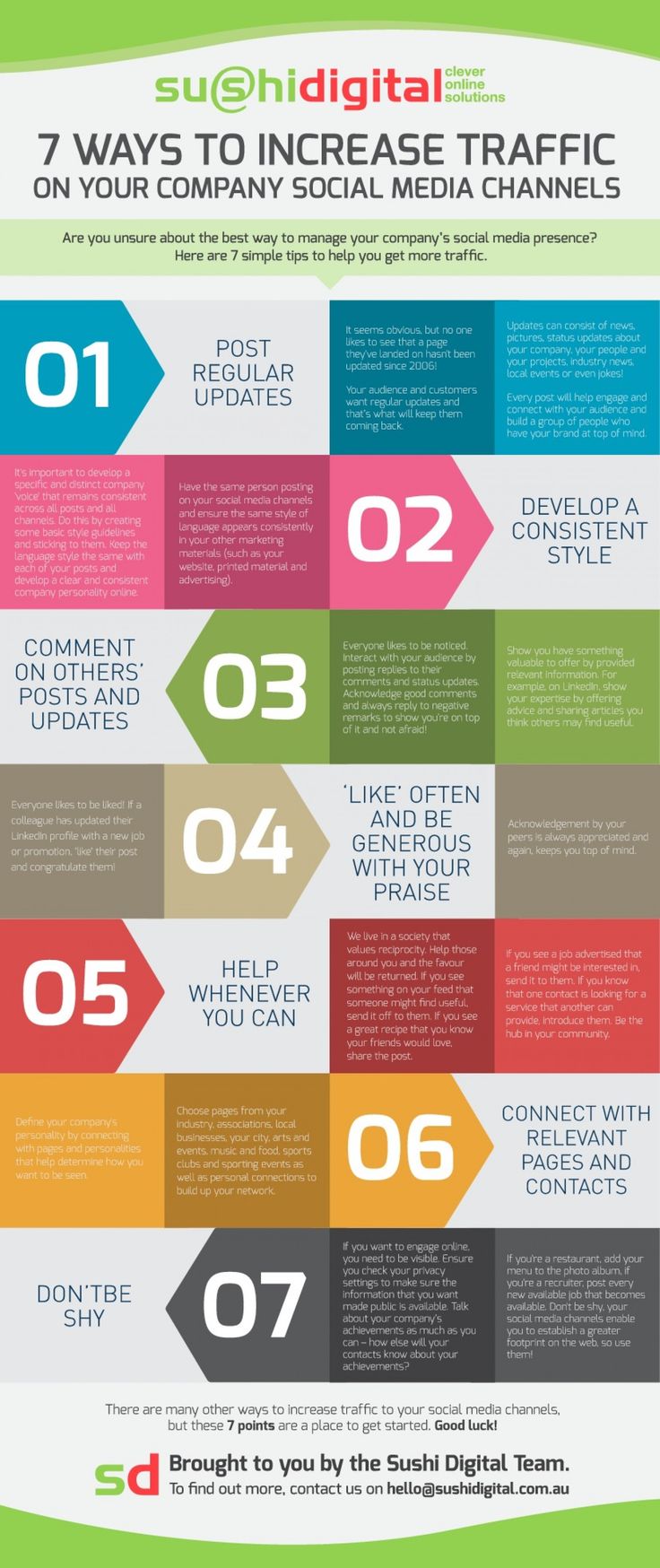
1. Post Regularly, but Give Every Post a Purpose
An inactive company page creates doubt. A customer who finds your latest update from several years ago may wonder whether the business is still operating. Regular activity shows that the company is present, responsive, and paying attention.
That does not mean posting several times a day simply to keep the page moving. A rushed post with no useful message does little for the audience and gives people no reason to visit the website.
Build your schedule around content that already matters to your customers. A service company could share a short answer to a common question and direct readers to a complete guide. An online store could highlight a practical use for a product and link to the relevant category. A business-to-business company could pull one useful lesson from a longer report.
A simple monthly mix could include:
- Helpful advice connected to a detailed website resource
- Company news, customer stories, or project updates
- Questions and conversation-led posts that reveal what the audience wants
The website should hold the full value. Social media introduces the topic, while the linked page provides the explanation, product details, examples, or next action.
A structured social media management plan makes this easier by connecting publishing schedules with business goals instead of filling the calendar with random updates.
2. Keep Your Brand Voice and Visual Style Consistent
People should be able to recognize your company before they read the account name. That recognition comes from using a familiar voice, visual style, and way of presenting information.
Your brand does not need to sound formal in every post. It does need to sound like the same business. A company that sounds friendly on Instagram, stiff on LinkedIn, and careless on Facebook can leave customers unsure about its personality.
Decide how the brand speaks. Is it direct and practical? Warm and conversational? Expert without being overly technical? Once that tone is clear, use it across captions, replies, videos, and linked website pages.
Visual consistency matters too. Use recognizable colours, clear images, readable text, and a layout that fits the platform. Meta’s business guidance recommends clear messaging, consistent colour use, recognizable imagery, and concise text for Facebook Page posts.
Consistency should also continue after someone clicks. A polished social post that leads to an outdated or confusing page creates a poor experience. Your website design should feel connected to the content and promises that brought the visitor there.
3. Join Conversations as the Company
Social media works best when a business participates rather than broadcasts.
Comment on relevant posts from customers, partners, local organizations, and respected voices in your field. Add something useful instead of leaving generic replies such as “Great post” or “Thanks for sharing.”
A good company comment can answer a question, add an example, point to a helpful resource, or offer a different perspective. These interactions introduce your brand to people who may not already follow the page.
The same principle applies to comments under your own posts. Reply while the conversation is still active. Answer questions clearly and acknowledge people who take time to contribute. Meta recommends responding to followers as part of its guidance for improving Facebook Page engagement.
Not every reply needs a website link. Adding links where they do not belong makes the conversation feel promotional. Share one when it genuinely helps the person find a complete answer.
This approach supports social media engagement and website traffic at the same time. The conversation builds familiarity first. The useful link gives interested readers somewhere relevant to go next.
4. Recognize Other People’s Work
A company page should not spend all its time talking about the company.
Congratulate clients on milestones. Thank customers who share thoughtful feedback. Recognize employees for meaningful work. Comment on useful industry research. Share community news that matters to your audience.
This does not mean liking every post in sight. Empty engagement looks mechanical. Respond when there is a real connection between the post, your business, and the people you serve.
Generous interaction helps build relationships, and those relationships can lead to profile visits, brand searches, referrals, and website clicks. People are more likely to pay attention to a company that contributes to the community rather than one that appears only when it has something to sell.
When sharing another person’s content, add your own viewpoint. Explain why the information matters or how it connects to a problem your customers face. A thoughtful introduction adds value and gives readers a reason to visit your page.
The goal is not to manufacture attention. It is to become a useful and recognizable part of the conversation.
5. Help Before You Promote
Useful content gives social media users a reason to trust the link you share.
Answer the questions your sales or customer service teams hear every week. Explain a common mistake. Show a process. Compare two options. Share a simple checklist. Give readers enough value in the post to hold their attention, then point them to the website for the complete explanation.
For example, a short post could explain three warning signs of a common problem. The linked article could cover the causes, solutions, costs, and next steps. The social post stands on its own, but the website offers more depth.
This is where a clear content creation plan becomes important. Social media performs better when it draws from strong articles, service pages, case studies, videos, and downloadable resources.
Avoid vague captions such as “Read our latest blog.” Tell people what they will learn and why it matters.
Instead of:
Our new article is live. Click here to read it.
Try:
Most visitors leave a landing page because they cannot quickly understand the offer. These five changes can make the next step clearer.
The second version creates interest before asking for the click.
This balance is central to a strong social media content strategy. Give something useful first, then make the next action easy.
6. Connect With Relevant Pages, People, and Communities
Other businesses in your industry are not automatically enemies. Some may serve a different audience, operate in another location, or offer a service that complements yours.
Follow professional associations, community groups, event organizers, suppliers, media outlets, and respected experts connected to your market. Join conversations where your company has something worthwhile to add.
A local business could connect with neighbourhood organizations and nearby events. A software company could follow industry publications and technology communities. A professional service firm could engage with trade bodies, business groups, and related specialists.
These connections widen the number of relevant people who may see your posts. More importantly, they give your company a better understanding of what the audience is discussing.
That insight can shape future website content. When the same question appears repeatedly in comments or community discussions, it may deserve its own article, service-page section, or frequently asked question.
Complete company profiles also improve discovery. LinkedIn states that Pages with a logo, description, website URL, and other complete information are more discoverable and may receive 30% more weekly views.
Review every company profile and make sure the website link, description, contact details, branding, and services are current.
7. Stop Hiding Behind the Logo
A company page needs a human presence.
People want to know who is answering questions, doing the work, solving the problem, or standing behind the product. Show the team, share informed opinions, explain decisions, and let subject-matter experts speak in their own voices.
This does not require sharing private information. Keep personal details secure and follow your organization’s privacy rules. The aim is to make the brand approachable, not expose employees.
A human post could include a short video from a team member, a lesson learned during a project, a behind-the-scenes look at a process, or a practical answer from an in-house expert.
Make sure public business content is visible. A post cannot attract engagement or website traffic when privacy settings prevent the intended audience from seeing it.
Calls to action should also sound human. “Learn more” is sometimes enough, but a specific invitation usually gives the reader more context:
- See the complete step-by-step process
- Compare the available options
- View the full project
- Read the detailed guide
- Book a consultation
Send the visitor to the page that matches the promise. Do not direct every social click to the homepage. A relevant landing page keeps the conversation moving and makes the next step clear.
Turn Social Media Attention Into Measurable Website Traffic
Publishing links is not the same as generating results. You need to know which platforms, posts, and campaigns bring visitors to the website.
Google Analytics supports campaign parameters such as utm_source, utm_medium, and utm_campaign. Adding these parameters to social links allows traffic from individual campaigns to appear in acquisition reports.
Review more than clicks. Look at what visitors do after reaching the website. A post that sends fewer visitors may be more valuable when those visitors spend time on the page, submit a form, join a mailing list, or make a purchase.
Track performance over time and compare:
- Which topics attract qualified visitors
- Which platforms lead to enquiries or sales
- Which page formats keep visitors engaged
Use those findings to shape future posts. When a guide performs well on LinkedIn, create more content around the same customer problem. When an Instagram campaign attracts clicks but no action, check whether the landing page matches the post and works well on mobile.
A complete digital marketing strategy connects social performance with website behaviour, search visibility, content, and conversions.
Build a Social Presence That Leads Somewhere
Understanding how to increase website traffic through social media starts with one basic idea: give people a worthwhile reason to leave the platform.
Post consistently, keep the brand recognizable, join real conversations, and help people before asking for anything. Build relationships with relevant communities and show the people behind the company. When you share a link, make sure it leads to a page that continues the conversation.
Social media traffic grows when every part works together. The post earns attention. The message creates interest. The website delivers the value.
AOK Marketing can help connect social content, website pages, and campaign tracking into one practical growth plan. Request a free growth proposal to identify the next opportunities for your business.
About The Author