If you’ve been trying to grow on social media lately, you’ve probably noticed something:
Some posts take off instantly.
Others… barely move.
Same account. Same audience. Completely different results.
What’s happening behind the scenes?
The answer is engagement velocity—one of the most important (and most overlooked) factors in modern content performance.
Let’s break it down.

What Is Engagement Velocity?
Engagement velocity refers to how quickly your content receives interactions after it’s published.
This includes:
– Likes
– Comments
– Shares
– Saves
But more importantly, it measures speed, not just volume.
For example:
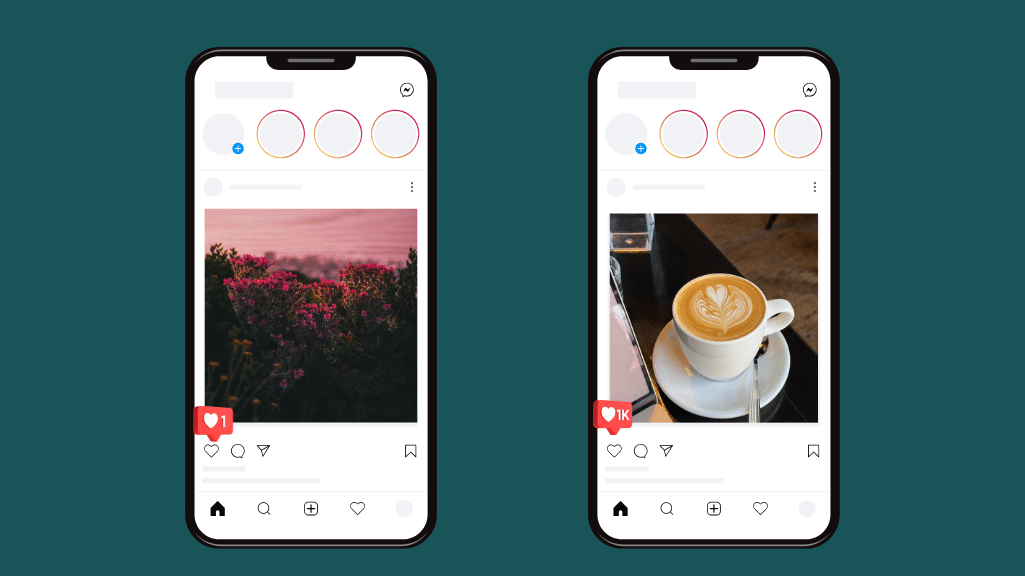
– Post A gets 1,000 likes over 24 hours
– Post B gets 300 likes in the first 30 minutes
Post B often performs better because it shows strong early momentum.
That early spike tells platforms:
“This content is worth showing to more people.”
Why Engagement Velocity Matters in 2026
Platforms like Instagram, TikTok, and even LinkedIn don’t just look at total engagement anymore.
They prioritize how fast engagement happens.
Why?
Because speed is a strong signal of:
– Relevance
– Interest
– Content quality
– Audience alignment
In short:
Fast engagement = high demand.
And platforms are built to amplify what people want right now.
How Engagement Velocity Works (Behind the Scenes)
When you post content, platforms don’t show it to everyone immediately.
Instead, they follow a process:
Step 1: Initial Distribution
Your post is shown to a small segment of your audience.
Step 2: Engagement Testing
The platform measures:
– How many people interact
– How quickly they do it
– What type of engagement occurs
Step 3: Expansion (or Decline)
If engagement is strong and fast:
– Your post gets pushed to more people
If engagement is slow:
– Distribution slows down
This is why two similar posts can perform completely differently.
Engagement Velocity vs. Total Engagement
This is where many people get confused.
Total engagement = how many interactions your post gets overall
Engagement velocity = how fast those interactions happen
And in 2026:
Velocity matters more.
Because algorithms prioritize momentum, not just outcomes.
The “Golden Window” of Engagement
Most platforms have a critical time period after posting—often called the golden window.
This is usually:
– The first 30 minutes
– Up to the first 1–2 hours
What happens during this window can determine your post’s reach.
Strong signals during this time can:
– Boost distribution
– Increase discoverability
– Extend content lifespan
Weak signals can:
– Limit reach early
– Reduce visibility
– Kill momentum
Which Engagement Signals Matter Most?
Not all interactions are equal.
Here’s how platforms typically value them:
– Shares → strongest signal (content is worth spreading)
– Saves → high value (content is worth revisiting)
– Comments → meaningful engagement
– Likes → lowest weight
So if you want stronger engagement velocity:
Focus less on likes—and more on value-driven interactions.
What Slows Down Engagement Velocity
Even strong content can fail if velocity is weak.
Common reasons include:
– Posting when your audience is inactive
– Weak opening hooks
– Lack of clear value
– No call-to-action
– Content that blends in
Sometimes, it’s not that your content is bad—it just didn’t catch fast enough.
READ: Is There Really a Best Time to Upload on Instagram in 2026?
How to Increase Engagement Velocity
Here’s how high-performing brands and creators do it:
1. Nail the First 3 Seconds
Your hook determines everything.
Use:
– Bold statements
– Contrarian takes
– Clear promises of value
If people don’t stop scrolling, engagement never starts.
2. Post When Your Audience Is Active
This is where timing does matter.
You want:
– Maximum visibility immediately after posting
– More people ready to engage right away
3. Encourage Interaction
Don’t just post—guide behavior.
Use:
– Questions
– “Save this” prompts
– “Send this to someone” cues
Simple, but effective.
4. Engage Immediately After Posting
The first hour matters.
– Reply to comments fast
– Start conversations
– Boost interaction signals
This helps sustain momentum.
5. Create Shareable Content
The fastest-growing posts are:
– Relatable
– Useful
– Easy to understand
– Worth passing along
If people share it, velocity skyrockets.
Real-World Example
Let’s say you post a carousel about marketing tips.
Scenario A:
– 50 likes over 6 hours
– 2 comments
– No shares
Scenario B:
– 20 likes in 10 minutes
– 5 comments
– 3 shares
Scenario B will likely outperform—because it shows immediate demand.
Why Engagement Velocity Matters for Brands
If you’re running a business or brand, this matters even more.
Because engagement velocity affects:
– Reach
– Brand visibility
– Content lifespan
– Lead generation
– Sales opportunities
In other words:
Faster engagement = faster growth.
The Bigger Shift: From Posting to Performance
Here’s what’s changed:
Old mindset:
“Post consistently and hope it works.”
New mindset:
“Create content designed to perform immediately.”
That means thinking about:
– Hook
– Value
– Timing
– Interaction
Before you even hit publish.
Final Thoughts
Engagement velocity isn’t just a metric—it’s a signal.
It tells platforms:
“People care about this right now.”
And in a world where attention is everything, speed is power.
If you want your content to grow in 2026:
– Focus on early engagement
– Create content worth interacting with
– Optimize your first hour
Because the faster your content moves…
The further it goes.
About The Author