Your X profile, formerly known as your Twitter profile, can influence whether someone follows your account, visits your website, contacts your company, or continues scrolling.
People may discover your profile through a post, reply, search result, repost, recommendation, or conversation. When they arrive, they often make a quick decision based on your profile photo, header image, name, bio, recent posts, and overall activity.
An incomplete profile can make a legitimate business look inactive or difficult to trust. A clear and professional profile immediately tells visitors who you are, what you do, who you help, and what they should do next.
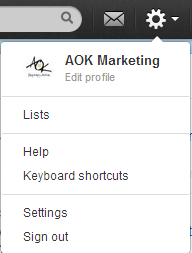
The screenshots throughout this guide show how Twitter profile customization looked when the original article was published. They remain useful as a record of how social media branding has evolved, but the current X interface is different. The updated guidance below explains how to optimize your X profile for business in 2026 without removing those original images.
Why Your X Profile Still Matters
Posting consistently is important, but your content and profile need to work together.
A useful post may encourage someone to click your name and learn more. Once they reach your profile, they should be able to understand your business without studying several weeks of posts.
A well-optimized profile can help you:
- Establish a recognizable brand identity.
- Explain your expertise and value clearly.
- Attract more relevant followers.
- Direct visitors to a website or landing page.
- Support networking and customer conversations.
- Build trust before a sales interaction begins.
Profile optimization alone will not create long-term growth. It gives your content, engagement, and outreach a stronger foundation. Your profile makes the first impression, while your ongoing activity determines whether people remain interested.
1. Use a Recognizable Profile Picture
The original article advised users to replace Twitter’s default profile image. That advice remains just as important today.
X recommends a profile image measuring 400 by 400 pixels, with a maximum file size of 2 MB. Supported formats include JPEG, GIF, and PNG.
For a business account, use a clear logo or recognizable branded icon. Avoid squeezing a long company name or detailed design into the small circular frame. Fine text may be unreadable when the image appears beside a post or reply.
For a personal brand, use a professional headshot with good lighting and a simple background. Your face should remain visible when the image is displayed at a small size.
Use the same or closely related profile image across your major social platforms. Consistent branding helps customers recognize the account and reduces confusion when multiple businesses have similar names.

2. Create a Header That Explains the Brand
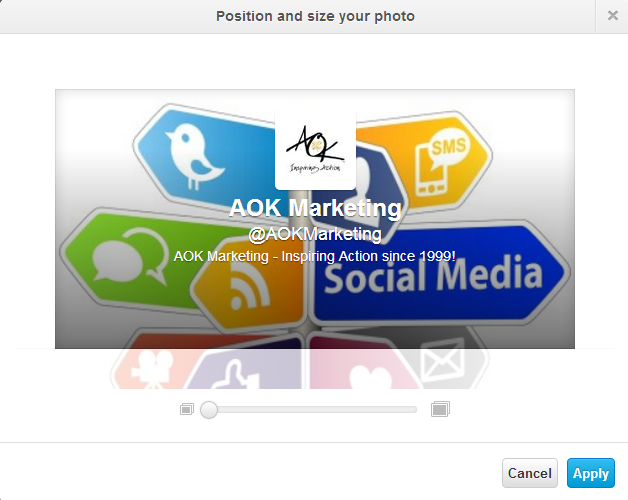
Your header image occupies more space than any other visual element on the profile. Use it to support the profile photo rather than repeating the same logo at a larger size.
X recommends header dimensions of 1500 by 500 pixels.
A business header may include:
- A clear value proposition.
- A product or service image.
- A campaign or event message.
- A recognizable brand design.
- A short description of the audience served.
Keep important text and visual details away from the far edges because image cropping may vary between desktop and mobile screens. The profile picture also overlaps part of the lower-left header area.
Do not overcrowd the image with several services, phone numbers, website addresses, social icons, and long paragraphs. The header should support the bio, not replace it.
Strong visual consistency matters across every social network. A profile header should use the same typography, colors, and visual language found on your website and other branded channels. The principles in our guide to creating the perfect post for major social media platforms can also help you maintain visual clarity across different content formats.
- Use an Accurate Display Name and Handle
Your display name and username serve different purposes.
The display name can include a person’s name, company name, or recognizable brand identity. X currently permits display names of up to 50 characters.
The username, also called the handle, appears after the @ symbol and can contain up to 15 characters.
Choose a handle that is:
- Easy to spell and remember.
- Closely connected to the business name.
- Free from unnecessary numbers or punctuation.
- Consistent with handles used on other platforms.
Avoid adding several promotional keywords to the display name. A natural business name with one useful descriptor may help visitors understand the account, but an overloaded name can appear unprofessional.
For example, “AOK Marketing | Digital Strategy” is clearer than a display name filled with unrelated service terms.
Do not change an established handle without a strong reason. Existing mentions, printed materials, website links, and customer habits may all depend on it.
4. Write a Clear and Useful X Bio
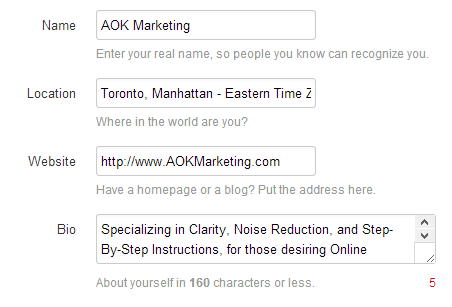
Your bio is one of the most important elements of X profile optimization. X allows a bio of up to 160 characters, so every word needs a purpose.
A strong business bio should answer three questions:
What do you do?
Name the core service, product, expertise, or subject area.
Who do you help?
Identify the audience, industry, location, or type of customer you serve.
Why should someone follow you?
Give visitors a reason to expect useful ideas, updates, insights, or resources.
A digital marketing agency might use:
Helping B2B companies improve search visibility, paid media and digital growth. Practical marketing insights from the AOK Marketing team.
A consultant could write:
Helping service businesses turn complex marketing data into clear growth decisions. Strategy, measurement and practical digital insights.
Avoid vague phrases such as “thought leader,” “guru,” “innovator,” or “passionate professional” unless the rest of the bio explains what those claims mean.
Your bio can contain a relevant keyword, but it should still sound like a natural introduction. Keyword stuffing will not make the account more persuasive.
Understanding your audience makes this task easier. A clear ideal customer profile can help you identify which problems, services, and outcomes deserve space in your bio.
5. Add a Relevant Location and Website
A location can provide useful context for local businesses, regional service providers, event organizers, consultants, and companies operating in specific markets.
Use a real service area rather than a clever phrase that customers may not understand. A local company could use “Toronto, Ontario,” while a business serving several markets might use “Toronto and New York.”
The website field should direct users to the most relevant destination. The homepage may be appropriate, but it is not always the strongest option.
Depending on your objective, you could link to:
- A service page.
- A campaign landing page.
- A current report or guide.
- A newsletter signup page.
- A booking or consultation page.
- A product collection.
- An event registration page.
Review the link regularly. A broken URL or outdated campaign page creates a poor experience and wastes attention from interested visitors.
Warm interactions on X may also create opportunities outside the platform. A strong profile and relevant website destination can support the type of relationship-building discussed in our guide to warm outreach that outperforms cold campaigns.
6. Pin a Post That Supports Your Current Goal
X allows an account to pin a post to the top of its profile. Visitors will see that post before moving through the rest of the timeline.
Use the pinned position deliberately. It should not be occupied indefinitely by an outdated announcement.
A useful pinned post might introduce the company, share a high-value guide, explain a service, present original research, promote an event, highlight a case study, or direct people to a current offer.
The post should support the promise made in your bio. For example, if your bio says that you share practical marketing advice, pinning an educational guide may be more convincing than pinning a generic company announcement.
Review the pinned post at least once a month and whenever the company’s priorities change.
Content that combines educational resources, current commentary, and original expertise is more useful than a timeline filled with repetitive promotions. Our explanation of base content, news, and thought leadership can help you decide what deserves prominent placement.
7. Make Recent Posts Consistent With the Profile
Visitors often review several recent posts before following an account. A strong header and bio cannot compensate for an abandoned or unfocused timeline.
Your recent activity should reinforce the subjects mentioned in the profile. A marketing company should not need visitors to scroll through dozens of unrelated posts before finding relevant expertise.
X’s current organic guidance recommends concise, conversational posts, clear calls to action when appropriate, and avoiding excessive hashtags or all-capital copy.
That does not mean every post needs to follow one formula. Your account can include observations, articles, replies, questions, videos, case studies, company updates, and customer resources. The common connection should be relevance to the audience.
The X For You algorithm also makes consistent topic signals and meaningful engagement increasingly important for marketers seeking visibility beyond their existing follower base.
8. Use Replies to Show Expertise and Personality
A profile is more than its static information. Your replies show how the person or company communicates when interacting with others.
Thoughtful replies can demonstrate knowledge, answer questions, add context, and build professional relationships. Empty responses such as “Great post” add little value.
Look for conversations in which your expertise is genuinely relevant. Contribute a useful example, practical observation, respectful disagreement, or follow-up question.
Do not turn every conversation into a sales pitch. People are more likely to remember an account that consistently provides value than one that inserts an offer into every discussion.
Helpful participation can build social currency, giving people a reason to mention, recommend, or share your account with others.
9. Review Trust and Account Information
Before actively promoting the profile, confirm that its public details are accurate and that the account is properly secured.
Check the company name, spelling, link, location, images, bio, and pinned post. Make sure anyone named in the bio is still involved and any offer being promoted is still available.
Businesses using professional-account features should maintain a complete and authentic profile. X’s professional account policy requires an account name, bio, and profile picture and states that the authentic identity should be clear.
Verification labels should also be understood correctly. X currently uses different checkmark colors for various account categories, including blue, gold, and gray labels. A checkmark should not replace clear branding, accurate information, and trustworthy activity.
10. Measure Whether the Profile Supports Business Goals
Follower growth is only one measure of profile performance.
A business should also consider profile visits, website clicks, replies, qualified conversations, mentions, leads, and conversions. The right metric depends on the role X plays in the wider marketing strategy.
X Analytics can show how audiences respond to posts and help businesses identify which content earns stronger interaction.
Compare activity over a meaningful period rather than judging the strategy by one post. Increasing profile visits without website clicks may indicate that the bio or destination needs improvement. Strong engagement from irrelevant users may show that the content is attracting the wrong audience.
The goal is not simply to make the account look busier. It is to connect profile activity to useful business outcomes. Understanding marketing return on investment can help the team separate visible activity from measurable value.
What Happened to Custom Twitter Backgrounds?
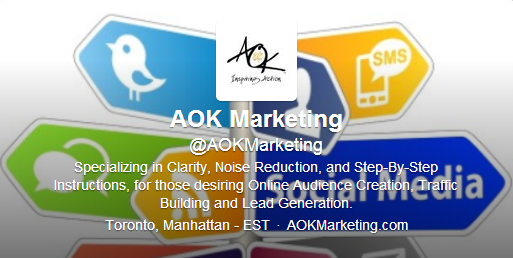
Several screenshots in the original article show custom Twitter backgrounds, design themes, and Themeleon tools.
These images should remain on the page because they document an earlier stage of Twitter branding. However, they should no longer be presented as instructions visitors can follow today.
The modern X profile editor centers on the profile picture, header image, display name, bio, website, location, and related details. The old full-page background customization shown in these screenshots is not part of the current standard profile-editing process.
A Look Back at the Original Twitter Profile Design Tools
Recommended gallery introduction:
The screenshots below appeared in the original version of this guide. They show how businesses customized Twitter profiles through older settings menus, page backgrounds, and third-party design tools. These options have since been replaced by the simpler profile and header system used on X today.
This approach preserves the original visual history without confusing readers searching for current instructions.
Common X Profile Mistakes to Avoid
A professional account can still lose credibility when the profile contains mismatched branding, an unclear bio, a broken website link, an outdated pinned post, or months of unrelated content.
Another common mistake is treating the profile as a one-time setup task. Business priorities, campaigns, team members, offers, and landing pages change. The account should change with them.
Schedule a quarterly profile review and check it immediately after any rebrand, website migration, service update, major campaign, or change in company positioning.
These issues are part of the wider group of digital marketing mistakes businesses should avoid. Small inconsistencies can weaken trust when they appear across several customer touchpoints.
Build a Profile That Gives People a Reason to Follow
Learning how to optimize your X profile is not about filling every field with promotional language. It is about making the account easy to understand and worth following.
Use a recognizable profile picture, a focused header, an accurate business name, a concise bio, and a relevant website link. Pin a post that supports your current goal, publish useful content consistently, and participate in conversations where your experience can add value.
Keep the historical screenshots on this page as examples of how Twitter branding has changed, but clearly separate them from the current X profile instructions.
A complete profile makes the business look prepared. Helpful posts and genuine engagement give people a reason to return. When those elements work together, X can support brand awareness, website traffic, professional relationships, and long-term customer trust.
For businesses that do not have the internal time to manage planning, publishing, engagement, and measurement, this guide to outsourcing social media management explains when outside support may be practical.
Final Thoughts
About The Author