Social commerce is changing how people discover, evaluate, and buy products online. For eCommerce brands, social media is no longer just a place to post updates or build awareness. It has become a powerful sales channel that can influence product discovery, website traffic, customer trust, and conversions.
Many business owners still wonder whether social media actually drives revenue. The answer is yes, when it is used with the right strategy. A strong social media for eCommerce approach can support every stage of the buyer journey, from first impression to final purchase.
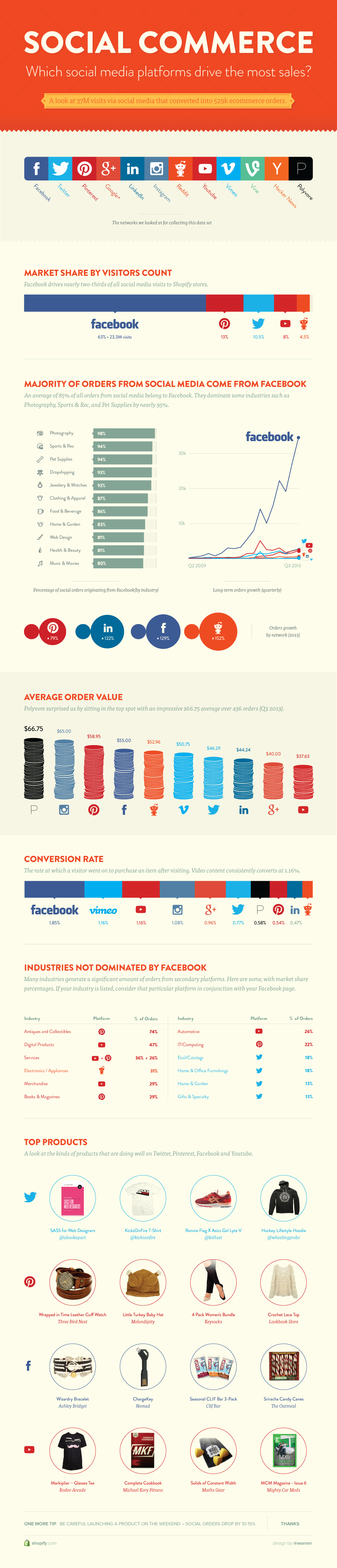
The infographic highlights data from 37 million visits through social media that led to 529,000 eCommerce orders. This shows that social media and eCommerce work best when they are connected through a clear digital marketing strategy.
What Is Social Commerce?
Social commerce is the use of social media platforms to promote products, drive traffic, and influence online purchases. It combines social media marketing with eCommerce marketing, helping brands reach customers where they already spend time.
This can include product posts, influencer content, customer reviews, shoppable posts, paid ads, videos, product demos, and social proof. Instead of waiting for shoppers to find your website, social commerce brings your products into the platforms people use every day.
For online stores, social commerce is important because it shortens the path between discovery and purchase. A customer may see a product on Facebook, Instagram, Pinterest, YouTube, or X, click through to a product page, and complete a purchase within minutes.
Why Social Media Matters for eCommerce
Social media matters for eCommerce because today’s shoppers use social platforms to discover products, compare brands, read comments, watch reviews, and get recommendations. Before buying, many customers want to see how real people interact with a product.
That is where social media builds trust. Product photos, customer reviews, user-generated content, videos, and influencer mentions can make an online store feel more credible. This trust can lead to higher engagement and stronger sales.
A good eCommerce social media marketing strategy helps brands stay visible, attract new shoppers, and bring previous visitors back through retargeting campaigns. When social media is used consistently, it becomes more than a traffic source. It becomes a growth channel.
Which Social Media Platforms Drive the Most Sales?
The infographic shows that Facebook drives a large share of social media visits and orders for eCommerce stores. This makes Facebook a strong platform for online retailers, especially for brands using targeted ads, product promotions, community engagement, and retargeting.
Pinterest is also valuable for product discovery. It works especially well for visual categories such as fashion, home decor, gifts, crafts, food, beauty, and lifestyle products. People often use Pinterest while planning purchases, which makes it useful for driving high-intent traffic.
YouTube supports eCommerce through product reviews, tutorials, unboxings, and demonstrations. Video content helps shoppers understand products more clearly, which can improve buying confidence.
X, LinkedIn, Reddit, and other platforms may not always drive the highest order volume, but they can still support brand awareness, customer conversations, product launches, and niche communities.
The best platform depends on your audience, industry, and product type. A fashion brand may perform well on Instagram and Pinterest, while a software or B2B eCommerce company may benefit more from LinkedIn and YouTube.
Social Commerce and Conversion Rates
Traffic alone does not guarantee revenue. An online store may get thousands of visitors from social media, but if the website is confusing, slow, or poorly designed, those visitors may not buy.
This is why eCommerce conversion rate optimization is essential. Social commerce works best when the customer journey is smooth from post to purchase.
Your product pages should be clear, mobile-friendly, and easy to navigate. They should include strong product descriptions, high-quality images, reviews, pricing, shipping information, and a clear call-to-action.
If customers click from a social post and land on a weak page, you may lose the sale. If they land on a page that answers their questions and builds trust, they are more likely to convert.
Average Order Value and Social Media ROI
Different platforms can produce different average order values. Some channels may send more traffic, while others may send fewer visitors but higher-value customers.
This is why businesses should measure more than likes and followers. To understand social media ROI for eCommerce, track metrics such as website visits, conversion rate, average order value, revenue by platform, customer acquisition cost, and repeat purchases.
A platform that generates fewer clicks may still be valuable if those clicks lead to higher-value orders. On the other hand, a platform with large traffic numbers may need better targeting or stronger landing pages if sales are low.
The goal is not just to be active on social media. The goal is to understand which platforms actually help your business grow.
How to Build a Strong Social Commerce Strategy
A successful social commerce strategy starts with knowing your audience. Understand where your customers spend time, what kind of content they engage with, and what information they need before making a purchase.
Next, create content that matches each platform. Do not post the same message everywhere without adjusting it. A product demo may work well on YouTube, a lifestyle image may perform better on Instagram, and a helpful buying guide may be useful on Facebook or Pinterest.
Use a mix of content types, including product highlights, customer testimonials, behind-the-scenes posts, short videos, educational content, seasonal promotions, and user-generated content. Strong content creation helps your brand stay useful, visible, and memorable.
You should also use paid campaigns strategically. Retargeting ads can bring back visitors who viewed a product but did not buy. Lookalike audiences can help you reach new shoppers similar to your existing customers. Product-based campaigns can promote bestsellers, new arrivals, or limited-time offers.
Why Product Pages Matter
Social media may bring people to your website, but your product pages close the sale. That means your product pages should be optimized for both users and search engines.
Strong product pages should include clear headlines, helpful descriptions, strong visuals, trust signals, customer reviews, shipping details, and simple checkout paths.
A good landing page or product page should answer key questions quickly:
- What is the product?
- Who is it for?
- Why should the customer buy it?
- What makes it different?
- Is the business trustworthy?
- What should the customer do next?
When these answers are clear, social traffic becomes much more valuable.
How Social Commerce Supports SEO
Social media activity may not directly replace SEO, but it can support search visibility in several ways. When people share your products, blogs, videos, and guides, more users discover your brand. This can lead to more website visits, brand searches, backlinks, and engagement.
Social platforms also help distribute helpful content. A strong SEO benefit comes from combining optimized website content with active social promotion. For example, a product guide can rank in search engines and also be shared on Facebook, Pinterest, LinkedIn, or X.
This creates multiple pathways for customers to find your business.
Final Thoughts
Social media and eCommerce are now deeply connected. Together, they create social commerce, a powerful strategy for driving product discovery, customer engagement, and online sales.
The data shows that social platforms can drive meaningful traffic and orders, but success depends on strategy. Brands need to choose the right platforms, create useful content, optimize product pages, track performance, and improve conversions over time.
For online stores, social commerce is not just about posting more often. It is about creating a smarter customer journey from social discovery to completed purchase.
When done well, social media for eCommerce can help your business increase visibility, attract better traffic, improve trust, and generate more sales from the platforms your customers already use every day.
Source: www.shopify.com
About The Author