
The challenge is knowing what to post consistently without turning your Facebook Page into a stream of repetitive promotions. The best Facebook content ideas for restaurants combine appetizing visuals, useful information, customer experiences, stories, and timely offers that give people a reason to notice and interact with your business.
Facebook also gives businesses several ways to present content, including posts, photos, video, Stories, and Reels through Meta Business Suite. This gives restaurants flexibility to match the format to the message instead of relying on one type of post for everything.
Start With Content Your Customers Actually Care About
Good restaurant content should answer a simple question: why would a customer care about this post?
People may want to see what a dish looks like before ordering, discover a special, understand how something is prepared, meet the people behind the restaurant, or find out what other customers recommend. When your posts regularly serve those interests, your Facebook presence becomes more useful than a digital noticeboard filled with advertisements.
This is where a broader social media strategy becomes valuable. Each post should have a purpose, whether that is building awareness, encouraging engagement, generating an order, promoting an event, or strengthening relationships with existing customers.

Show Your Best Menu Items
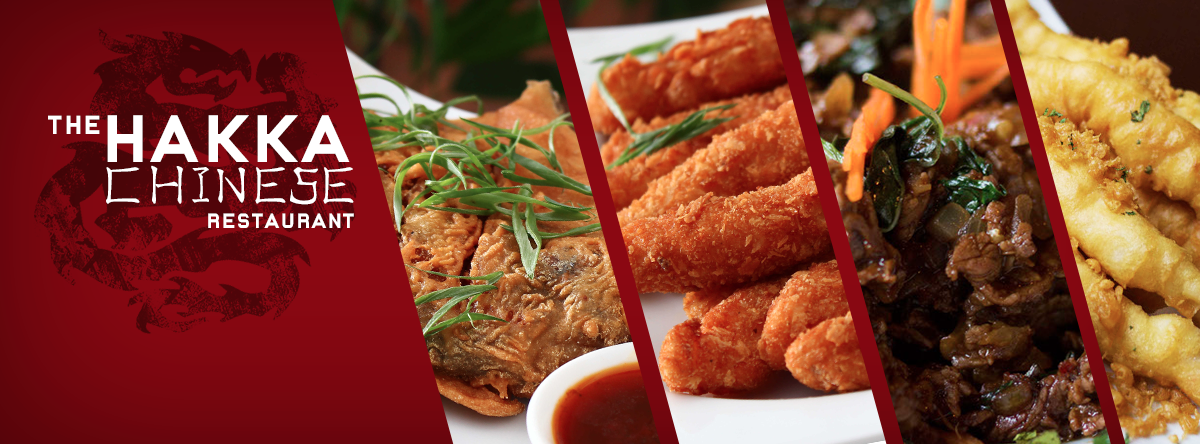
Food is the obvious star of a restaurant’s Facebook content, so give customers a close look at dishes they may want to order. Feature signature items, customer favorites, seasonal dishes, desserts, drinks, new additions, and combinations that photograph well.
The caption should add useful context instead of simply repeating the dish name. Mention an important ingredient, preparation method, flavor, serving suggestion, or reason the item is popular so customers learn something while seeing the food.
You can also build small content series around your menu. A weekly staff favorite, chef’s choice, featured dessert, or customer favorite gives you a repeatable concept without making every post feel identical.
Strong food photography helps, but expensive equipment is not a requirement for every post. Good lighting, clean presentation, thoughtful framing, and a clear focal point can make smartphone photography suitable for regular social content while professional photography can be reserved for major campaigns, menus, and brand assets.
Share Short Food Videos and Reels
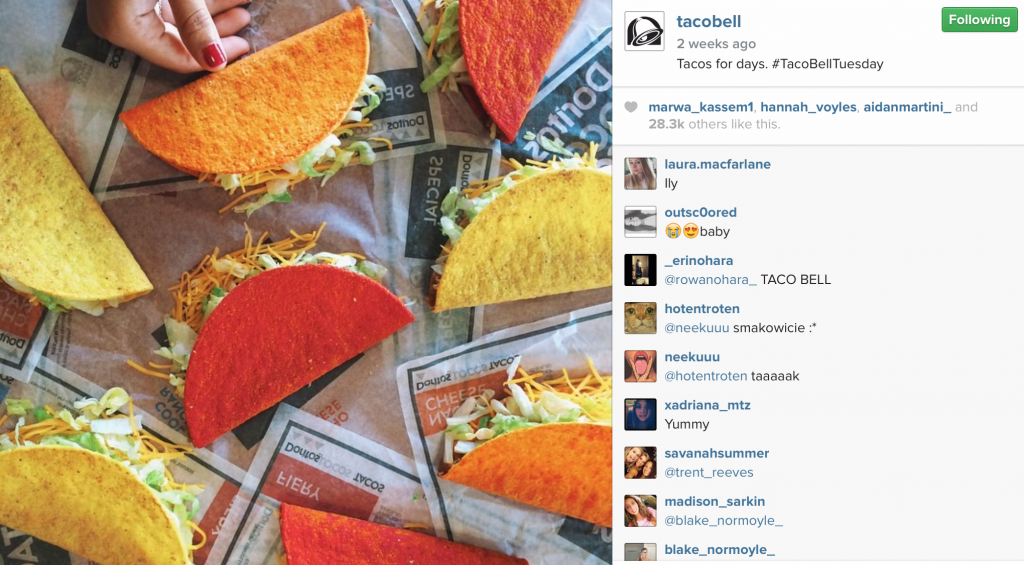
Movement can make food especially appealing. Cutting into a dessert, adding the final topping to a pizza, pouring a drink, plating an entrée, decorating a cake, or showing a dish moving from the kitchen to the table can create engaging short-form content.
Facebook Reels are supported within Meta’s current publishing tools, and Meta Business Suite allows businesses to manage posts, Stories, and Reels from the same environment.
Keep the concept simple. A short video showing one visually satisfying part of the preparation process can often communicate more effectively than trying to explain the restaurant’s entire menu in one clip.
Video content can also be reused thoughtfully across Facebook and Instagram when the audiences and creative format make sense. Meta Business Suite currently supports cross-platform publishing, which can make content management more efficient for businesses maintaining both channels.
Take Customers Behind the Scenes
Customers usually see the finished plate, but the work behind it can be just as interesting. Show the preparation process, kitchen organization, ingredients arriving, bread coming out of the oven, a chef testing a dish, or the team preparing before opening.
Behind-the-scenes content gives your restaurant personality without forcing you to manufacture complicated campaigns. It also gives customers a better sense of the people, care, and processes connected with the food they buy.
The content should still reflect your brand. A fine-dining restaurant may use polished kitchen footage, while a neighborhood café can feel more casual and conversational without losing professionalism.
Introduce the People Behind the Business
A restaurant is built around people as much as food. Introducing chefs, servers, bakers, baristas, managers, owners, or long-term employees can help customers feel more familiar with the business.
Staff features can explain someone’s role, favorite menu item, specialty, experience, or what they enjoy about serving customers. These posts become particularly useful for local businesses because regular customers may already recognize members of the team.
Avoid making employee content feel forced or overly staged. A genuine introduction with a good photograph and a few meaningful details usually provides more value than trying to turn every staff member into a social media personality.
Share Your Story
Every food business has stories that can create meaningful content. You might explain how the restaurant started, why a particular recipe matters, where the name came from, how a signature dish was developed, or why a particular style of cooking became part of the menu.
These stories make the business more memorable because they give customers context that cannot be communicated through a menu description alone. Family traditions, culinary influences, local connections, and lessons learned while building the business can all become useful storytelling material.
Keep these stories genuine. Your actual experiences are more valuable than invented narratives because authenticity helps customers understand what distinguishes your restaurant from another business serving similar food.
Feature Customer Reviews and Experiences
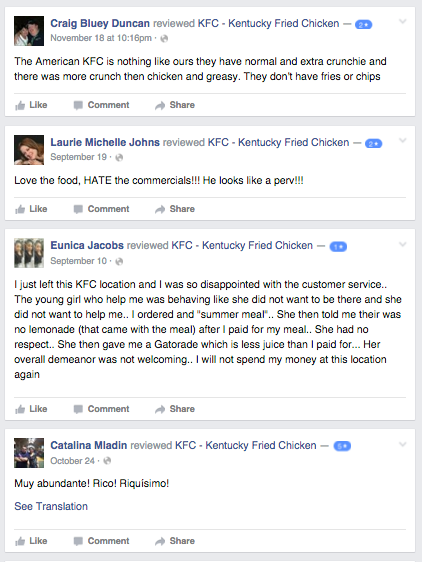
Customers naturally expect restaurants to describe their own food positively. Feedback from real customers provides another perspective and can strengthen trust when it is presented accurately.
A strong review can become a simple graphic, photo caption, or supporting element in a post about the dish the customer mentioned. You can also highlight customer experiences around birthdays, celebrations, events, or regular visits when you have permission to share them.
User-generated content can make this even more effective. A customer photo, Story mention, or meal shared by someone who genuinely visited can add a natural layer of social proof, and AOK Marketing’s guide to using user-generated content to strengthen customer relationships explains how these contributions can support a wider content strategy.
Always consider permission before republishing customer photos or other content. Giving appropriate credit also helps maintain a respectful relationship with the people who choose to share their experiences.

Promote Specials Without Making Every Post a Promotion
Specials and offers deserve space on your Facebook Page, but they should not dominate the entire content calendar. Customers who see nothing but discounts may eventually stop paying attention unless they are already ready to buy.
Use promotional posts when there is something specific worth communicating, such as a new item, seasonal menu, limited-time offer, lunch special, event package, catering option, or holiday availability. Include the important details customers need to act, particularly dates, availability, ordering instructions, and relevant terms.
You can also combine promotion with useful or appealing content. Instead of simply announcing a new dessert, show how it is prepared, introduce the person who created it, or explain the flavor inspiration before inviting customers to try it.
Use Seasonal Moments That Fit Your Restaurant
Seasonal content works best when there is a natural connection with what your business offers. Holidays, local events, weather changes, sporting events, school schedules, and community celebrations can all create relevant content opportunities.
A bakery might feature seasonal desserts, while a restaurant near a major venue could share information useful to customers visiting before an event. A café can highlight cold drinks during warm weather or comforting menu items as temperatures drop.
The important word is relevant. Chasing every trending topic can make a business look disconnected from its identity, while choosing moments that naturally connect with customers can make posts feel timely without being forced.

Share Recipes, Food Tips, and Useful Knowledge
You do not need to reveal your most valuable recipes to create educational content. Small cooking tips, ingredient explanations, serving suggestions, pairings, storage advice, or simple recipes related to your menu can give followers something useful.
A pizza restaurant might show how to make a simple dipping sauce, while a bakery could explain how to keep bread fresh. A café might demonstrate a basic drink preparation or explain the difference between two commonly confused menu items.
Educational posts also give your restaurant content that is not directly promotional. People may save or share useful information even when they are not planning an immediate purchase, helping the brand stay connected with customers between visits.
Keep Customers Updated on Your Menu
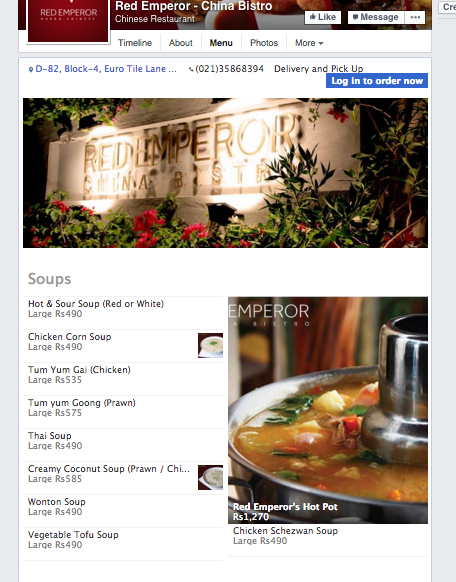
Customers should be able to find accurate information before placing an order or visiting. Facebook posts can highlight menu changes, but your main menu destination should remain easy to access and up to date.
When introducing an item, provide enough information for people to understand what makes it worth considering. A clear food image, dish name, short description, and link or instruction for ordering will usually be more useful than uploading an unreadable photograph of an entire printed menu.
Menu-related content is particularly effective when it helps people make a decision. Compare options, explain a new addition, feature popular combinations, or answer common questions instead of repeatedly reposting the complete menu without context.
Use Facebook Stories for Timely Updates
Some restaurant information is useful for a short period rather than as a permanent feed post. Stories can work well for daily specials, availability updates, behind-the-scenes moments, event reminders, quick polls, or a glimpse of what is happening during the day.
Meta currently allows businesses to create and manage Stories through Meta Business Suite. This can make Stories part of the same content workflow used for other Facebook and Instagram publishing.
A restaurant does not need to turn every update into a polished campaign. Stories can provide a more immediate layer of communication while your main feed carries content with a longer useful life.
Get Customers Involved in the Content
Facebook becomes more valuable when customers participate rather than simply scroll past each post. Build opportunities for conversation around subjects people can answer naturally.
You could ask customers to choose between two menu items, share their favorite dish, suggest a seasonal flavor, or tell you what they would order for a particular occasion. Poll-style posts can also help you learn what customers find interesting while creating material for future content.
Questions should have a genuine purpose. Repeatedly asking people to “comment below” without giving them an interesting reason to respond can quickly feel mechanical.
If you want to strengthen this part of your content strategy, AOK Marketing’s guide to increasing Facebook user engagement provides additional ideas for encouraging meaningful audience interaction.
Facebook Content Ideas for Restaurants: Build a Balanced Mix
A content calendar becomes much easier when you have a few repeatable categories rather than inventing every post from scratch. Depending on the restaurant, useful categories can include:
- Signature dishes and customer favorites
- Short preparation videos and Reels
- Staff and chef introductions
- Behind-the-scenes kitchen moments
- Customer reviews and user-generated content
- Specials, events, and seasonal offers
- Recipes, food tips, and ingredient education
- Restaurant stories and community involvement
You do not need to use each category equally. Review what your customers respond to and gradually build a mix that matches your restaurant’s personality, resources, and business goals.
Support Your Local Community
Restaurants have a strong connection with their surrounding community, and Facebook content can reflect that relationship. Local partnerships, charity events, neighborhood activities, supplier relationships, school programs, sponsorships, and community celebrations can all provide meaningful material.
This type of content works best when the involvement is genuine rather than treated as an excuse for publicity. Explain what happened, recognize the people involved, and give customers enough context to understand why the activity matters to your business.
Local visibility also extends beyond Facebook. Businesses that depend on nearby customers should connect their social presence with a broader strategy for expanding their local search footprint so that customers can discover accurate information across search and other digital channels.
Listen to What Customers Are Saying
Comments, reviews, messages, and social conversations can reveal useful information about what customers value. They may repeatedly praise a dish, ask the same question, request an option, or express confusion about information that should be easier to find.
Use those signals when planning content. If several customers ask whether you offer catering, that question can inspire a post explaining your catering options rather than answering the same question privately each time.
Social listening can help businesses organize this process beyond individual comments. AOK Marketing’s guide to effective social listening covers how customer conversations can inform wider marketing decisions.
Respond to Comments and Messages Professionally
Publishing content is only one part of Facebook marketing. Customers may use comments or messages to ask about hours, ingredients, reservations, availability, orders, events, or problems they experienced.
Respond clearly and professionally when a response is appropriate. If an issue requires personal information or a detailed resolution, move the conversation to a suitable private channel instead of turning a public comment thread into a customer-service dispute.
Positive comments deserve attention as well. A simple, genuine response can strengthen the relationship with someone who took the time to engage with the business.
When Should a Restaurant Use Facebook Ads?
Organic content can maintain relationships with existing followers and help people understand your restaurant, while paid promotion can extend selected messages to a wider audience. Meta specifically offers advertising solutions intended to help businesses drive outcomes such as online sales, in-store traffic, and customer acquisition.
Restaurants should not feel obligated to boost every post. Paid advertising makes more sense when there is a clear objective, audience, offer, destination, and method for evaluating whether the campaign produced worthwhile results.
For example, a restaurant might advertise a new location, catering service, event, seasonal promotion, reservation opportunity, or another offer with direct business value. Professional paid social media management can help connect creative, audience strategy, campaign structure, and measurement when paid campaigns become an important part of customer acquisition.
Measure More Than Likes
A high number of Likes can be encouraging, but it does not automatically mean a Facebook strategy is contributing to the business. The metrics that matter depend on what each post or campaign was designed to accomplish.
Pay attention to patterns such as reach, engagement, video viewing, clicks, messages, customer enquiries, and actions that can be connected with orders, reservations, event interest, or other relevant outcomes. Meta Business Suite provides tools for managing and reviewing published content across formats, which can help businesses compare how different types of posts perform.
You should also look at which subjects consistently earn meaningful responses. If customer stories repeatedly generate conversation while generic promotional graphics receive little attention, that information should influence what you create next.
Avoid Making Every Post Look Like an Advertisement
A restaurant Page becomes easy to ignore when every post contains a large promotional graphic, discount, phone number, and sales message. Customers follow food businesses because they are interested in the food and experience, not because they want a continuous stream of digital flyers.
Let strong photography and video do some of the work. Use captions to provide context, and reserve more promotional creative for moments when there is a genuine offer or announcement to communicate.
The same principle applies to branding. Your restaurant should remain recognizable through its voice, photography, presentation, and overall style without placing an oversized logo over every image.
Build a Content Calendar You Can Actually Maintain
Consistency is easier when content creation fits the reality of the business. A small restaurant with one person managing social media should not copy the publishing schedule of a national restaurant chain with a full creative team.
Plan around repeatable opportunities that already occur inside the business. Menu preparation, weekly specials, staff activities, customer feedback, events, seasonal dishes, and frequently asked questions can provide a steady source of content without requiring completely new campaigns every week.
Meta Business Suite also supports scheduling content, which can help businesses prepare posts and Stories around known promotions and events.
The goal is to create a sustainable system. A manageable flow of relevant content is more useful than an ambitious schedule that quickly becomes impossible to maintain.
Frequently Asked Questions About Facebook Marketing for Restaurants
What should a restaurant post on Facebook?
Restaurants can post menu highlights, food photography, short videos, Reels, behind-the-scenes content, staff introductions, customer experiences, seasonal specials, events, recipes, useful food tips, and stories about the business. The best mix depends on what customers respond to and what the restaurant wants Facebook to accomplish.
Content should provide more than promotions. Posts that help customers understand the food, people, experience, and personality of the restaurant can build a stronger connection around the business.
How often should a restaurant post on Facebook?
There is no universal posting frequency that fits every restaurant. Choose a schedule that allows you to publish worthwhile material consistently without sacrificing food quality, customer service, or the time needed to run the business.
Review performance and adjust the schedule based on your own audience. A smaller number of useful posts can be more effective than frequent content that becomes repetitive.
Should restaurants post videos on Facebook?
Video is useful when movement adds something to the content. Food preparation, plating, cooking, restaurant atmosphere, staff introductions, and short demonstrations can all translate naturally into video or Reels.
Meta Business Suite currently supports publishing and managing Reels alongside other Facebook content formats. Restaurants should still choose video because it suits the idea rather than using it for every message.
Should restaurants share customer photos?
Customer photos can provide authentic social proof when the content is appropriate and the restaurant has permission to reuse it. Give credit where appropriate and avoid assuming that a public post automatically means someone wants their content republished in the restaurant’s marketing.
Customer-generated material works especially well alongside your own professional food photography because it shows the experience from another perspective.
Should restaurants use Facebook Ads?
Facebook Ads can be useful when a restaurant has a clear goal such as promoting an event, reaching potential customers, supporting a seasonal offer, or driving another measurable business action. Meta offers restaurant advertising resources and broader advertising tools for customer acquisition and in-store activity.
Advertising should still be evaluated according to business results rather than impressions alone. Define what success means before spending money so the campaign can be measured properly.
What is the best type of Facebook content for a food business?
There is no single format that works best for every restaurant. Strong food photography may help customers discover dishes, short videos can make preparation processes engaging, customer content can build trust, and Stories can communicate timely updates.
Test several relevant formats and compare how your audience responds. The strongest content strategy is usually a balanced one built around the food, people, customers, and experiences that make the restaurant worth visiting.
Final Thoughts
The strongest Facebook content ideas for restaurants come from the business itself. Your dishes, staff, customers, kitchen, history, events, neighborhood, and daily experiences give you far more interesting material than generic trending posts or repetitive sales graphics.
Build a content mix that helps people see the food, understand the business, connect with the people behind it, and know when there is a reason to visit or order. When organic content, customer interaction, local visibility, and paid promotion work together, Facebook can become a useful part of the restaurant’s wider marketing strategy.
If your business needs help planning content or managing paid social campaigns, contact AOK Marketing to build a strategy around your audience, goals, and available resources. (Facebook)
About The Author