Pinterest can do much more than generate saves, impressions, and visual brand awareness. For businesses with the right audience and offer, Pinterest lead generation can turn search and discovery activity into email subscribers, inquiries, registrations, consultation requests, downloads, and other qualified actions.
Pinterest reported 631 million monthly active users in Q1 2026, an 11% year-over-year increase. More importantly for marketers, people use the platform to discover ideas, plan future actions, compare options, and find products and brands. That combination of discovery and intent gives businesses an opportunity to reach potential customers before they have finalized their decisions. (Pinterest Investor Relations)
Generating leads requires more than publishing attractive images. Your Pins, keywords, landing pages, offers, calls to action, tracking, and follow-up process need to work together as one conversion path.
Can Pinterest Really Generate Leads for a Business?
Yes, but the value of Pinterest depends heavily on audience fit, search intent, creative quality, and what happens after someone interacts with a Pin.
A person searching Pinterest for home renovation ideas, wedding planning resources, marketing templates, fitness programs, travel inspiration, financial planning ideas, beauty routines, or business resources may still be researching. A useful Pin can reach that person while they are forming preferences and guide them toward a resource, service, email list, consultation, or product.
This makes Pinterest particularly useful for businesses that can translate expertise, products, ideas, or services into visually discoverable content. It should still operate as part of a broader social media strategy rather than as an isolated source of traffic.
How the Pinterest Lead Generation Funnel Works
A Pinterest lead generation funnel usually begins with a search, recommendation, or promoted Pin. The visual attracts attention, the title and description establish relevance, and the destination gives the visitor a reason to take a meaningful next step.
For organic campaigns, that destination might be a landing page offering a guide, checklist, webinar, newsletter, consultation, quote, template, or other useful resource. Paid campaigns can also drive users toward website conversions, while eligible advertisers may have access to native Pinterest Lead ads that collect information through a form within Pinterest itself. (Pinterest Help)
The important point is that the Pin is not the final conversion. It is an entry point into the customer journey.
Start With the Right Lead Generation Offer
Before designing Pins, decide what a qualified prospect would actually be willing to exchange information for.
A service business might offer an assessment, quote, consultation, downloadable guide, or industry checklist. A B2B company might promote a report, webinar, template, case study, or email course. Ecommerce businesses can build leads through product alerts, guides, inspiration collections, offers, or email subscriptions.
Your offer should solve a specific problem connected to the searcher’s intent. A generic “Join our newsletter” message usually provides less motivation than a useful resource that clearly explains what the visitor receives.
The offer should also support your wider content strategy so the leads generated through Pinterest continue receiving useful information after the initial conversion.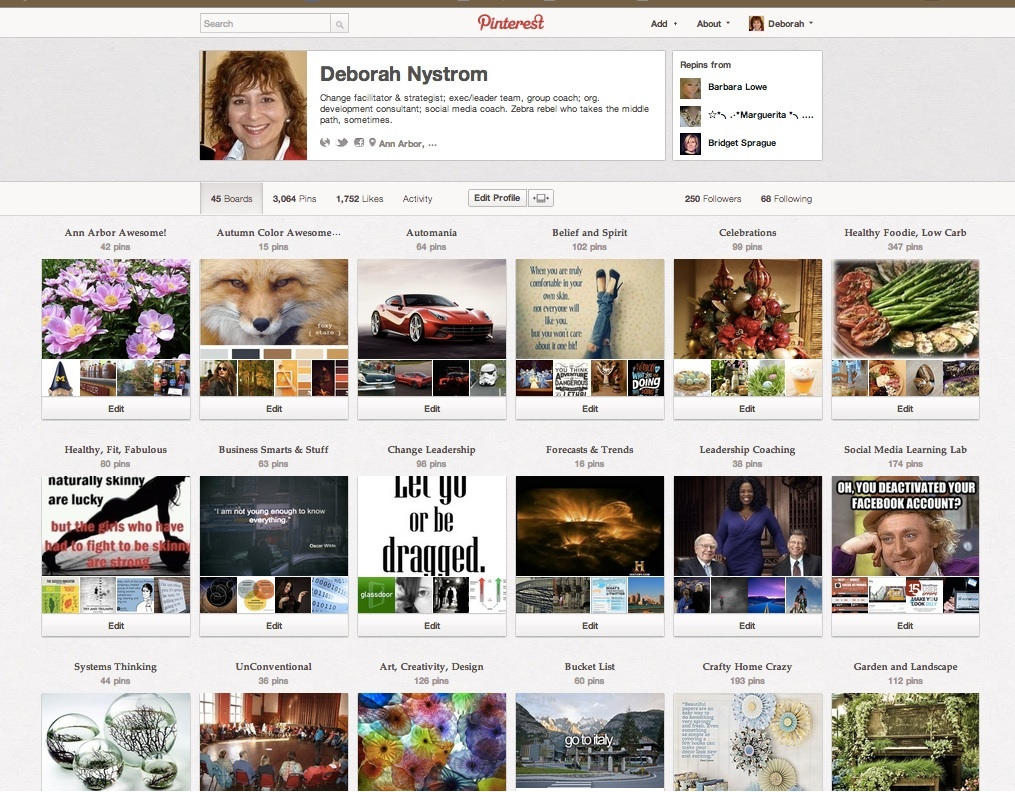
Use Pinterest Search Intent to Find Lead Opportunities
Pinterest functions as a discovery platform with strong search behavior. Pinterest recommends using relevant keywords in Pin titles and descriptions because those details help its systems understand content and surface it for appropriate searches. Pinterest Trends can also reveal what people are searching for across different demographics and regions.
Start with the problem or goal behind the search rather than broad category terms.
A wedding photographer, for example, could build content around wedding photo timelines, engagement photo ideas, venue inspiration, posing tips, or wedding planning checklists. A marketing company could target searches around content calendars, social media planning, lead generation, SEO checklists, or campaign templates.
Those searches reveal more about user intent than simply targeting broad words such as “photography” or “marketing.”
Pinterest also supports keyword targeting for advertising campaigns, allowing brands to connect ads with searches related to specific topics and interests.
Optimize Pins for Pinterest Search
Pinterest SEO begins by helping both users and Pinterest understand what a Pin is about.
Use a clear Pin title that reflects the topic rather than relying on clever wording alone. Write a natural description that explains what the user will find after clicking, and include relevant terminology without repeating keywords unnaturally.
Pinterest recommends completing available Pin fields, including relevant titles and descriptions, and adding topics when the option is available. These signals help Pinterest understand and distribute content to relevant audiences.
Boards should also have descriptive themes. A board called “Ideas We Love” provides little context, while “Small Business Marketing Ideas” or “Modern Kitchen Renovation Ideas” immediately communicates the subject.
The objective is discoverability, not stuffing keywords into every available field.
Create Pins That Earn the Click
Strong Pinterest lead generation creative has to accomplish two things: catch attention and set an accurate expectation.
Vertical visuals generally suit Pinterest’s browsing experience, but good design is about more than dimensions. Use clear imagery, readable text where appropriate, strong visual hierarchy, and enough context that someone can understand the value without studying the Pin.
A Pin promoting “10 Questions to Ask Before Hiring a Roofing Contractor” communicates a tangible benefit. A generic branded graphic saying “We Are Roofing Experts” provides much less reason to click.
Use different creative approaches for the same destination. A guide might be promoted through a checklist-style Pin, a question-based Pin, a visual example, and a short video. Testing multiple concepts helps identify which message resonates with the audience.
Connect Each Pin to a Focused Landing Page
Sending Pinterest traffic to a generic homepage makes the visitor work harder to find what was promised.
A person clicking a Pin for a downloadable checklist should land on a page specifically about that checklist. Someone responding to a consultation offer should reach a page explaining the service, who it is for, what happens next, and how to request the consultation.
Effective landing page design creates continuity between the Pin and the destination. Headlines, visuals, offers, and calls to action should make users feel that they arrived exactly where they expected.
Mobile experience matters as well because a difficult form, slow page, unclear button, or excessive navigation can lose a potential lead even when the Pinterest campaign itself performs well.
Use Clear Calls to Action
A Pin should make the next step easy to understand.
Depending on the offer, appropriate calls to action might encourage someone to download a resource, get the guide, register, request information, check availability, view a collection, receive an estimate, or schedule a consultation.
The destination page should continue that same action rather than abruptly changing the message. If a Pin promises a free checklist, the landing page should not immediately push an unrelated product.
A clear call-to-action strategy helps keep the journey focused from discovery through conversion.
Turn Pinterest Traffic Into More Than Clicks
AOK Marketing can help connect social content, landing pages, conversion strategy, and campaign measurement so your traffic has a clearer path toward becoming leads and customers.
BUILD A STRONGER DIGITAL MARKETING STRATEGY
Use Lead Magnets for Informational Pinterest Searches
Many Pinterest users are researching rather than preparing to contact a company immediately. Lead magnets give those visitors a lower-commitment way to begin a relationship with your brand.
A useful downloadable resource can convert informational searches into email leads while giving the business permission to continue the conversation through relevant follow-up content.
The strongest lead magnet solves the same problem that brought the visitor to the Pin. A “Home Remodel Budget Planner” naturally supports renovation searches, while a “30-Day Content Calendar” fits a user researching social media planning.
Once the lead arrives, nurture it with useful content rather than immediately overwhelming the subscriber with sales messages.
Pinterest Ads for Lead Generation
Paid Pinterest campaigns allow businesses to reach people beyond their organic audience using targeting based on factors such as demographics, interests, keywords, placements, customer data, and website activity. Pinterest also supports automated targeting options that can expand delivery using campaign signals.
Pinterest has a dedicated Leads campaign objective designed to encourage actions on a business’s website. Supported conversion events can include signup and lead actions, and advertisers can set campaign goals, budgets, attribution settings, and target CPA information.
Paid campaigns should still follow the same fundamentals as organic lead generation. The ad needs a relevant audience, compelling creative, a clear offer, a focused destination, and accurate conversion tracking.
How Pinterest Lead Ads Work
Pinterest also offers native Lead ads to eligible advertisers. These ads allow people to submit information through a form inside Pinterest rather than leaving the app or website.
Businesses can customize elements such as the call to action, form questions, description, privacy-policy link, and completion message. Pinterest says submitted responses can be accessed through Ads Manager or supported integrations, including Salesforce and Zapier.
Pinterest notes that Lead ads are not available to every advertiser, so businesses should confirm availability within their account before building a campaign around this format.
If Lead ads are unavailable, a website-based Leads campaign can still direct traffic toward a conversion-focused landing page.
Retarget People Who Have Already Shown Interest
Not every visitor converts after the first interaction.
Pinterest supports audience strategies built from first-party customer information and website visitor activity. Advertisers can use data from the Pinterest Tag or Conversions API to build targeting strategies around people who have previously interacted with the business. (Pinterest)
That creates opportunities to show more relevant creative to someone who visited a service page, downloaded content, viewed a product, or engaged with a particular part of the website.
Retargeting should reflect what the person already knows. Someone who has visited a detailed guide may respond better to a consultation or case study than another generic awareness message.
Track Pinterest Leads Correctly
Pinterest provides both organic and paid analytics, but lead-generation performance should be evaluated beyond impressions and saves.
The Pinterest Tag can track website actions such as newsletter sign-ups and other conversion events. Pinterest also offers a Conversions API that sends conversion data server-to-server and can support campaign optimization, targeting, and reporting. Pinterest recommends using the Conversions API alongside the Pinterest Tag where appropriate to improve visibility into conversion activity.
Pinterest Analytics can help brands understand which organic and paid content is resonating, including the content driving traffic from Pinterest to the website.
For lead generation, however, the business should ultimately connect platform performance to CRM or sales outcomes whenever possible.
Measure Lead Quality, Not Just Lead Volume
A campaign generating 200 form submissions is not necessarily stronger than one generating 50.
The 50 leads may be more relevant, more likely to answer follow-up communication, or more likely to become customers. Lead quality matters especially when a broad creative concept attracts people who enjoy the content but have little connection to the company’s actual offer.
Important Pinterest lead-generation metrics include outbound traffic, conversion rate, cost per lead for paid campaigns, lead quality, sales-qualified leads, and revenue or pipeline influenced by those leads.
This broader measurement approach is similar to evaluating marketing ROI rather than assuming that platform engagement alone demonstrates business value.
Improve Conversion Rates After the Click
If a Pinterest campaign attracts relevant visitors but few become leads, examine the conversion experience before assuming Pinterest is the problem.
The headline may not match the Pin. The form may ask for too much information. The page may load slowly on mobile. The offer may be weak, or the CTA may not be visible enough.
Regular conversion rate optimization can reveal where qualified Pinterest visitors abandon the journey. Even small improvements to forms, copy, trust signals, page structure, and CTA placement can increase the value of existing traffic.
Use Social Proof to Strengthen Pinterest Landing Pages
Pinterest users frequently discover brands they have not interacted with before, which means trust can influence whether a visitor becomes a lead.
Customer testimonials, reviews, case studies, recognizable clients, results with appropriate context, and authentic customer-created content can help reduce uncertainty. For brands with visual products or experiences, customer images and examples can also reinforce the promise made in the Pin.
A thoughtful user-generated content strategy can provide both Pinterest creative and supporting trust signals for the destination page.
Always obtain appropriate permission before using customer content in advertising or promotional material.
Common Pinterest Lead Generation Mistakes
A campaign can receive attention without producing meaningful leads when its strategy is disconnected from the conversion goal. Review these areas before increasing publishing volume or advertising spend:
- Targeting broad topics without considering the searcher’s actual intent.
- Sending every Pin to the homepage instead of a relevant landing page.
- Creating attractive visuals without a clear next step.
- Asking for too much information on the first form.
- Optimizing around impressions and saves while ignoring lead quality.
- Publishing keyword-stuffed descriptions that do not read naturally.
- Failing to install or validate conversion tracking.
- Treating every Pinterest visitor as ready to buy immediately.
The best Pinterest lead generation strategy connects discovery with a logical next action and gives the prospect enough value to continue the relationship.
Pinterest Lead Generation FAQs
Is Pinterest good for lead generation?
Pinterest can be effective for lead generation when the audience uses the platform to research topics related to the business. Strong results depend on relevant search intent, useful creative, an appropriate offer, a focused landing page, and accurate conversion tracking.
What types of businesses can generate leads from Pinterest?
Pinterest can work for both consumer and business-focused organizations when their audience searches for ideas, solutions, planning resources, inspiration, products, or educational information. Industries with highly visual topics have obvious opportunities, but service companies can also use guides, checklists, case studies, templates, and educational content.
Can you generate leads on Pinterest without advertising?
Yes. Organic Pins can direct people to landing pages, resources, contact forms, email sign-ups, and other conversion points. Search optimization and consistent useful content can help those Pins reach relevant users over time.
Does Pinterest have lead-generation ads?
Pinterest supports Leads campaigns for website-based conversion actions. Pinterest also offers native Lead ads that allow eligible advertisers to collect information through a form within Pinterest, although Pinterest states that Lead ads are not available to everyone.
What should a Pinterest lead-generation Pin link to?
Link to the page that best fulfills the promise made by the Pin. This could be a lead-magnet landing page, webinar registration, consultation page, service page, quote form, newsletter signup, product guide, or another relevant conversion destination.
How do you measure Pinterest lead generation?
Track both Pinterest performance and downstream business results. Useful metrics include outbound traffic, website conversions, conversion rate, paid cost per lead, qualified leads, sales opportunities, and revenue influenced by Pinterest-generated prospects.
Final Thoughts
Pinterest lead generation works best when discovery is connected to a deliberate conversion path. Relevant keywords help people find your content, useful Pins earn attention, strong offers create motivation, focused landing pages capture interest, and conversion tracking reveals what actually contributes to the business.
Pinterest’s scale also continues to expand. The platform reported 631 million monthly active users in Q1 2026, giving businesses access to a large audience using Pinterest to discover, plan, compare, and act.
The goal should not be to collect the largest number of saves or followers. Build a system that moves the right Pinterest users from discovery to a meaningful next step.
Turn Pinterest Attention Into Measurable Growth
AOK Marketing helps businesses connect content, social media, paid campaigns, landing pages, and conversion strategy into a more focused digital marketing program.
START BUILDING A BETTER LEAD GENERATION STRATEGY
About The Author