
Subscribe to our Blogs

    Jana Legaspi

    Jana Legaspi is a seasoned content creator, blogger, and PR specialist with over 5 years of experience in the multimedia field. With a sharp eye for detail and a passion for storytelling, Jana has successfully crafted engaging content across various platforms, from social media to websites and beyond. Her diverse skill set allows her to seamlessly navigate the ever-changing digital landscape, consistently delivering quality content that resonates with audiences.

    About Jana Legaspi

    Jana Legaspi is a digital marketing specialist, PR professional, writer, educator, and brand consultant with a strong focus on SEO, content systems, and AI-assisted marketing. She is a Content Specialist and Social Media & SEO Lead for AOKMarketing.com and PromotionalProducts.com, where she works closely with executive leadership on pillar content, entity-based SEO, and multi-channel growth strategies across multiple industries.

    Based in the Philippines, Jana operates at the intersection of search, content, PR, branding, and education, helping companies translate complex marketing strategy into clear, scalable execution—while also mentoring students through science and environmental education.

    Early academic foundation & passion for communication

    Jana studied at Ateneo de Manila University, where she developed a strong foundation in communication, research, and storytelling. Early in her career, she gravitated toward content creation, public relations, and digital media—combining creative execution with analytical thinking.

    Parallel to her marketing work, she became actively involved in education, eventually teaching Marine Science to Grades 5–6 and developing structured learning modules focused on Philippine marine ecosystems, conservation, and youth engagement.

    Building authority in SEO, content systems & digital strategy

    Jana’s core expertise lies in SEO-driven content development, content clustering, and digital brand positioning. At AOK Marketing, she contributes to SEO and content operations.

    She is also deeply involved in the content and branding strategy of PromotionalProducts.com, leading long-form blog development, seasonal campaign content, product storytelling, and B2B gifting narratives designed to drive organic growth and conversions.

    PR professional & brand partnerships

    Alongside her agency work, Jana is also a public relations professional (“PR girly”) and brand collaborator, with hands-on experience working with major consumer and beauty brands across campaigns, product launches, and influencer activations. Her portfolio includes collaborations with:

    • Dove
    • Celeteque
    • Sperry
    • Pond’s
    • And many other local and international brands

    Her PR work spansbrand storytelling, influencer partnerships, product seeding, campaign coverage, and consumer trust-building, giving her a dual perspective as both a strategist and a front-facing brand ambassador.

    Educator, environmental advocate & youth mentor

    Outside of agency and PR work, Jana serves as a Marine Science teacher, where she designs lesson plans on mangroves, seagrass, coral reefs, and biodiversity for elementary students. Her work bridges digital education, environmental awareness, and youth leadership, integrating technology into science instruction.

    She also participates in environmental outreach initiatives and youth-focused sustainability programs, aligning communication strategy with real-world conservation education.

    Creator, brand collaborator & digital storyteller

    Jana is also an active lifestyle and travel content creator, collaborating with global and local brands across:

    • Beauty & personal care
    • Tech
    • Wellness
    • Travel & tourism
    • Consumer products

    Her creator work blends storytelling, user-generated content strategy, influencer marketing, and brand amplification, giving her a practical, front-line understanding of short-form video, audience psychology, and social-driven growth.

    Credentials & Professional Highlights

    • Content Specialist and Social Media Manager at AOKMarketing.com
    • Content & Social Media Manager for PromotionalProducts.com
    • SEO-focused long-form content and pillar page specialist
    • Digital marketing strategist for North American B2B and service brands
    • Experienced in structured data, AI search optimization, and content clustering
    • Lifestyle, beauty, travel, and tech brand collaborator
    • Environmental education and youth outreach advocate

    FAQ About Jana Legaspi

    Who is Jana Legaspi?

    Jana Legaspi is a digital marketing strategist, PR professional, SEO and content specialist, educator, and brand consultant working with AOKMarketing.com and PromotionalProducts.com. She also teaches Marine Science and creates brand-driven and educational digital content.

    What is Jana Legaspi known for?

    She is known for her work in SEO-driven content systems, AI-aligned search optimization, and PR-led brand storytelling, as well as her ability to bridge strategy, content, and public-facing brand communication.

    What industries does she work with?

    Jana works with digital marketing agencies, B2B and e-commerce brands, promotional products companies, beauty and lifestyle brands, education programs, and environmental organizations across North America and Southeast Asia.

    Where is Jana based, and who does she work with?

    Jana is based in the Philippines and works remotely with AOK Marketing, supporting content strategy, branding, and SEO initiatives.

    Blog Posts

    October 13, 2023

    Jana Legaspi

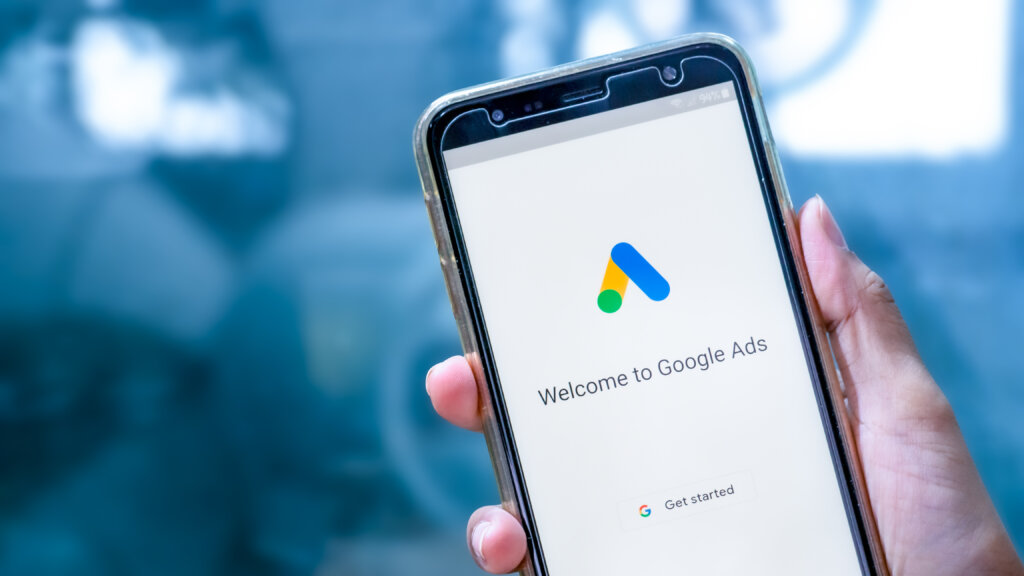
    In the swiftly changing world of digital marketing, the ability to draft impressively engaging Google Ad copy isn’t just desirable. It’s necessary.  A captivating, well-planned ad copy could astronomically enhance your brand’s online presence, influence click-through rates, and bolster conversion rates.  Consider your ad copy as the connecting link, the crucial bridge, if you will, between your offerings and your potential clients. It is this very connection that could transform an otherwise lost chance into a victorious sale.  This blog post strives to equip you with practical tips and strategies to create Google Ad copies that resound with your target audience and drive results. We will delve into understanding your audience, highlighting your unique selling proposition, using relevant keywords, writing clear and concise copy, incorporating strong calls to action, and more.  By the end of this guide, you’ll have a solid foundation to start creating effective Google Ad copies that attract clicks and convert visitors into customers.  Let’s dive in. Find Out Who Your Audience Is  Your ad’s relevancy and user engagement, the alpha and omega of effective marketing campaigns, rest upon understanding your target audience. This concept reigns king in revolutionizing the magnificence of Google Ad copy.  Garnering valuable insights into the audience’s desires, lifestyle, and behavioral patterns escalates the success ladder of your ads.  With this knowledge in hand, it is possible to mold the language of your ad copy, catering to the likes wants – and, more significantly – to meet the pain points of the potential viewer.  Thus enhancing your ad’s relevancy and user engagement, vying for success in the competitive digital marketing realm. Here are some practical tips to help you identify and understand your audience: Define your ideal customer: Start by creating a detailed profile of your ideal customer. This should contain demographic information such as age, gender, location, income level, and psychographic details like interests, values, and behaviors. Conduct market research: Use surveys, interviews, and focus groups to gather insights about your target audience. Look for patterns and trends in their purchasing behavior, product preferences, and feedback. Analyze your competitors: Look at who your competitors are targeting. Understanding their audience can provide valuable insights into your own. Use Google Analytics: This tool provides a myriad of data about your website visitors, including their demographics, interests, and behaviors. Use this information to refine your understanding of your audience. Test and refine: Remember that understanding your audience is an ongoing process. Continuously test your assumptions, gather feedback, and adjust your approach based on your findings. By investing time and effort in understanding your audience, you can craft Google Ad copy that speaks directly to them, increasing the likelihood of engagement and conversion. Highlighting the Unique Selling Proposition (USP) In the crowded online marketplace, differentiating your product or service is crucial. Your Unique Selling Proposition (USP) sets you apart from the competition and gives potential customers a compelling reason to choose you over others.  In your Google Ad copy, your USP should be a focal point. Here’s why it’s important: Stand out: A strong USP helps your ad stand out in search results, grabbing the attention of potential customers. Resonate with customers: When your USP aligns with what your target audience wants or needs, it resonates with them, making them more likely to click on your ad. Drive conversions: A compelling USP can influence potential customers to take action, increasing your conversion rates. To effectively highlight your USP in your Google Ad copy, consider these tips: To illustrate, let’s look at some practical examples of USPs in Google Ad copies: “Free next-day delivery on all orders” – This USP addresses a common customer pain point: waiting for deliveries. It also provides a clear benefit: fast, free delivery. “Award-winning cybersecurity software” – This USP leverages third-party validation to establish credibility and trust. “Custom-designed furniture made to order” – This USP highlights the personalized service and quality craftsmanship, appealing to those looking for unique, tailored products. Using Relevant Keywords In Google Ads, keywords play a pivotal role. They act as the connective tissue between what people are searching for and the content you provide to meet that need. When a user’s search query matches your chosen keywords, your ad has the potential to appear in their search results. Consequently, selecting high-quality, relevant keywords for your ad campaign is crucial to reaching the most interested users. Here’s why keywords are essential: Relevance: Keywords define how relevant your ad is to a user’s search query. The more relevant your keywords, the more likely your ad will be displayed. Visibility: Effective keyword usage can increase your ad’s visibility, ensuring it reaches the right audience at the right time. Cost-effectiveness: Google uses Quality Scores to determine where your ad appears and your cost per click. Relevant keywords can improve your Quality Score, making your advertising efforts more cost-effective. To leverage the power of keywords in your Google Ads, consider these tips: Conduct keyword research: Use apps like Google Keyword Planner to find keywords relevant to your product or service. Search for keywords with a high search volume and low competition. Understand user intent: Keywords should align with what your target audience is likely to look for. Consider the intent behind potential search queries – are users looking to buy, research, or compare? Use long-tail keywords: These are longer, more specific keyword terms that visitors are more likely to use when closer to making a purchase or when using voice search. Monitor and adjust: Regularly review the performance of your keywords and make necessary adjustments. Remove underperforming keywords and test new ones to optimize your campaign continuously. Overall, using relevant keywords is integral to the success of your Google Ads. By performing thorough keyword research and regularly monitoring your keyword performance, you can ensure your ads reach the most relevant users and drive valuable conversions. Writing Clear and Concise Copy In the realm of online advertising, clarity and brevity are key. Users often skim through content quickly, so it’s essential that your message is concise and easy to understand. A clear and concise ad copy can effectively communicate your value proposition, catch the reader’s attention, and prompt them to take action. Here’s why brevity and clarity in ad copy are important: User Attention: Internet users have a short attention span. Clear and concise copy ensures your message is understood quickly. Message Understanding: Complex or lengthy messages may confuse readers. Simplicity aids understanding and retention. Action Prompting: A clear call to action (CTA) can guide users towards the desired action, increasing conversion rates. To illustrate, let’s look at some examples of clear and concise ad copies: Everlane: “Ethical factories. Radical Transparency. Timeless fashion.” – This ad copy is short and to the point, clearly communicating Everlane’s unique selling propositions. Dollar Shave Club: “A great shave for a few bucks a month.” – This copy is simple, direct, and highlights the primary benefit to the customer: saving money. MailChimp: “Send better email. Sell more stuff.” – This ad copy is incredibly concise yet effectively communicates the benefits of using MailChimp’s service. Writing clear and concise ad copy is crucial in online advertising. By ensuring your message is easily understood and prompts action, you can increase the effectiveness of your ads and boost your conversion rates. Incorporating a Strong Call to Action (CTA) A Call to Action, commonly referred to as a CTA, is a directive to the audience designed to provoke an immediate response. It’s typically expressed as a command or action phrase, like “Buy Now!” or “Sign Up Today.”  In the context of Google Ads, CTAs are critical because they guide your audience toward taking the desired action, thus leading to higher conversion rates. Here’s why CTAs are essential: User Guidance: A clear CTA tells users what action you want them to take after reading your ad. Conversion Boost: A compelling CTA can persuade users to click on your ad, visit your website, and ultimately make a purchase or complete a form. Performance Measurement: CTAs provide a concrete way to measure the effectiveness of your advertising efforts based on how many users follow through with the desired action. To create compelling CTAs for your Google Ads, consider these tips: Use action-oriented language: Start your CTA with a strong command verb. For instance, if you want users to download a guide, start your CTA with “Download.” Create a sense of urgency: Prompt users to act swiftly by adding urgency to your CTA. Phrases like “Limited Offer” or “Buy Now” can stimulate immediate action. Provide a clear benefit: Users are more likely to act if they know what’s in it. Make sure your CTA communicates the value or benefits the user will receive. Make it stand out: Your CTA should be visually striking within the context of your ad. This could be achieved using a different color, bold text, or larger font size. Incorporating a strong CTA into your Google Ad copy is a strategic move that can guide your audience toward the desired action, boost your conversion rates, and provide a tangible way to measure the success of your ad campaign. Utilizing Emotional Triggers Emotional triggers are significant factors that can influence consumer behavior. They are feelings that prompt a person to take action, often leading to a purchase decision. Employing these triggers in your advertising copy can stimulate an emotional response in your audience, compelling them to engage with your brand and potentially boosting your conversion rates. Here’s why emotional triggers are important: Prompt Action: Emotional triggers can prompt instant action by appealing to the individual’s feelings at a given moment. Drive Engagement: By stimulating an emotional response, you can increase engagement with your ad, leading to higher click-through rates. Boost Conversions: When used effectively, emotional triggers can persuade consumers to make a purchase or complete a form. Here are some practical tips on using emotional triggers in your ad copies based on the search results: Fear: This trigger can stimulate immediate action. For example, using phrases like “Limited Time Offer” can create a Fear of Missing Out (FOMO) and prompt quick purchases. Trust: Building trust is crucial in any customer relationship. Use your ad copy’s testimonials, reviews, or endorsements to establish credibility and foster trust. Instant Gratification: Many consumers seek immediate satisfaction. Highlight speedy service, instant access, or quick results to tap into this desire. Value: Emphasize the benefits, savings, or exclusive features your product or service offers. Show customers what they stand to gain by choosing you. Belonging: People naturally want to fit in. Use language that fosters a sense of community or belonging, such as “Join our community of happy customers today.” Remember, the key is to understand your audience and their emotional triggers. Tailor your messaging to resonate with these feelings and guide them toward the desired action. Testing and Optimizing Your Ad Copy Even the most well-crafted ad copy can benefit from optimization.  This is where A/B testing comes into play.  A/B testing, also known as split testing, involves comparing two versions of an ad to determine which performs better. It’s a crucial method for optimizing your ad copy to ensure it resonates with your audience and drives the desired action. Importance of A/B Testing in Optimizing Ad Copies: Performance Improvement: A/B testing allows you to fine-tune your ads for better performance. You can create more effective ad copies by identifying what works and what doesn’t. User Insight: These tests provide valuable insights into your audience’s preferences and behaviors, helping you understand what appeals to them. Risk Reduction: By testing changes on a small audience before implementing them broadly, you can reduce the risk of negatively impacting your ad performance. How to Effectively Conduct A/B Tests: Identify Your Goal: Before starting your A/B test, determine what you want to achieve. This could be increasing click-through rates, boosting conversions, or improving engagement. Create Variations: Develop two versions of your ad copy. Change only one element at a time (such as the headline, CTA, or image) so you can attribute any performance differences to that specific change. Split Your Audience: Divide your audience into two random groups. One will see version A, and the other will see version B. Run Your Test: Launch both versions of your ad simultaneously to avoid any external factors influencing the results. Analyze the Results: After running the test for a sufficient period, analyze the data. Look for statistically significant differences in performance between the two versions. Implement Changes: Apply the winning elements from your test to your ad copy. Remember, optimization is a continuous process. Regularly conduct A/B tests to improve your ad performance continually. A/B testing is a robust tool for optimizing your ad copy. By systematically testing different versions of your ads, you can gain valuable insights, improve performance, and drive more successful ad campaigns. Keeping Up with Google Ad Trends In the ever-evolving world of digital marketing, staying updated with Google Ad trends is of paramount importance.  These trends provide valuable insights into changes in consumer behavior, emerging technologies, and shifts in the advertising landscape. By keeping track of these trends, you can adapt your strategies to stay ahead of the competition and maximize your ad performance. Why It’s Important to Stay Updated: Consumer Behavior: Google Ad trends often reflect shifts in consumer behavior. You can tailor your ads to meet evolving consumer needs and preferences by staying updated. Competitive Edge: Understanding the latest trends can give you a competitive edge, enabling you to leverage new features or tactics before your competitors do. Improved Performance: By incorporating current trends into your strategy, you can improve the performance of your ads and achieve better results. Here are some tips on how to keep track of Google Ad trends: Follow Industry Blogs and News Sites: Websites like Search Engine Journal, Moz, and the official Google Ads blog regularly publish articles about the latest trends and updates. Attend Webinars and Conferences: These events often feature industry experts who share their insights on the latest trends and best practices. Use Google’s Tools: Google provides various tools like Google Trends and Google Alerts that can help you stay informed about industry trends. Join Online Communities: Platforms like LinkedIn groups or Reddit subreddits can be a great place to discuss trends and get insights from other professionals in the field. Continual Learning: Digital marketing courses and certifications like those offered by Google’s Skillshop can keep you updated on the latest strategies and techniques. Remember, the world of Google Ads is dynamic and constantly changing. By staying informed about the latest trends, you can ensure that your ad strategy remains effective and relevant. Understanding Google’s Ad Policies Google’s ad policies are designed to ensure a safe and positive experience for users and advertisers. They are rules that govern what content can be advertised, how it can be displayed, and where it can lead users.  By understanding and complying with these policies, you can avoid ad disapprovals or suspensions, ensure your ads reach your target audience, and maintain a positive brand reputation. Why Google’s Ad Policies Matter: User Experience: Google aims to provide its users a safe, relevant, and helpful experience. Ads that violate these policies can lead to a poor user experience. Brand Reputation: Violating Google’s ad policies can harm your brand’s reputation, as users may associate your brand with untrustworthy or inappropriate content. Ad Approval: All ads must comply with Google’s policies to be approved. Non-compliance can lead to your ads being rejected or your account being suspended. Here are some key Google ad policies and tips to ensure your ad copy complies: Prohibited Content: Google prohibits advertising counterfeit goods or dangerous products. Ensure your products are authentic and safe for consumers. Technical Requirements: Ads must meet certain technical requirements, including image and video quality. Avoid using images that are sideways or of poor quality. Malicious Software: Google prohibits ads that lead to sites with malicious software. Ensure your website is secure and free from any harmful software. Unwanted Software: Any software promoted through Google Ads should be clearly disclosed and easily removable by the user. Privacy and Data Collection: Google has strict privacy and data collection policies. Ensure your ad practices are transparent and respect user privacy. Remember, these are just a few of Google’s ad policies. Be sure to familiarize yourself with all of them to avoid potential issues. Learning from Successful Google Ad Examples Learning from successful ad copies is a proactive approach to improving your own advertising strategies. These successful examples can provide invaluable insights into what works and what doesn’t, helping you understand how to effectively engage your audience, drive conversions, and achieve your marketing goals. Why Learning from Successful Ad Copies is Important: Benchmarking: Studying successful ads allows you to set a benchmark for your campaigns regarding content, design, and performance. Inspiration: These ads can serve as a source of inspiration, sparking new ideas for your own campaigns. Understanding Best Practices: Analyzing successful ads helps you understand industry best practices and trends, which you can incorporate into your strategies. Let’s now analyze some successful Google Ad examples: Everlane: Ad Copy: “Free Shipping on Orders Over $75 – Shop Everlane Now” Why It Works: This ad copy is clear and concise, with a strong call to action encouraging customers to shop. The offer of free shipping is a powerful incentive that can drive clicks and conversions. Codecademy: Ad Copy: “Learn to Code – Free Interactive Lessons From Codecademy” Why It Works: This ad copy emphasizes the value proposition – free, interactive coding lessons. It clearly communicates what the user can expect, making it more likely for them to click on the ad. Airbnb: Ad Copy: “Book Unique Homes & Experience a City Like a Local.” Why It Works: This ad copy appeals to travelers seeking unique, local experiences. The use of the word “unique” differentiates Airbnb from other accommodation providers. Learning from successful Google Ad examples can significantly enhance your own ad strategies. By analyzing what works for others, you can adopt effective techniques and practices to create compelling ad copies that resonate with your target audience. In Conclusion Let’s recap the key points we’ve covered: Staying updated with Google Ad trends is crucial in understanding shifts in consumer behavior and the advertising landscape. Tools such as industry blogs, webinars, Google’s own tools, online communities, and continuous learning can help you stay ahead of these trends. Understanding Google’s ad policies ensures your ads are approved, provides a positive user experience, and maintains your brand reputation. It’s important to be aware of prohibited content, meet technical requirements, avoid malicious software, respect privacy and data collection rules, and provide clear, transparent information. Learning from successful Google Ad examples can provide invaluable insights into effective advertising strategies. Studying successful ads allows you to set a benchmark, draw inspiration, and understand best practices. We encourage you to apply these tips to your Google Ad campaigns. Remember, digital marketing is an ever-evolving field. By staying informed, understanding the rules, and learning from successful examples, you can continually improve your strategies and achieve better results. Have you had any experiences with Google Ads that you’d like to share? Or perhaps you have questions about something we’ve discussed?  We invite you to leave your comments below.  

    October 11, 2023

    Jana Legaspi

    In the dog-eat-dog world of residential painting, the need to differentiate yourself is paramount.  How does one accomplish this feat?  The most efficient route is the superhighway of digital marketing. As the internet persists to permeate every aspect of society, an increasing number of individuals are seeking services through online channels.  Thus, a robust digital footprint has become a necessity for the triumph of a home painting venture. This blog piece aims to act as a weave of insights into digital advertising exclusively tailored for home painters. We will be unlocking the core components that constitute an advantageous digital marketing strategy. This comprises crafting a top-notch website, capitalizing on social media platforms, exploiting email marketing, curating engaging content, and navigating the world of Pay-Per-Click (PPC) advertising. Furthermore, we’ll bestow upon you tactical maneuvers and recommendations you can weave into your own enterprise, acquaint you with triumphant accounts from the arena, point out common tripwires to avert and deliver an inventory of necessary tools and resources. Whether you’re on the threshold of your home painting practice or wish to amplify your current marketing crusades, this guide seeks to arm you with the comprehension and acumen to sail through the digital seas properly. Together, we’ll embark on this voyage to extend your grasp, liftoff your home painting firm to novel altitudes, and embolden you against the backdrop of your competitors’ landscapes. Understanding Digital Advertising Digital advertising, at its core, is the process of delivering promotional content to users through various online and digital channels. These pipelines range from search engines and social media platforms to websites and email. The primary goal is to reach potential customers where they spend a significant portion of their time: online. In today’s digital age, advertising has evolved beyond print ads and billboards. With the internet and digital technologies at our fingertips, businesses have a unique opportunity to reach a much broader audience more efficiently. The significance of digital advertising cannot be overstated. Here are a few reasons why it is essential in today’s market: Reach: Digital advertising allows you to reach potential customers on a global scale or target specific demographics, locations, and even behaviors. Cost-Effective: Compared to traditional advertising strategies, digital advertising can be much more cost-effective, allowing businesses of all sizes to reach more people with less money. Measurable: One of the biggest benefits of digital advertising is the ability to track and measure your results in real time. This implies you can quickly adjust your strategy if something isn’t working. Engagement: Digital advertising platforms offer unique ways to engage with your audience, such as interactive ads, two-way communication, and social sharing capabilities. Precision Targeting: With digital advertising, you can use precise targeting to reach your ideal customers. This includes demographic information, user behavior, and personal interests. In conclusion, understanding and effectively leveraging digital advertising is crucial for any business to thrive in the current market landscape. By harnessing the power of digital advertising, businesses can expand their reach, engage with customers on a more in-depth level, and ultimately drive more sales.  As we move further into the digital age, these strategies will only become more important. Key Components of Effective Digital Advertising for Home Painters Digital advertising is a multifaceted discipline that requires a well-rounded approach. Here are the key components that home painters should focus on to craft an effective digital advertising strategy: Website Optimization Your website serves as your online storefront. It should be visually attractive, easy to navigate, and optimized for search engines. Key elements include: Professional Design: Showcase your work with high-quality images and a clean, modern design. SEO (Search Engine Optimization): Use suitable keywords in your content and meta tags to enhance your visibility on search engines. Mobile-Friendly: Ensure your website is responsive and looks great on all devices. Fast Loading Times: Slow websites can turn visitors away. Optimize your site speed to provide a seamless user experience. Social Media Presence Having a powerful presence on social media platforms can help you engage with your community, showcase your work, and attract new customers. Key platforms include: Instagram: This visual platform is perfect for showcasing before-and-after photos of your painting projects. Facebook: Create a business page to share updates, collect reviews, and engage with your audience. LinkedIn: Connect with other professionals and share industry-related content. Email Marketing Email marketing authorizes you to keep in touch with past clients and potential customers: Newsletter: Send regular updates, special offers, or helpful tips to keep your business top-of-mind. Personalized Emails: Tailor your communication to individual clients based on their needs or interests. Content Marketing Creating valuable content can help establish you as an expert in your field: Blog Posts: Write informative articles about home painting tips, color trends, or how-to guides. Videos: Create instructional videos or project walkthroughs to engage your audience. Pay-Per-Click (PPC) Advertising PPC advertising can help you reach a larger audience: Google Ads: Bid on keywords related to home painting to appear at the top of Google search results. Social Media Ads: Run targeted ads on platforms like Facebook and Instagram to reach potential customers. Practical Tips and Strategies Let’s delve deeper into each key component of effective digital advertising for home painters, offering practical tips, strategies, and examples. Website Optimization Your website is your digital business card. Here’s how to make it shine: Professional Design: Highlight your best work through high-quality images and a sleek design. Consider hiring a professional if needed. SEO: Research keywords related to home painting services in your area. Include these key phrases into your content, meta tags, and image descriptions. Mobile-Friendly: Test your website on various devices to ensure it looks good and functions well on all platforms. Fast Loading Times: Optimize images and use a reliable hosting service to ensure fast loading times. Tools like Google PageSpeed Insights can help identify areas for improvement. Social Media Presence Social media is a powerful tool for engaging with your audience and showcasing your work. Here’s how to maximize its potential: Instagram: Regularly post high-quality images of your completed projects. Use relevant hashtags to reach a wider audience. Consider ‘before and after’ posts to showcase transformations. Facebook: Keep your followers updated with news, promotions, and behind-the-scenes insights. Encourage satisfied customers to leave reviews. LinkedIn: Connect with other professionals in your industry. Share informative articles or industry news to position yourself as an expert. Email Marketing Email marketing is an excellent way to maintain contact with past clients and attract new ones. Here’s how: Newsletter: Send out a monthly newsletter with updates, special offers, and home painting tips. Tools like Mailchimp can help manage your email list and design professional-looking newsletters. Personalized Emails: Use a CRM system to segment your email list and send personalized messages based on past interactions. Content Marketing Content marketing helps establish your expertise and attract organic traffic. Here’s how to create compelling content: Blog Posts: Write helpful articles on topics like choosing the right paint color or maintaining painted surfaces. Advertise your blog posts on social media and in your newsletter. Videos: Create how-to videos or project walkthroughs. Share these on your website, social media, and YouTube. Pay-Per-Click (PPC) Advertising PPC advertising can drive immediate traffic to your website. Here’s how to get started: Google Ads: Use Google Keyword Planner to find relevant keywords. Set a budget and start bidding on those keywords. Social Media Ads: Run targeted ads on Facebook or Instagram. Experiment with different ad formats and targeting options to see what works best. Remember, the key to a successful digital advertising strategy is testing and tweaking. Monitor your results, adjust your strategies as needed, and stay up-to-date with the latest digital marketing trends. With time and effort, you’ll see your online presence grow and your business thrive. In Conclusion Digital advertising is no longer optional; it’s a necessity for businesses, including home painters, to flourish in today’s digital age. Let’s recap the key components of an effective digital advertising strategy: Website Optimization: Your website is your virtual storefront. Prioritize professional design, SEO, mobile-friendly interface, and fast loading times. Social Media Presence: Leverage platforms like Instagram, Facebook, and LinkedIn to engage with your audience and showcase your work. Email Marketing: Utilize newsletters and personalized emails to keep in touch with past clients and attract new ones. Content Marketing: Establish your expertise through informative blog posts and videos. Pay-Per-Click (PPC) Advertising: Drive immediate traffic to your website through targeted Google and social media ads. Each of these components plays a vital role in capturing attention, engaging prospects, and converting them into customers. Applying these practical tips and strategies allows home painters to reach a wider audience, build strong relationships with clients, and ultimately grow their business. Remember, the world of digital advertising is dynamic and ever-evolving.  Keeping up-to-date with the latest trends and continuously refining your strategy will ensure your business stays competitive. The time and effort invested in crafting and implementing an effective digital advertising strategy will undoubtedly pay off in increased visibility, more leads, and higher sales.    

    October 5, 2023

    Jana Legaspi

    When it comes to the ever-changing world of digital marketing, TikTok has emerged as a powerful platform for lead generation. With its vast and diverse user base, this social media giant offers unparalleled opportunities for companies to connect with conceivable customers in innovative and engaging ways. TikTok, known for its short-form videos, is much more than just a space for viral dances and funny clips. It is a valuable tool for marketers, with around 1 billion active users globally as of 2023. This extensive audience, combined with the app’s high engagement rates, makes it an ideal platform for companies seeking to generate leads and drive conversions. What sets TikTok apart from other platforms in the crowded digital landscape is its unique algorithm and content delivery system. Unlike platforms where visibility relies heavily on follower count, TikTok levels the playing field by delivering content based on user behavior and preferences. This means that even small businesses and newcomers have a chance to showcase their content to a large audience, making it a cost-effective strategy for lead generation. Furthermore, the significance of TikTok in current digital marketing trends cannot be overstated. In an era where attention spans are shortened and consumers crave authentic, relatable content, TikTok provides a space where brands can connect with users on a more personal and engaging level. The rise of TikTok marks a shift towards more interactive and user-generated content in digital marketing strategies. In this post, we will explore practical tips and strategies for harnessing the power of TikTok for lead generation. From creating compelling content and leveraging TikTok’s unique features to building a strong profile and collaborating with influencers, we will provide you with a roadmap to success on this exciting platform. Understanding TikTok Audience A robust comprehension of your target audience is the bedrock upon which all successful digital marketing campaigns are built. This principle stands even stronger for a platform as vibrant and dynamic as TikTok. Analyzing the demographics and psychographics of your audience on the platform can facilitate the shaping of highly effective lead-generation strategies.  Demographics of TikTok Users Studies indicate that 57% of active TikTok users are women, and the remaining 43% are men. Making up a substantial segment of the user base is the age group between 18 and 24 years old, which also happens to be the biggest age group on the platform. TikTok boasts quite an enormous user presence in the US, amounting to about 150 million monthly active users. Further amplifying this presence is the app’s high daily usage frequency, with American TikTok users making up about 18.68% of mobile internet users. Moreover, when we delve deep into specifics of age demographics, we find that 22.4% of the platform’s users belong to the 20-29 years age group, 21.7% to the 30-39 group, 20.3% are in the range of 40-49, and the 50+ group stands at 11%. Psychographics of TikTok Users Psychographics go beyond basic demographic information to delve into aspects such as interests, attitudes, behaviors, and lifestyle preferences. Understanding these aspects can help businesses tailor their content and marketing strategies to resonate more effectively with their target audience. TikTok users are known for their active engagement with the app, spending an average of 1.5 hours on it each day. They are typically inclined towards creative, authentic, and entertaining content rather than overtly promotional material. Why Understanding Your Audience is Crucial for Lead Generation Knowing your audience forms the basis of all marketing strategies. Understanding your audience is particularly important for TikTok, where the user base is diverse, and the content consumption is high. Knowing your audience’s demographics allows you to tailor your content to resonate with that particular group. For instance, if your target audience is young adults aged 18-24, your content should reflect the interests and behaviors associated with this age group. Furthermore, understanding the psychographics of your audience can assist you in developing content that aligns with their interests, attitudes, and behaviors. This improves the likelihood of your content being viewed and shared, boosting the chances of generating quality leads. The more you know about your audience, the better you can tailor your marketing strategies to generate leads effectively. By understanding the demographics and psychographics of TikTok users, businesses can create targeted, engaging content that resonates with their audience, thereby enhancing their lead-generation efforts. Understanding your audience is particularly important for TikTok, where the user base is diverse, and the content consumption is high. Creating Engaging Content One of the most effective ways to generate leads on TikTok is by creating engaging content that has the potential to go viral. Viral content is online material that achieves high awareness due to shares and exposure on social media networks, news websites, email, and other digital platforms. Let’s delve into the power of viral content and provide some tips on crafting engaging TikTok videos. The Power of Viral Content Viral content can be incredibly powerful for businesses. It spreads rapidly and organically, reaching a vast audience in a short period. This widespread reach makes viral content a cost-effective marketing tool, as it requires minimal investment yet yields significant results. Moreover, viral content can enhance brand visibility, drive traffic to your website, and generate leads. When your content reverberates with viewers, they are more likely to share it, effectively expanding your reach and potentially attracting new leads. Tips on Creating Engaging, Shareable TikTok Videos Strike an Emotional Chord: Content that evokes high-arousal positive (awe) or negative (anger or anxiety) emotions is more likely to go viral. Try to create content that resonates emotionally with your audience. Utilize Infographics: Infographics are often shared on social media due to their ability to present information in a visually appealing and digestible format. Stay Consistent and Familiar: Consistency in your content creates familiarity, which can build trust and loyalty among your audience. Educate Your Audience: Providing educational content can increase your chances of going viral, as it offers value to viewers. Promote User Interaction: Encourage users to interact with your content by asking questions, running contests, or requesting them to convey their own experiences related to your content. Case Studies of Successful TikTok Content That Generated Leads A great example of successful TikTok content is the #InMyDenim campaign by Guess. The brand collaborated with popular TikTok influencers and launched a challenge where users were encouraged to post videos of their denim outfits. The campaign went viral, significantly increasing Guess’s brand visibility and generating numerous leads. Another successful instance is the Washington Post’s TikTok account. Despite being a traditional news outlet, they’ve managed to create engaging and humorous content that resonates with the TikTok audience. This innovative approach has helped them amass a large following and generate significant leads. Creating viral content on TikTok requires understanding your audience, crafting engaging and emotionally resonant content, and encouraging user interaction. With these strategies, businesses can leverage the power of TikTok to generate leads effectively. Utilizing TikTok’s Features for Lead Generation TikTok offers a host of features that can be leveraged for lead generation.  Comprehending these features and how to use them effectively can significantly boost your visibility on the platform and help you reach potential customers.  Duet The Duet feature allows users to create side-by-side videos with other TikTok content. This feature is a powerful tool for collaboration, allowing you to engage with other users’ content and reach a wider audience. For instance, you could duet with a popular influencer in your industry to tap into their follower base and generate leads. Stitch Stitch is another unique TikTok feature that allows users to incorporate scenes from someone else’s video into their own. This can be used to respond to, remix, or add to existing content on the platform. Like Duets, Stitches can help increase your visibility and engage with other users’ audiences, thus helping to generate leads. Trends/Hashtags TikTok is a trend-driven platform, with new trends emerging every day. Participating in these trends using popular hashtags can increase your content’s visibility and reach. Furthermore, TikTok’s algorithm tends to favor videos that align with current trends, so jumping on these trends can help boost your content’s visibility and lead generation potential. Here are some practical tips on how to use these features for lead generation: Participate in Trends: Regularly monitor trending hashtags and participate in relevant trends. Ensure your participation aligns with your brand and appeals to your target audience. Collaborate with Influencers: Use the Duet and Stitch features to collaborate with influencers in your industry. This can help you tap into their follower base and increase your visibility. Create a Branded Hashtag Challenge: Create a fun and engaging challenge using a unique branded hashtag. This can encourage user participation and generate buzz around your brand, thus helping to attract potential leads. Use Calls-to-Action (CTAs): Include clear CTAs in your videos, such as “Follow us for more tips” or “Visit our website for more information.” This can guide viewers toward the desired action, aiding in lead generation. TikTok’s features offer numerous opportunities for businesses to enhance their visibility and generate leads. By effectively understanding and leveraging these features, you can produce alluring content that resonates with your target audience and drives lead-generation efforts. Leveraging TikTok Ads for Lead Generation With its rapidly growing user base, TikTok crucially offers immense potential for businesses aiming to generate leads. The platform’s advertising capabilities are a crucial tool for marketers seeking to tap into this potential.  Overview of TikTok’s Advertising Platform TikTok’s advertising platform is designed to help businesses reach a broad, engaged audience.  Cutting-edge targeting options allow you to reach users based on their interests, behaviors, demographics, and more. Additionally, TikTok’s algorithm learns from each interaction, helping to show your ads to the most relevant users and increase engagement. Different Types of TikTok Ads and When to Use Them TikTok offers several ad formats, each with its unique benefits. Here are the main types: In-Feed Ads: Full-screen ads appear in users’ “For You” feed. They’re perfect for blending in with organic content and engaging users as they scroll through their feeds. Brand Takeover Ads: These ads appear immediately when a user opens the app, taking over the entire screen for a few seconds. They’re ideal for making a big splash and instantly grabbing users’ attention. TopView Ads: These are analogous to Brand Takeover ads but can last up to 60 seconds and play with sound on. They’re excellent for storytelling or when you have more information to convey. Branded Hashtag Challenge Ads: These ads invite users to participate in a challenge revolving around a branded hashtag. They’re great for when you want to encourage user-generated content and boost engagement. How to Optimize Your Ads for Maximum Lead Generation Effective optimization of your TikTok ads can significantly boost your lead generation efforts. Here are some practical tips: Know Your Audience: Comprehending your audience is key to creating relevant, engaging ads. Use TikTok’s targeting options to reach the right users. Create Engaging Content: TikTok users value creativity and authenticity. Ensure your ads are visually appealing and resonate with your target audience. Use a Clear Call-to-Action (CTA): A clear, compelling CTA is crucial in guiding users toward the desired action, whether visiting your website, downloading an app, or making a purchase. Test and Iterate: Play around with different ad formats, creative elements, and targeting options. Examine the performance of your ads and adjust your strategy based on what works best. TikTok’s advertising platform offers a powerful tool for businesses aiming to generate leads. By understanding the platform’s features, choosing the right ad format for your goals, and optimizing your ads effectively, you can leverage TikTok to drive significant growth for your business. Building a Strong TikTok Profile In the realm of digital marketing and public relations, having a well-optimized TikTok profile is a crucial element in your social media strategy. Your profile is the first point of contact for potential followers and customers on the platform; hence, making a strong first impression is essential. A well-optimized profile not only helps increase your visibility but also plays a significant role in lead generation. It can assist to drive traffic to your website, increase conversions, and build a loyal customer base. Here are some practical tips for creating an attractive and lead-generating TikTok profile. Choose a Relevant Username: Your username should reflect your brand identity. If possible, try to keep it consistent with your usernames on other social media platforms to maintain brand consistency. Use a Professional Profile Picture: Your profile picture is one of the first things users see when they visit your profile. Make sure it’s high-quality, professional, and reflects your brand. Write a Compelling Bio: Your bio should succinctly convey who you are and what you do. It’s also a great place to include relevant keywords to improve your profile’s SEO. Include a Link to Your Website: TikTok allows you to include a clickable link in your bio. Utilize this feature to direct traffic to your website or a specific landing page. Regularly Update Your Profile: Keep your profile fresh and up-to-date. Regularly updating your profile picture, bio, and content can help maintain user interest and engagement. Engage with Your Audience: Respond to comments on your posts and engage with your followers. This can help build a strong community around your brand and increase your chances of generating leads. Utilize TikTok Pro: Switch to a TikTok Pro account to access analytics. These insights can help you understand your audience better and optimize your content strategy[^3^]. A well-optimized TikTok profile is a powerful digital PR and SEO tool. By following these tips, you can create an attractive, effective profile that increases your visibility and drives lead generation. Collaborating with TikTok Influencers In the ever-evolving world of digital marketing, influencers have emerged as powerful brand allies. This is particularly true on platforms like TikTok, where influencers can quickly build trust and engage with their followers in a way that excites them about the brands and products they choose to share online. The Role of Influencers in TikTok Marketing TikTok influencers play a pivotal role in brand promotion and lead generation. They not only help increase brand awareness but also enhance credibility and foster trust among potential customers. Their creative content, combined with their ability to connect authentically with their followers, makes them valuable partners for marketing campaigns. How to Choose the Right Influencers to Collaborate With Choosing the right influencers to collaborate with is crucial for the success of your TikTok marketing strategy. Here are some factors to consider: Relevance: The influencer’s content should align with your brand and product. Their audience should also match your target demographic. Engagement: Look at the level of engagement the influencer’s content generates. High engagement rates often indicate a strong connection with the audience. Authenticity: Authentic influencers who share genuine content tend to have more influence over their followers. Professionalism: Ensure the influencer is professional, reliable, and has a positive reputation. Case Studies of Successful Influencer Collaborations That Generated Leads Several brands have successfully leveraged TikTok influencers for lead generation. For example, Chipotle’s #GuacDance challenge, which involved several popular TikTok influencers, resulted in a record-breaking surge in guacamole sales. Another successful case is Gymshark, a fitness apparel brand that collaborated with influencers for its #Gymshark66 challenge. The influencers encouraged their followers to commit to a fitness goal for 66 days, driving significant engagement and boosting the brand’s visibility. TikTok influencers can play a significant role in your digital marketing strategy. Choosing the right influencers and crafting strategic collaborations can enhance your brand’s visibility, credibility, and lead-generation potential. Final Thoughts TikTok’s advertising platform and its growing base of influential users present a unique opportunity for businesses to generate leads and drive growth. By building a strong profile, collaborating with influencers, and leveraging the platform’s features effectively, you can unlock the potential of TikTok as a valuable marketing tool for your business. So go ahead and explore the endless possibilities on this social media platform, and watch your business reach new heights!  In conclusion, TikTok is more than just a popular app for creating fun and entertaining videos. It has become a powerful marketing tool businesses can harness to generate leads and drive growth. By implementing the tips mentioned in this document, you can create an attractive and effective TikTok profile that increases your visibility and helps you connect with your target audience and convert them into loyal customers. By collaborating with the right influencers, you can leverage their influence and creativity to enhance your brand’s reach and credibility on the platform. With the right strategy, TikTok can be a valuable addition to your digital marketing arsenal. So don’t hesitate to explore the endless possibilities on this rapidly growing social media platform and take your business to the next level! End of Section.  Remember, the most important aspect of using TikTok for marketing is authenticity and engagement. Stay true to your brand and create content that resonates with your audience. With consistent efforts and strategic collaborations, you can harness the full potential of TikTok as a lead-generation tool for your business. Happy TikToking!  

    October 1, 2023

    Jana Legaspi

    As the narrative of digital marketing continues to unfurl, one particular tactical approach is consistently taking center stage – live video marketing.  This compelling and participative mode of interaction offers an unparalleled venue for businesses to engage with their audience in a spontaneous manner, thereby solidifying its position as an integral fragment in any victorious digital PR SEO campaign. Live video marketing isn’t simply an ephemeral fad; it’s a formidable strategy that has significantly transformed the channels of communication between companies and their consumers amidst the enthusiastic competition in the digital horizon.  With a handful of content variations battling for consumer attention, live video remains unmatched due to its distinct fusion of urgency, honesty, and stimulating audience participation. In the course of this post, we aim to probe into the positive, the negative, and the unexpected facets of live video marketing.  We will investigate its ability to amplify your SEO, bolster customer interaction, and offer cost-efficient strategies. Simultaneously, we will not shy away from shedding light on potential hurdles, such as the mundane troubleshooting of technical hiccups, strategic planning, and coping with inadvertent critique. The Good of Live Video Marketing Real-Time Engagement: Immerse your brand into the dynamic world of live video marketing, the one-of-a-kind platform that fuses real-time engagement methods with modern technological advancements.  The extraordinary benefits it brings to the business landscape are quite unmatched — instant real-time interaction, swift query handling, prompt feedback response, and so much more.  Live video marketing lays the groundwork for fostering a thriving and engaged brand community. To optimize real-time engagement: Promote your live streams: Announce the date and time of your live stream in advance across all your social media channels to build anticipation. Create a schedule: Regular live streaming can foster a sense of consistency and reliability among your audience. Set rules and expectations: Clearly communicate the purpose of the live video and what the audience can expect from it. This will ensure a more focused and fruitful interaction. Authenticity and Transparency: Live video marketing is a powerful tool for showcasing the authenticity and transparency of a brand. Unlike pre-recorded videos, live videos are unedited and spontaneous, which makes them more relatable and trustworthy.  A case study that illustrates this is the live video marketing strategy of T-Mobile. They regularly host live videos where their CEO interacts with customers, answering their queries and discussing new offers. This has significantly boosted their brand image by demonstrating transparency and authenticity. Cost-Effective: Live video marketing can be a cost-effective strategy compared to other forms of digital marketing. It does not require extensive production costs or high-end equipment. A mobile phone and a steady internet connection can suffice for a successful live stream.  To create budget-friendly live videos: Use free platforms: Platforms like Facebook, Instagram, and YouTube allow you to livestream for free. Leverage user-generated content: Motivate your audience to share their experiences and testimonies during the live stream. Collaborate with influencers: This can provide exposure to a wider audience without heavy advertising costs. SEO Benefits: Live video can significantly boost your SEO ranking. Search engines prioritize websites that engage users for longer durations, and live video does just that by encouraging real-time interaction. To leverage live videos for SEO: Utilize keywords in your header and description: This will make your live video more discoverable. Encourage comments and shares: The more engagement your video gains, the higher it will rank in search results. Repurpose your live video: After the live stream, you can repurpose the video into blog posts, social media snippets, or podcasts, thereby creating more SEO-friendly content. The Bad of Live Video Marketing Technical Issues: One of the main challenges of live video marketing is dealing with technical issues. These can range from internet connectivity problems to video buffering, disrupting the viewer experience and affecting engagement rates. For instance, a sudden disconnect or lag in the stream can frustrate viewers and prompt them to leave the stream. To prevent or handle these issues: Check your internet connection: Ensure you have a stable and high-speed internet connection before starting the live stream. Update your streaming software: Using the latest version of your streaming software can help avoid technical glitches. Test your setup: Conduct a dry run before the live stream to identify and fix potential issues. Requires Planning and Preparation: Live video marketing requires significant planning and preparation. From deciding the content to setting up the technical equipment, each aspect must be planned meticulously to ensure a smooth and successful live stream. Here are some necessary preparations before going live: Define your goals: Identify what you want to achieve with the live video. This will guide your content creation process. Prepare the script: Although live videos are meant to be spontaneous, having a rough script can help keep the conversation on track. Promote your live stream: Inform your audience about the live stream well in advance to ensure maximum participation. Potential for Mistakes: Live videos are unedited, which means there’s always a risk of mistakes or mishaps during the broadcast. A technical glitch, a misstatement, or an unexpected interruption can throw off even the most experienced presenters. Here’s some advice on how to handle unexpected situations professionally: Stay calm and composed: If a mistake happens, acknowledge it, correct it if possible, and move on. Your audience will appreciate your honesty. Have a contingency plan: Prepare for potential disruptions. For example, have backup equipment ready in case of technical failures. Practice: The more you practice, the better equipped you’ll be to handle unexpected situations during the live stream. The Ugly of Live Video Marketing Negative User Comments: One of the challenges of live video marketing is dealing with negative comments during a live session.  These comments can disrupt the flow of your presentation and potentially damage your brand’s reputation. However, they also provide an opportunity to demonstrate your brand’s professionalism and commitment to customer satisfaction. Here are some suggestions for managing and responding to negative feedback: Respond promptly: Show that you take the issue seriously and are working to address it (source). Be apologetic: If the comment concerns a genuine mistake or issue, apologize sincerely and assure the viewer that you’re resolving it (source). Discuss the problem privately: If possible, take the conversation off the public platform and address the issue privately to avoid escalating the situation. Appreciate their feedback: Negative comments can provide valuable insights into areas for improvement. Thank them for their feedback and use it constructively. Low Viewership: Low viewership can be a discouraging aspect of live video marketing. It can be due to various factors such as poor timing, lack of promotion, or unappealing content. Here are some tips for promoting live videos and increasing viewer count: Choose the right time: Schedule your live videos when your target audience is most likely to be online. Promote in advance: Announce your live video across all your social media platforms well before the scheduled date to build anticipation. Engage with your viewers: Encourage viewers to share, like, and comment on your live video. Viewer engagement can boost your video’s visibility and attract more viewers. Provide valuable content: Make sure your live video provides value to the viewer, whether it’s informative, entertaining, or inspirational. High-quality content can attract and retain viewers. Conclusion Live video marketing, like any other strategy, comes with its own set of advantages and challenges. It’s a dynamic tool that, when leveraged correctly, can significantly enhance your brand visibility, foster real-time engagement, demonstrate authenticity, and boost your SEO ranking. However, it’s crucial to be aware of the potential obstacles, such as technical issues, the need for meticulous planning, the risk of mistakes, negative comments, and low viewership. Understanding these aspects is imperative to utilize live video as a marketing tool effectively. By anticipating and preparing for these challenges, you can prevent them from overshadowing the immense benefits that live video marketing offers. The key is to remain authentic, engage with your audience in real time, plan meticulously, handle unexpected situations professionally, and respond to feedback constructively. Also, remember to promote your live videos effectively to ensure maximum viewership. Embrace the good, navigate through the bad, and tackle the ugly of live video marketing. Apply these insights to your own live video marketing strategies and watch your digital PR SEO thrive.  Take the leap and start leveraging the power of live video today!

    September 20, 2023

    Jana Legaspi

    In the dynamic world of ecommerce, data is king. With an overwhelming amount of metrics at our fingertips, it can be challenging to know which ones are crucial to track and analyze for your online business’s success. From website traffic to conversion rates, shopping cart abandonment rates to average order value, each metric offers a unique insight into your online store’s performance. However, amidst this sea of numbers and charts, there’s one ecommerce metric that often gets overlooked but is absolutely integral to the long-term success of your venture: the Customer Lifetime Value (CLV). This powerful metric not only gives you an understanding of how much repeat business you can expect from your customers but also helps you construct informed decisions regarding customer acquisition and retention strategies. In this blog post, we will delve deep into the importance of CLV, why it is an ecommerce metric you can’t ignore, and how focusing on this can drive your ecommerce business toward greater profitability and success. Stay tuned as we unravel the mystery of Customer Lifetime Value and its significant impact on your ecommerce venture. Definition of Customer Lifetime Value (CLV) Customer Lifetime Value, often abbreviated as CLV or LTV, predicts the total net profit a business can make from any given customer. It’s a measure of a customer’s worth over time, and it’s calculated by multiplying the average purchase value, average purchase frequency rate, and average customer lifespan. CLV gives you an idea of how much revenue you can expect one customer to generate over the course of the business relationship. The more prolonged a customer continues to buy from your business, the greater their lifetime value becomes. Why CLV is Crucial for Ecommerce Businesses Better Marketing Strategy: Knowing the CLV helps in budgeting the marketing spend. If the cost of acquiring a new customer (CAC) is less than the CLV, then the marketing strategies are working well. If not, it’s time to reevaluate. Improves Customer Retention: A high CLV indicates customers are satisfied with your products or services. This means they’re likely to continue doing business with you, leading to higher customer retention rates. Profitability Measurement: CLV is also an essential metric for measuring profitability. A high CLV suggests that customers are making repeat purchases, which could lead to higher profits. Helps in Segmentation: CLV can help identify high-value customers. These are the customers who are spending more and buying frequently. Once identified, businesses can focus on retaining these customers and even finding more customers like them. In a nutshell, focusing on CLV can help ecommerce businesses create more targeted and effective marketing strategies, improve customer satisfaction and retention, and ultimately drive more sales and revenue. By understanding this powerful metric, ecommerce businesses can make smarter decisions that contribute to long-term success. Understanding How to Calculate Customer Lifetime Value (CLV) Calculating the Customer’s Lifetime Value is not as complicated as it may seem. The basic formula for calculating CLV is: CLV = (Average Purchase Value x Average Purchase Frequency) x Average Customer Lifespan Let’s break down each component of this formula: Average Purchase Value (APV): This is the average amount that customers spend when they make a purchase. You can calculate the APV by dividing your total revenue in a specific time period by the number of purchases over the same period. Average Purchase Frequency (APF): This is the average number of times a customer makes a purchase within a given time period. You can calculate APF by splitting the number of acquisitions by the number of unique customers who made those purchases. Average Customer Lifespan (ACL): This is the average length of time that a consumer continues to make purchases from your business. It can be calculated by determining the average time between a customer’s first and last purchase. By multiplying these three factors together, you get the Customer Lifetime Value. This figure provides an estimation of the total income you can expect from a single customer over the course of their relationship with your business. It’s important to note that there are more complex models to calculate CLV that consider factors like the cost of customer acquisition, discount rates, and customer churn rate. However, the basic formula gives you a good starting point to understand this crucial ecommerce metric. The Impact of Customer Lifetime Value on Ecommerce Business Customer Lifetime Value (CLV) is a powerful metric that reflects the total amount a customer is expected to spend in your store during their lifetime as a customer. This metric has a profound impact on your ecommerce business, specifically when it comes to profitability and growth. How CLV Affects Business Profitability Understanding and optimizing for CLV can significantly improve your business’s bottom line. Here’s how: Effective Marketing: When you know your customers’ CLV, you can make more informed judgments about how much funds to invest in acquiring new customers and retaining existing ones. Customer Retention: CLV gives insights into which customers are most valuable over time. These understanding can help you focus your efforts and resources on retaining these high-value customers. Profitability Measurement and Forecasting: CLV allows you to measure the profitability of your customers over the long term. It can also help forecast future profitability based on this historical data. Improved Product Returns Management: Interestingly, product returns, which are often viewed negatively, can actually contribute to increasing CLV. By providing a smooth and hassle-free returns process, businesses can improve customer satisfaction, leading to higher CLV. Real-Life Examples of Companies That Use CLV to Drive Growth Numerous successful companies leverage the power of CLV to drive their growth. For instance, Amazon is known to focus extensively on CLV. They achieve high CLV through exceptional customer service, a vast product range, and personalized recommendations. This customer-centric approach has been a key driver of their impressive growth. In conclusion, Customer Lifetime Value is not just a metric; it’s a philosophy that puts the customer at the heart of your business. By focusing on increasing CLV, you’re investing in long-term customer relationships, which is beneficial for sustainable growth and profitability. Strategies to Increase Customer Lifetime Value Increasing the Customer Lifetime Value (CLV) is a crucial goal for any ecommerce business. It not only boosts your profits but also strengthens your relationship with customers. Here are four practical strategies to increase CLV: Personalization: Personalize the customer experience based on their individual preferences and purchase history. Use data-driven insights to provide relevant product recommendations, create personalized marketing messages, and tailor the shopping experience to each customer’s needs and interests. For example, if a customer frequently buys organic skincare products, you might send them special offers on new organic skincare items. Customer Loyalty Programs: Implement customer loyalty programs to encourage repeat purchases. This could include incentives like points for every dollar spent, which can be redeemed for discounts or free products. For instance, Sephora’s Beauty Insider program rewards customers with points for each purchase, leading to exclusive discounts and gifts, thus promoting repeat business. Quality Products and Services: Delivering high-quality products and services is essential for customer satisfaction, which in turn promotes repeat business. Ensure that your products meet or exceed customer expectations, and continually look for ways to improve. Excellent Customer Service: Building a strong relationship with your customers is key to increasing CLV. Provide excellent customer service by being responsive, helpful, and friendly. This includes offering easy returns and exchanges, providing swift assistance when issues arise, and showing appreciation to your customers. By applying these strategies, you can not only increase the lifetime value of your customers but also foster a loyal customer base that will drive your ecommerce business’s success. Remember, increasing CLV is an ongoing process that requires consistent effort and evaluation. Keep your customers at the heart of your business operations, and they’ll surely remain with you for the long haul. Tools to Help Measure and Improve Customer Lifetime Value In the digital age, numerous tools can help ecommerce businesses measure and improve Customer Lifetime Value (CLV). These tools provide valuable insights into customer behavior, purchase patterns, and engagement, which are crucial for developing effective strategies to boost CLV. Here’s an overview of some of these tools and their capabilities: Google Analytics: This free-to-use tool provides in-depth insights into customer behavior on your website. It has a dedicated section for CLV that offers data about user value over time, helping you identify high-value customers and segments. Kissmetrics: A powerful customer analytics and engagement platform, Kissmetrics allows you to track CLV and understand what drives it. Its capabilities include tracking customer behavior across multiple devices and channels, segmenting customers based on behavior, and automating customer engagement through personalized messages. Optimizely: Known as an experimentation platform, Optimizely helps you test different elements of your website or app to see which ones contribute to higher CLV. By using A/B testing and personalization, you can optimize the customer experience to increase loyalty and CLV. Zendesk: Zendesk is primarily a customer service platform, but its rich data and analytics can also support CLV improvement efforts. It provides insights into customer satisfaction and engagement, which are key factors affecting CLV. Adobe Analytics: This advanced analytics tool provides real-time analytics and detailed segmentation across all marketing channels. It includes predictive analytics capabilities, which can help forecast CLV and guide decision-making. Yotpo: Yotpo is a user-generated content marketing platform that can indirectly help boost CLV. It allows you to collect and leverage customer reviews, photos, and Q&A to build trust and foster customer loyalty. Remember, the key to effectively using these tools is to understand your customers and their journeys. Then, use these insights to refine your strategies and improve the customer experience. Conclusion: The Power of Customer Lifetime Value in Ecommerce In conclusion, the importance of Customer Lifetime Value (CLV) in ecommerce cannot be overstated. It provides critical insights into your customers’ spending habits over their lifetime, enabling you to make informed decisions about marketing expenditure, customer retention strategies, and product management. A focus on CLV can significantly boost your business’s profitability and encourage sustainable growth. If you have been primarily fixated on acquiring new customers, it’s time to shift some of your focus toward maximizing the value of existing customers. Remember, retaining a customer is generally more cost-effective than acquiring a new one. It’s time to take a closer look at your current approach to CLV. Are you actively tracking this metric? Are you implementing strategies to increase it? If not, now is the perfect time to start. Consider the strategies we’ve discussed, such as personalization, customer loyalty programs, providing quality products and services, and offering excellent customer service. Also, explore the tools mentioned to help you measure and improve CLV. Start today by focusing on increasing your toward. The long-term benefits for your ecommerce business will be well worth the effort!  

    September 6, 2023

    Jana Legaspi

    The last two decades have been a time of incredible digital transformation, largely due to the immense advancements in Artificial Intelligence (AI) and machine learning technologies. AI and machine learning are revolutionizing nearly every aspect of digital marketing, from dynamic ad targeting to improving customer experience. As businesses strive to stay competitive in this digital age, it is becoming increasingly important for them to understand the power and potential of these emerging technologies. AI and machine learning offer vast opportunities for digital marketers to gain insights about their customers, automate processes, and optimize their strategies for maximum results. With AI-powered tools such as natural language processing (NLP), speech recognition, image recognition, predictive analytics, and more, marketers can reveal powerful insights into consumer behavior and preferences in real-time. This allows them to personalize content at an unprecedented level previously impossible with manual methods. AI and machine learning also enable businesses to quickly identify customer segments by applying advanced analytic techniques to build more accurate models based on past data sets. By analyzing large amounts of historical data collected on users’ online behaviors, interests, demographics, and more – marketers can now target audiences with precision accuracy using dynamic ad placement techniques such as “lookalike” audiences or automated bidding strategies like Google AdWords Smart Bidding. These capabilities help ensure ads are seen by people interested in what’s being offered, leading to higher conversion rates than ever before. In addition to helping with targeting efforts, AI and machine learning are also transforming how businesses interact with customers across all stages of the customer journey — from product discovery through checkout — by providing real-time feedback loops that help adjust customer experiences on the fly for personalization at scale. By automating many tasks associated with customer service operations, such as natural language processing (NLP), chatbots can now respond quickly and accurately — 24 hours a day — allowing companies to provide better experiences while freeing up resources so they can focus more time on strategic initiatives. AI and machine learning are revolutionizing digital marketing as we know it today. They have already facilitated tremendous leaps in efficiency within the industry while helping brands create stronger relationships with their customers, resulting in significantly improved performance metrics across channels like search engine optimization (SEO) or pay-per-click advertising (PPC). With ongoing improvements in these various areas every day, AI will undoubtedly continue its ascension as an indispensable tool for driving future success within the digital marketing space for years to come. Automation of Marketing Tasks AI and machine learning can automate marketing tasks such as email campaigns, website personalization, lead scoring, customer segmentation, content creation, data analysis, and more. Artificial intelligence can be used to identify trends in customer behavior, predict future behavior based on past data points, generate leads through target advertising campaigns, track customers across different channels and devices, auto-personalize content for each user based on their interests and preferences, automate basic analytics such as following website visits or clicks on a link in an email campaign. Machine learning can also optimize product recommendations based on customer profiles. Automated marketing tasks powered by AI and machine learning have the potential to provide a much deeper level of insight into the customer journey than manual efforts ever could. By leveraging AI and machine learning technologies for marketing automation tasks, businesses can better understand their customers’ needs to create personalized experiences that efficiently engage audiences according to their interests or habits. Furthermore, automated processes allow for greater flexibility when testing different strategies without needing manual intervention every step of the way. This will enable marketers to quickly adjust campaigns and tactics according to the changing needs of their target customers while still getting reliable results from automated processes. Personalization and Targeting AI and machine learning are essential technologies for personalizing and targeting marketing efforts. They assist marketers in identifying potential customers, generating personalized content and offers, and measuring the success of individual campaigns. AI technologies such as natural language processing, deep learning, computer vision, and speech recognition are used to identify target audiences and create contextualized content. Machine learning algorithms can take customer data, such as purchasing history, demographics, location, interests, etc., to create personalized experiences and offers tailored to each customer’s needs. Companies also use AI-enabled marketing automation tools to track customers across multiple channels to provide a seamless experience that supports their goals. These technologies enable companies to identify the best opportunities for acquiring new customers while optimizing their messaging for existing ones; this results in higher engagement rates, deeper relationships with customers, increased conversions, and greater ROI overall. Predictive Analytics and Optimization AI and machine learning are increasingly used to provide predictive analytics and optimization capabilities across various industries. Predictive analytics involves using data analysis techniques, such as artificial intelligence (AI) algorithms, to identify patterns or trends in data that can be used to predict future outcomes or events. This is especially useful for businesses that want to understand and anticipate customer behavior to improve their products and services. Optimization is finding the best solutions from a given set of choices, often using AI technology such as genetic programming, reinforcement learning, or other optimization algorithms. By combining predictive analytics with optimization, businesses can make better decisions about their marketing strategies by predicting customer behavior or preferences, optimizing budgets and resources for maximum returns on investment (ROI), or even creating personalized customer experiences. For example, predictive analytics has been used in digital marketing campaigns to identify potential customer segments based on their past behavior and tailor personalized content accordingly. Additionally, optimization has been used by companies like Netflix to match customers with programs they’re most likely to enjoy while providing personalized recommendations at the same time. Companies leverage AI-driven optimization tools like Apple’s Core ML platform to determine the best action for any given situation based on past outcomes. With predictive analytics and optimization becoming more prevalent in business operations today due to their ability to increase ROI and create better user experiences, it is clear that these technologies have an important place in our ever-evolving digital world. Conclusion Predictive analytics and optimization are two of the most innovative methods used in the digital marketing industry today. With the help of AI and machine learning, businesses can gain valuable insights into customer behavior and preferences and develop more effective strategies for boosting their ROI. Predictive analytics uses data patterns and algorithms to predict future trends and customer behavior accurately. At the same time, optimization leverages this information to identify the most cost-effective strategies that will generate maximum value. By using predictive analytics and optimization, businesses can better understand their audience, identify new growth opportunities, reduce costs associated with ineffective campaigns, and ultimately increase their overall ROI. As AI-driven technologies evolve, more advanced forms of predictive analytics and optimization will become available for businesses looking for even more effective ways to maximize their success.