Social media is now one of the most important parts of a successful digital marketing plan. Whether you are promoting a small business, building a personal brand, sharing blog content, or trying to reach new customers, the way you present your content online matters. Posting on social media is no longer only about staying active. It is about sharing the right message, in the right format, on the right platform, at the right time.
There are many social networks available today, and each one has its own audience, style, and purpose. Facebook is useful for community building and engagement. Pinterest is strong for visual discovery and long-term referral traffic. LinkedIn works well for professional networking and B2B marketing. Twitter/X is useful for quick updates, trending conversations, and real-time brand visibility.
Because each platform works differently, your social media content strategy should not rely on copying and pasting the same post everywhere. The message can stay the same, but the presentation should change. A blog post can become a Facebook discussion, a Pinterest graphic, a LinkedIn insight, and a short Twitter/X update.
Before creating profiles on every platform, remember one important rule: quality is better than quantity. It is better to manage two or three platforms well than to open accounts everywhere and leave them inactive. A strong and consistent presence can support brand awareness, customer engagement, search visibility, and website traffic. A weak or abandoned profile can make your business look outdated or unreliable.
Why Social Media Content Matters
Social media content helps people discover your brand, understand what you offer, and decide whether they want to engage with you. Every post, image, video, caption, and link creates an impression. If your content is helpful, clear, and relevant, it can build trust over time. If it feels rushed, repetitive, or too promotional, people may ignore it.
A good social media management strategy for businesses connects social posting with wider marketing goals. Your posts should not exist in isolation. They should support your website, blog content, service pages, campaigns, and customer journey.
Three Main Goals of Social Content
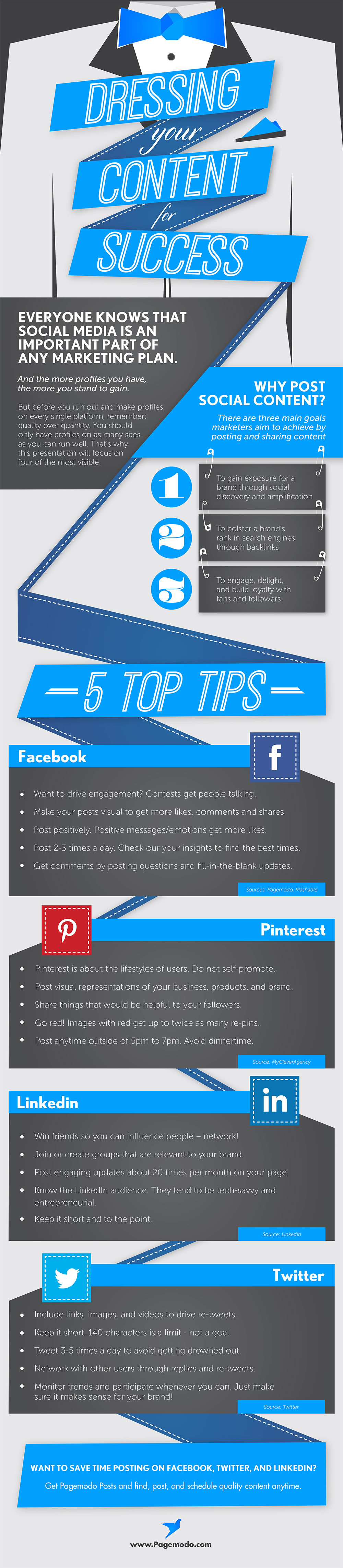
Social media content usually supports three major goals. First, it helps increase exposure by putting your content in front of more people. Second, it supports engagement by giving customers and followers a place to comment, ask questions, and respond. Third, it can drive users back to your website, where they can learn more, contact you, or become leads.
This is why social media should not be treated as a side activity. It should be part of your full digital marketing and content strategy.
Start With a Clear Content Marketing Strategy
Before posting, you need to know what you want your content to achieve. Are you trying to increase website traffic? Build brand awareness? Generate leads? Improve customer loyalty? Educate your audience? The answer will shape what you post, where you post it, and how you measure success.
This is where content marketing plays an important role. Social media should support your main content strategy. Blog posts, guides, case studies, videos, infographics, and service pages can all be repurposed into social posts.
Instead of creating something new every time, you can take one strong piece of content and turn it into several smaller posts. For example, if you publish a blog about social media engagement, you can create a Facebook question from it, a Pinterest checklist, a LinkedIn summary, and a Twitter/X tip thread.
Repurpose One Idea Across Multiple Platforms
Repurposing content saves time and gives your best ideas more opportunities to be seen. One blog post can become a short LinkedIn post, a Facebook discussion question, a Pinterest infographic, a Twitter/X thread, and even an email newsletter section.
This approach keeps your social media marketing more consistent because every post is connected to a larger goal.
Choose the Right Platforms for Your Business
Not every business needs to be active on every social media platform. The right choice depends on your audience, goals, resources, and content type. A visual brand may benefit from Pinterest and Instagram. A professional service provider may get more value from LinkedIn. A local business may use Facebook to build community and customer relationships.
If you are unsure where to focus, start by identifying where your audience already spends time. Then review whether you can create the type of content that performs well on that platform. This guide on choosing the right social media platform for your business can help you make a better decision.
Quality Comes Before Quantity
The best strategy is not to chase every platform. The best strategy is to show up consistently where your audience is most likely to engage. When your content matches the platform and the audience, it becomes easier to earn attention, clicks, comments, shares, and leads.
Facebook: Create Conversations and Engagement
Facebook is a strong platform for businesses that want to build community and encourage interaction. It works well for updates, contests, videos, customer stories, questions, and educational posts. The best Facebook content usually feels conversational rather than overly formal.
If you want to increase Facebook engagement, ask questions that are easy to answer. Use images and short videos to catch attention. Share useful tips instead of only promoting your products or services. You can also use contests, polls, and fill-in-the-blank posts to encourage comments.
Posting consistently is important, but posting too often without value can hurt performance. Use Facebook Insights to understand when your audience is active and what type of content gets the most response. These Facebook marketing tips can help you improve the way you plan and publish posts.
Keep Facebook Content Human
Facebook is also useful for building relationships with existing customers. Responding to comments, answering messages, and sharing helpful updates can make your brand feel more approachable. The more human your content feels, the more likely people are to interact with it.
Pinterest: Make Content Visual and Searchable
Pinterest works differently from many other social platforms. People often use it to search for ideas, save inspiration, and plan future actions. This makes it useful for businesses that publish visual content, tutorials, checklists, guides, product ideas, and infographics.
To succeed on Pinterest, your content should be visually clear and easy to understand. Use strong images, readable text overlays, and keyword-rich descriptions. Pinterest also works like a visual search engine, so keywords matter. Use phrases your audience may search for, such as social media tips, content marketing ideas, Facebook engagement tips, Pinterest marketing, or digital marketing strategy.
Pinterest content can also have a longer life than posts on fast-moving platforms. A useful pin can keep bringing traffic for weeks or months. These Pinterest marketing insights can help you better understand how users interact with this platform.
Avoid Over-Promotion on Pinterest
When creating Pinterest posts, avoid being too promotional. Focus on helpful ideas, practical tips, and visually attractive content. A strong pin should make users want to save it, click it, or return to it later. This makes Pinterest especially useful for evergreen content and long-term social media traffic.
LinkedIn: Build Authority and Professional Trust
LinkedIn is best for professional branding, B2B marketing, networking, and thought leadership. People on LinkedIn usually expect content that is useful, credible, and business-focused. This makes it a good platform for sharing expert insights, company updates, case studies, industry news, and educational posts.
A strong LinkedIn content strategy should focus on value. Instead of only talking about your services, explain problems your audience cares about. Share lessons, results, opinions, and helpful advice. This helps position your brand as knowledgeable and trustworthy.
LinkedIn is especially useful for businesses that sell to other businesses. If your audience includes professionals, decision-makers, or industry partners, LinkedIn should be part of your B2B social media marketing strategy.
Keep LinkedIn Content Clear and Professional
To improve LinkedIn results, keep your message clear and professional. Avoid long promotional posts that feel like advertisements. Instead, share useful insights that help your audience understand a topic or solve a problem. Over time, this can increase trust and make your brand more memorable.
Twitter/X: Keep It Short, Timely, and Useful
Twitter/X is fast-moving, which makes it useful for short updates, news, trends, conversations, and quick brand communication. Because users scroll quickly, your message needs to be clear and direct. Long explanations are usually less effective unless they are broken into short threads.
Businesses can use Twitter/X to share blog posts, industry updates, quick tips, short videos, images, and conversation starters. However, this platform should not be used only for sharing links. Engagement comes from replying, joining relevant conversations, using hashtags carefully, and sharing timely content.
A good Twitter action plan can help your brand stay active without becoming repetitive. The goal is to be useful and present, not noisy. Short posts with a clear message often perform better than posts that try to say too much at once.
Use Twitter/X for Real-Time Conversations
Twitter/X can also help brands monitor trends and understand what people are talking about in real time. When used properly, it can support brand awareness, content distribution, and customer engagement. The key is to participate naturally and avoid posting only when you want to promote something.
Connect Social Media With SEO
Social media and SEO are different, but they can support each other. Social media can help distribute your website content, bring users to your pages, and increase brand awareness. SEO helps your content appear in search results when people are looking for answers.
When you create strong content for SEO, social media gives that content more chances to be discovered. A blog post can rank in search, but it can also attract visitors through Facebook, Pinterest, LinkedIn, and Twitter/X. This gives your content more value over time.
Modern marketing also requires a wider view of visibility. People discover brands through search engines, social platforms, AI tools, videos, directories, and online communities. That is why cross-platform SEO strategies are becoming more important.
Use Keywords Naturally in Social Content
Search-friendly social content should use clear language, relevant keywords, and strong calls to action. When people understand what your post is about and why it matters, they are more likely to click, share, or save it. This can improve your content reach and help more users discover your website.
Turn Social Posts Into Website Traffic
Social media should not only create likes and comments. It should also support your website goals. Each platform can help guide users toward useful pages, blog posts, resources, or services. This is why links, calls to action, and landing pages matter.
When sharing a blog post, give users a reason to click. Do not only paste the link. Add a short takeaway, question, or benefit. For example, instead of saying “Read our new blog,” explain what the reader will learn. This makes the post more helpful and increases the chance of traffic.
Learning how social posts can increase internet traffic can help businesses connect engagement with measurable results.
Give Every Social Post a Purpose
To improve results, every social media post should have a purpose. Some posts may build awareness. Some may encourage comments. Some may drive users to a blog or service page. When you understand the goal of each post, your social media content strategy becomes more focused and effective.
Make Your Content Easy to Repurpose
One of the easiest ways to stay consistent on social media is to repurpose content. Repurposing means taking one main idea and turning it into several different formats. This helps you save time and reach different types of users.
For example, one blog post can become a short LinkedIn post, a Facebook discussion question, a Pinterest infographic, a Twitter/X thread, and an email newsletter section. You can also turn statistics into graphics, tips into carousels, and longer articles into short social captions.
Match the Format to the Audience
This approach works because people consume content in different ways. Some prefer quick tips. Others like visual summaries. Some want detailed blog posts. By repurposing content, you give your audience more ways to engage with your message without creating everything from scratch.
Final Thoughts
Dressing your content for success means presenting your message in the best format for each social media platform. Facebook content should encourage conversation. Pinterest content should be visual and searchable. LinkedIn content should build professional trust. Twitter/X content should be short, timely, and engaging.
A strong social media content strategy does not depend on posting everywhere all the time. It depends on understanding your audience, choosing the right platforms, and creating content that provides real value. When your posts are useful, consistent, and well adapted to each platform, they can support brand awareness, website traffic, customer engagement, and search visibility.
Instead of focusing only on how often you post, focus on how well your content serves your audience. When your message is clear, your visuals are strong, and your platform strategy is planned properly, social media becomes more than a posting task. It becomes a powerful part of your overall digital marketing success.
Source: www.pagemodo.com
About The Author